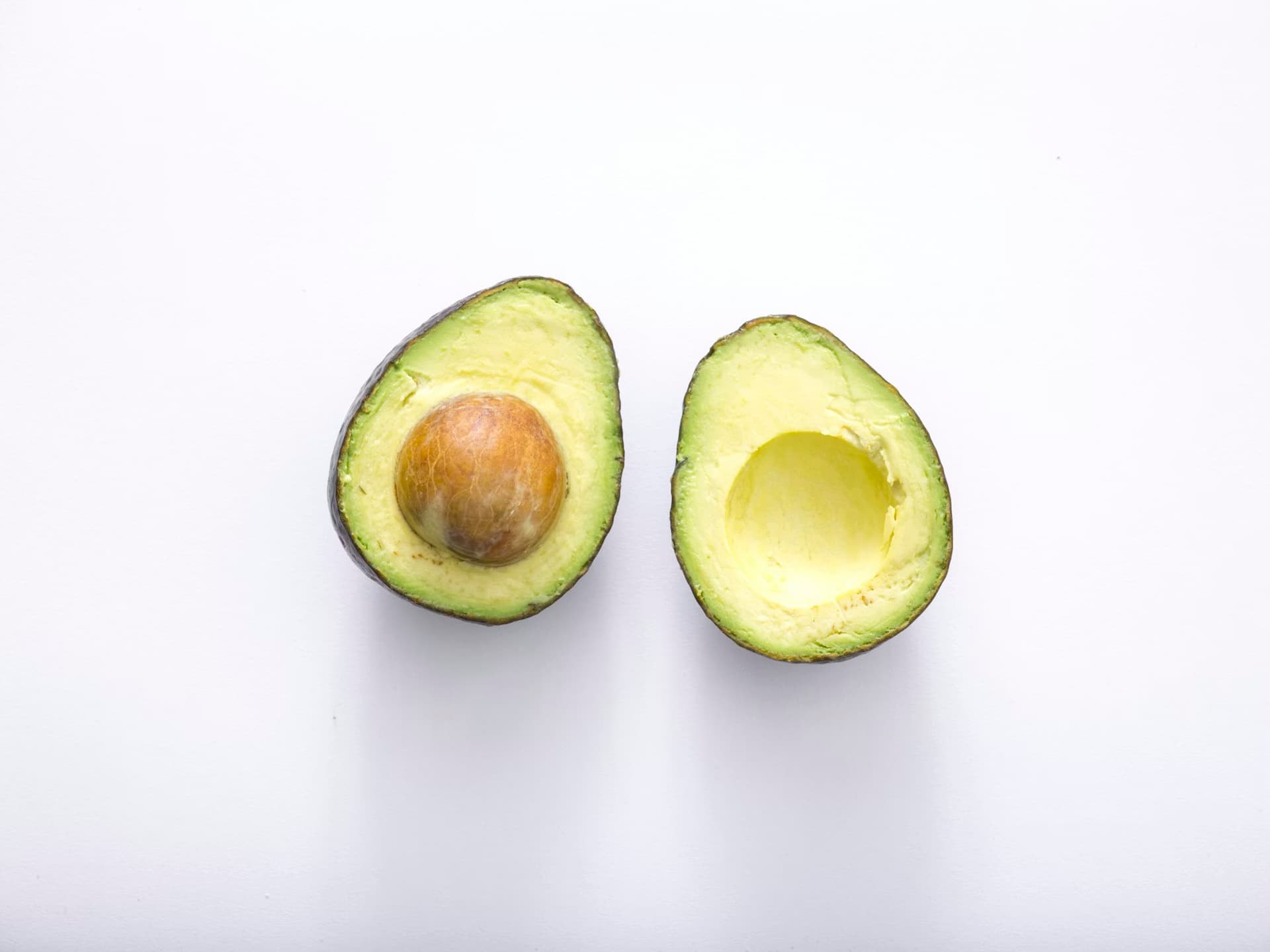
Often called "butter fruit" or "alligator pear," the avocado (Persea americana) is one of the most nutritionally complete fruits in the natural world. Native to the Americas and cultivated for over 7,000 years, this creamy superfood is now celebrated globally — not just for its rich, satisfying flavour, but for its remarkable range of health, culinary, and cosmetic benefits.
Scientific Classification & Origin
- Scientific name: Persea americana
- Family: Lauraceae (the laurel family, which includes bay laurel and cinnamon)
- Origin: Southern Mexico and Colombia, with cultivation dating back approximately 7,000–10,000 years
- Main producing regions: Mexico (world's largest producer), Colombia, Peru, Chile, and the Dominican Republic
Nutritional Profile (Per 100g)
Avocados are exceptionally nutrient-dense, delivering high levels of healthy fats alongside a broad spectrum of essential vitamins and minerals.
| Nutrient | Amount |
|---|---|
| Calories | 160–234 kcal |
| Total Fat | 14.7–21.5 g (mostly monounsaturated oleic acid) |
| Dietary Fibre | 6.7–9.8 g |
| Sugar | < 1 g |
| Potassium | 485–708 mg (higher than bananas) |
| Vitamin K | ~21 mcg (20% Daily Value) |
| Vitamin E | ~2 mg (10–14% Daily Value) |
| Vitamin C | ~10–15 mg (10–16% Daily Value) |
| Folate (B9) | High — especially important in pregnancy |
Key Health Benefits
Heart Health
The monounsaturated fats and beta-sitosterol in avocado help maintain healthy cholesterol levels — raising HDL ("good") cholesterol while reducing LDL ("bad") cholesterol. Regular consumption supports cardiovascular health naturally.
Enhances Nutrient Absorption
Avocados are one of nature's most powerful nutrient amplifiers. They help the body absorb fat-soluble vitamins (A, D, E, and K) and antioxidants like carotenoids from other plant foods — making them an ideal companion to salads and vegetables.
Weight Management
Despite being calorie-dense, the combination of high fibre and healthy fats delivers long-lasting satiety — reducing hunger between meals and supporting a balanced appetite.
Eye Health
Rich in lutein and zeaxanthin, two phytochemicals that accumulate in the retina, avocados provide natural antioxidant protection — helping to reduce the risk of macular degeneration and cataracts with age.
Digestive Health
With 6–10g of fibre per 100g, avocados support regular bowel movements, feed beneficial gut bacteria, and maintain a healthy digestive tract.
Pregnancy Support
Avocados are one of the richest dietary sources of folate (Vitamin B9) — essential for healthy fetal neural development and reducing the risk of birth defects.
Culinary Uses
Avocados are among the most versatile fruits in any kitchen:
- Raw: Sliced on toast, in salads, or eaten directly from the skin with a pinch of salt
- Guacamole: The most iconic preparation — mashed with lime, coriander, and chilli
- Smoothies: Blended for a creamy, nutrient-dense base
- As a fat substitute: Mashed avocado replaces butter in baking for a healthier alternative
- In dips, sandwiches, and dressings: Adds richness without processed ingredients
Consumption note: Avocados are energy-dense. One whole avocado contributes significantly to daily caloric intake — enjoy them in moderation as part of a balanced, varied diet.
Avocado Oil: Culinary, Skincare & Beyond
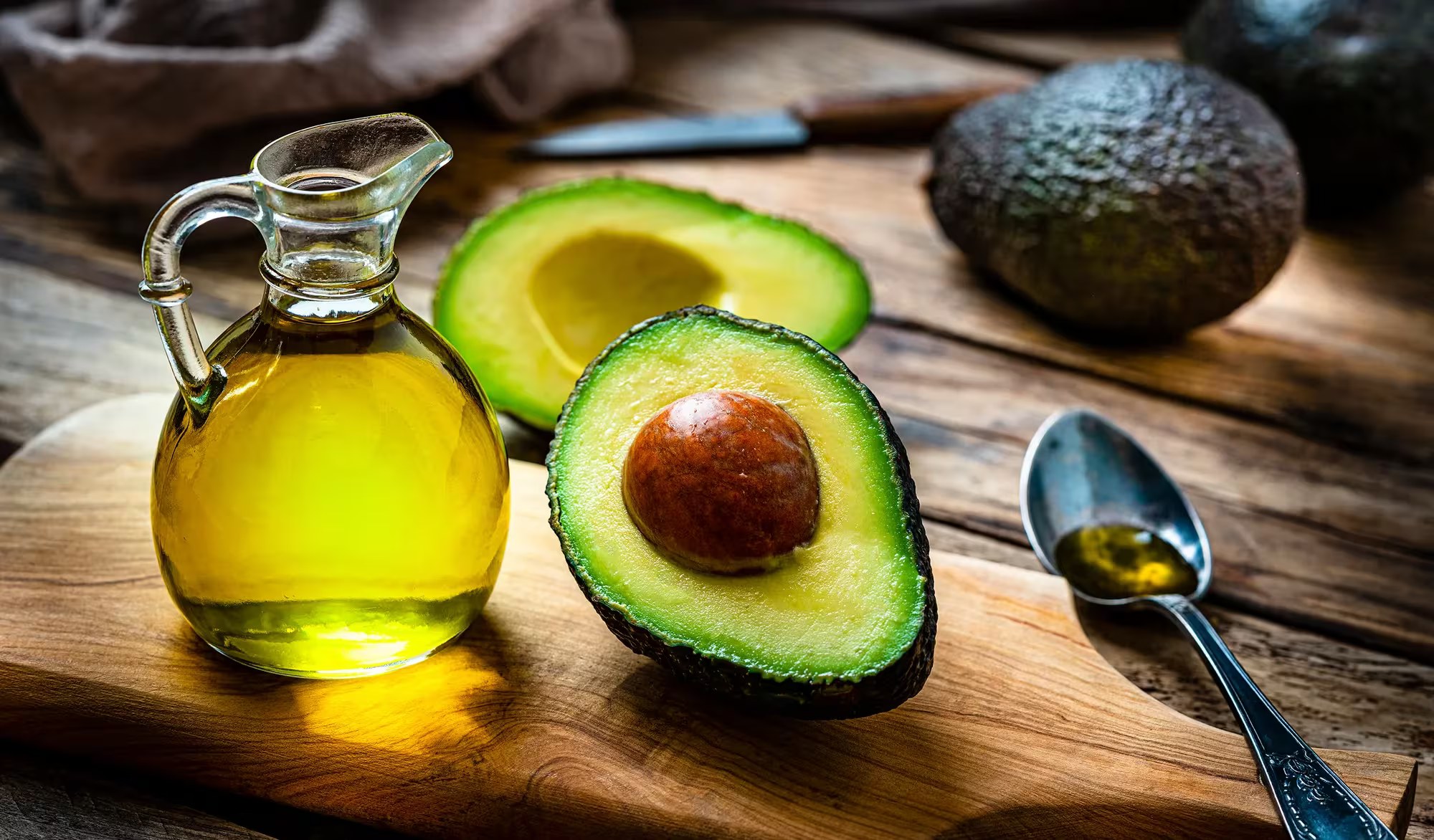
Avocado oil is extracted from the flesh (not the seed) of the avocado fruit. It is one of the most versatile and nutritionally stable oils available — valued equally in the kitchen and the bathroom cabinet.
Culinary Uses
High-heat cooking: Refined avocado oil has one of the highest smoke points of any cooking oil — up to 520°F (271°C) — making it ideal for searing, grilling, stir-frying, and deep-frying without breaking down into harmful compounds.
Finishing and raw use: Unrefined or extra-virgin avocado oil has a rich, buttery, slightly nutty flavour — perfect for salad dressings, marinades, and drizzling over roasted vegetables or pasta.
Baking: Its neutral flavour (when refined) makes it an excellent healthy substitute for butter or vegetable oils in cakes and muffins.
Nutrient amplifier: Consuming avocado oil alongside vegetables significantly increases the absorption of fat-soluble vitamins A, D, E, and K.
Skincare Uses
Rich in vitamins A, D, and E, along with lecithin and omega-9 fatty acids, avocado oil is a staple in natural skincare:
- Deep moisturisation: Penetrates the skin deeply to hydrate dry patches, soften cuticles, and improve elasticity
- Healing and soothing: May help soothe inflammatory skin conditions like mild eczema, psoriasis, and sunburn, and may support wound healing by promoting collagen synthesis (not a substitute for prescribed treatment for these conditions)
- Anti-aging: High antioxidant content combats free radicals, helping to reduce fine lines and dark under-eye circles
- Carrier oil: Commonly used to dilute essential oils for massage and therapeutic applications
Haircare Uses
- Scalp health: Massaged into the scalp to reduce dandruff, soothe itchiness, and unclog hair follicles
- Deep conditioning: Used as a leave-in conditioner or hot oil treatment to tame frizz, add shine, and prevent breakage by sealing the hair cuticle
Oil Comparison: Smoke Points of Unrefined & Cold-Pressed Oils
When choosing an oil for cooking, the smoke point — the temperature at which it begins to break down and smoke — is a key consideration.
| Oil | Smoke Point (°C) | Best Use |
|---|---|---|
| Extra Virgin Avocado | 190–250°C | Roasting, sautéing, versatile everyday use |
| Virgin Olive | 171–216°C | Medium-heat cooking, everyday use |
| Extra Virgin Olive | 163–210°C | Salad dressings, finishing, low-medium heat |
| Unrefined Sesame | 177°C | Finishing oil, light stir-fries |
| Virgin Coconut | 177°C | Baking, medium-heat sautéing |
| Unrefined Peanut | 160–177°C | Low-heat cooking, flavouring |
| Unrefined Sunflower | 107–160°C | Cold dressings only |
| Cold-Pressed Flaxseed | 107°C | Raw use only — smoothies, dressings |
Key terms explained:
- Cold-pressed: Extracted by mechanical pressing at low temperatures (under ~49°C) to preserve flavour and nutrients
- Virgin / Extra Virgin: Mechanically extracted without chemicals; "extra virgin" indicates the highest grade with lowest acidity and most robust flavour
- Unrefined: Not bleached, deodorised, or chemically treated — retains original plant scent and nutrients
A Fruit Worth Knowing
From its extraordinary fat profile and fibre content to its oil's remarkable versatility across cooking, skincare, and haircare, avocado earns its place as one of nature's most complete foods. Whether eaten fresh, blended, or applied externally, every part of this fruit delivers real, meaningful benefit.
The avocado is one of the rare foods where indulgence and nourishment are the same thing.
This article is for general educational purposes only and is not a substitute for professional medical advice, diagnosis or treatment. If you have an existing medical condition, are on medication, or are pregnant or breastfeeding, please consult your healthcare provider before making significant changes to your diet.
Related Reading
If you enjoyed this, you may also like:
- Flax Seeds: Benefits, Nutrition & Daily Dosage
- The Power of Our Roasted Seed Mix
- Fatty Liver Disease: A Satwik & Holistic Guide
- Microgreens: A Satwik Superfood
- Coconut: Benefits, Uses, Ayurveda & How Much to Eat Daily
- Passion Fruit: The Superfruit of Wellness — Nutrition, Botany & Antioxidant Power
- Papaya Benefits: Nutrition, Digestion & the Ayurvedic View