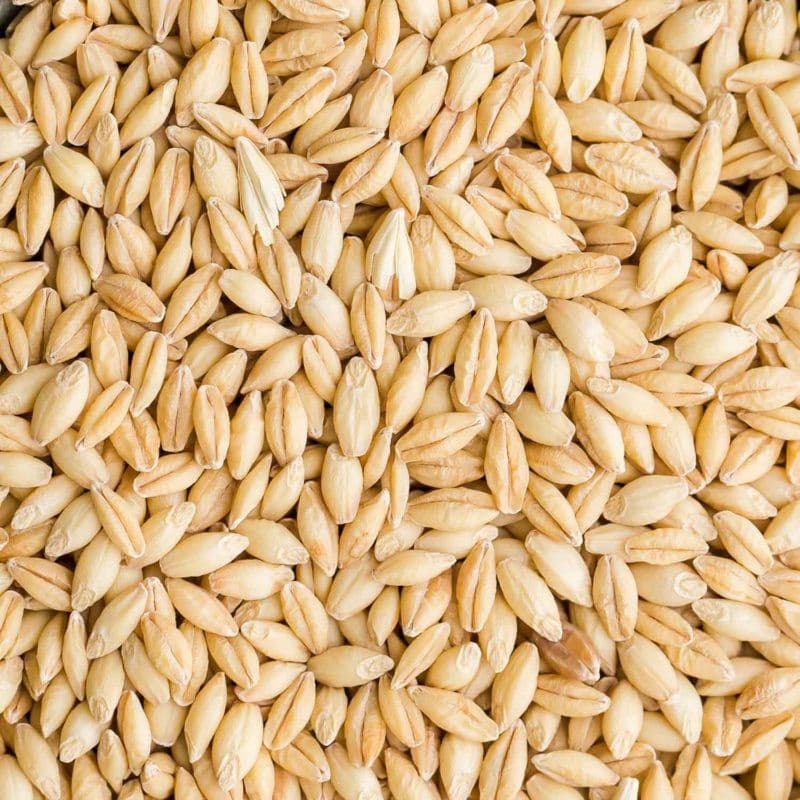
Scientific name: Hordeum vulgare — a cereal grain belonging to the Poaceae (grass) family. It has been cultivated for thousands of years and is one of the world's oldest grains still in regular use.
Common Names of Barley in Indian Languages
Barley goes by different names across India — many derived from its Sanskrit root Yava.
| Language/Region | Name(s) |
|---|---|
| Sanskrit | यव (Yava), अक्षत, कुंचकिन |
| Hindi | जौ (Jau), जव, जो |
| Marathi | जव (Jav), सेत (Satu), चेवड (Cevad) |
| Gujarati | जौ (Jau), जव (Jav), चेनो (Cheno) |
| Bengali | जबा (Jaba), जौ (Jau), जव (Jav) |
| Punjabi | जावो (Javo), जावा (Jawa), नाई |
| Tamil | बार्ली अरिसी (Barli arisi / Barliyarishi) |
| Telugu | यव धान्य (Yava dhanya), बार्लीबियम (Barlibiyam), धान्यभेदम (Dhanyabhedam), पच्चयव (Pachchayava) |
| Kannada | जवेगोधि (Javegodhi) |
| Malayalam | जावेगम्बु (Javegambu) |
Nutritional Profile (Overview)
Barley is rich in:
- Dietary fiber (including soluble fiber like beta-glucan)
- Protein
- B vitamins
- Minerals – magnesium, iron, phosphorus, potassium
- Antioxidants and phytonutrients
These nutrients support overall health and help key metabolic functions.
Why Barley Is Considered a Supportive Grain (Especially for Diabetics)
Barley is a supportive lifestyle food — not a substitute for prescribed diabetes treatment. If you are on glucose-lowering medication, please continue your medication and consult your doctor or dietitian before making barley a regular staple.
1. Low Glycemic Index (GI)
The glycemic index (GI) measures how quickly a food raises blood glucose after eating. Foods with a lower GI are digested and absorbed more slowly, which may help support more stable blood sugar levels — a key consideration in diabetes care.
Barley GI values:
- Barley flour (as sattu): ~25
- Barley chapatti: ~37
These are considered low GI (values <55).
A low GI means slower glucose release into the bloodstream, which may help reduce post-meal blood glucose spikes.
2. Soluble Fiber (Beta-Glucans) Supports Blood Sugar Balance
Barley's beta-glucan fiber slows digestion, which may:
- Reduce the speed of carbohydrate absorption
- Help maintain steadier blood glucose levels
- Improve insulin sensitivity
This makes barley a useful supportive grain in diabetic diets, alongside (not instead of) prescribed treatment.
3. Helps With Weight Management
The high fiber content makes you feel fuller for longer, which can:
- Reduce calorie intake
- Improve weight control
Since excess weight is a risk factor for type 2 diabetes, barley can indirectly support diabetes management.
4. Heart Health and Cholesterol Control
Fiber and bioactive compounds in barley may help lower LDL cholesterol, supporting cardiovascular health — a major concern in people with diabetes.
5. Other General Benefits
Research and traditional sources also highlight:
- Improved digestion and gut health
- Blood pressure regulation
- Hydration and detox support (e.g., barley water)
Barley water — made by boiling barley in water — is commonly used in traditional diets to support hydration and overall metabolism.
Why Barley Is Sometimes Called a "Superfood"
The term "superfood" isn't a scientific classification but refers to a nutrient-dense food with broad health benefits. Barley earns this label because:
- It provides multiple essential nutrients (fiber, vitamins, minerals)
- It offers metabolic benefits — especially for blood sugar control
- It supports heart health
- It helps with weight management
All these qualities make it more than just a basic carbohydrate source, aligning with "superfood" concepts in nutrition.
How Barley Is Used in Diets
Common uses in Indian diets include:
- Barley water (drinking the cooked water)
- Barley sattu (roasted flour) – used in beverages, porridges, parathas
- Barley dalia / khichdi – a wholesome breakfast or meal
- Barley roti / chapatti – as a bread alternative
These preparations retain a lot of fiber and nutrients, benefiting blood sugar control when consumed regularly.
Summary (Key Points)
- Hordeum vulgare (barley) is an ancient, nutrient-rich grain
- It has low GI values — beneficial for managing blood glucose
- Rich in soluble fiber (beta-glucans) that slows sugar absorption
- Helps improve insulin response, satiety, cholesterol levels, and weight control
- Widely used across India with diverse local names
At Satwik Farms, we believe in the power of traditional, nutrient-dense foods like barley to support your health and well-being.
Precautions
- Diabetes medication: Because barley may help lower blood sugar, those on glucose-lowering medication should monitor their levels and consult their doctor before making it a daily staple, to avoid hypoglycaemia
- Gluten: Barley contains gluten — those with coeliac disease or non-coeliac gluten sensitivity should avoid it
- Pregnancy & breastfeeding: Culinary amounts are generally considered safe; consult your healthcare provider before consuming large therapeutic quantities (such as concentrated barley water as a daily remedy)
- Children: Generally safe in normal food amounts as part of a balanced diet
This article is for general educational purposes only and is not a substitute for professional medical advice, diagnosis or treatment. If you have diabetes, an existing medical condition, are on medication, or are pregnant or breastfeeding, please consult your healthcare provider or a registered dietitian before making significant changes to your diet.
Related Reading
Continue exploring blood-sugar-friendly foods and education:
- Understanding Glycemic Index: A Guide to Better Blood Sugar Management
- Millet Master: Our Diabetic-Friendly Multigrain Atta
- Bitter Gourd Powder: Benefits for Blood Sugar, Detox & Immunity
- Dried Jamun Pulp: An Ancient Superfood for Blood Sugar Control
- Guava Leaf Tea: An Ancient Healing Brew
- Jackfruit Health Benefits: Diabetes, Weight, Heart & Gut Health