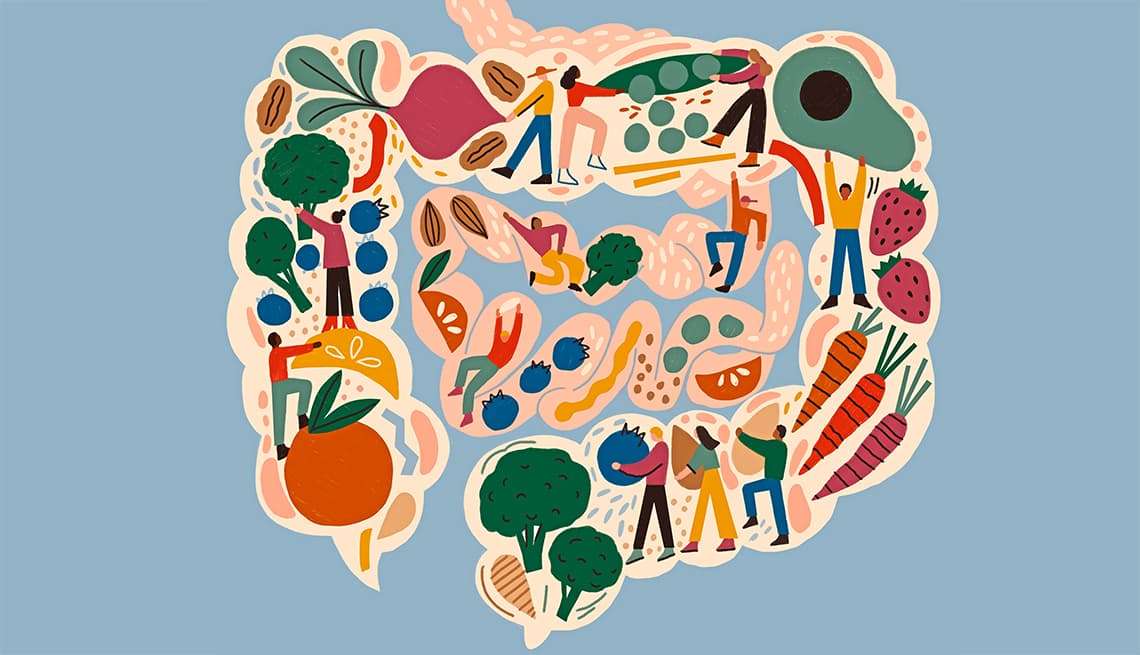
The gut has moved from being an overlooked organ to one of the most talked-about systems in modern health. Traditional medicine systems like Ayurveda have long placed gut health at the centre of overall wellbeing — and modern science is now providing the mechanistic evidence that aligns remarkably with these ancient observations.
This guide explores the gut through both traditional and contemporary lenses: why it's called the "second brain," how to keep it healthy, what a weak gut looks like, Ayurvedic approaches, Indian gut-friendly foods, and a deep dive into Kanchi — the traditional fermented drink, its varieties, and how to make it at home.
The Gut in Ayurveda
Ayurveda places digestion — agni (digestive fire) — at the very centre of health. Agni governs not just gastrointestinal function, but the metabolic and cellular transformation of food into energy, tissues, and waste.
When agni is balanced: digestion, immunity, mental clarity, and vitality are maintained. When agni is disturbed: ama (undigested toxins) accumulates — which Ayurveda holds as the root of most disease.
Key Ayurvedic principles:
- Agni: Strong digestive fire = good digestion, clear mind, strong immunity
- Ama: Sticky toxic residue from poor digestion that blocks body channels (Srotas)
- Doshas: Vata, Pitta, and Kapha — imbalances directly affect digestion (excess Vata causes irregular digestion; excess Kapha causes sluggishness)
- Dinacharya: A structured daily routine to maintain digestive balance
Ayurvedic gut-support strategies:
- Favour warm, freshly cooked meals; avoid cold or raw foods when digestion is weak
- Use digestive spices: ginger, hing, cumin, coriander, fennel, black pepper, turmeric
- Avoid incompatible food combinations (viruddha ahara), overeating, and late-night meals
- Include fermented foods in moderation — idli, dhokla, kanchi — to support digestion
Why the Gut is Called the "Second Brain"
Modern science has transformed our understanding of the gut entirely.
The gastrointestinal tract hosts trillions of microbes — bacteria, viruses, fungi, and archaea — collectively called the gut microbiota. These microbes substantially influence digestion, nutrient metabolism, immune function, and remarkably, neural signalling.
The Enteric Nervous System (ENS): The gut contains a complex network of around 100 million neurons — the ENS — that governs digestion and can operate independently of the brain. It produces neurotransmitters including serotonin and GABA, communicating bidirectionally with the brain via the vagus nerve.
About 90% of the body's serotonin is produced in the gut — influencing not just digestion, but mood, behaviour, and cognition.
The Gut-Brain Axis: A dynamic communication system linking the central and enteric nervous systems via neural, hormonal, and immune pathways. Microbiota modulate this axis continuously — which is why anxiety, depression, and brain fog so frequently accompany digestive disturbances.
Key Scientific Findings
- Microbiome diversity correlates with resilience, stable metabolism, and lower disease risk
- Dysbiosis (disrupted microbiota) is linked to obesity, type 2 diabetes, IBD, IBS, allergies, and autoimmune conditions
- Short-chain fatty acids (SCFAs) — produced when gut bacteria ferment dietary fibre — maintain colonic health, regulate inflammation, and influence systemic metabolism
- Fermented foods consistently show associations with increased microbial diversity and reduced inflammation markers
- Probiotics (strain-specific) show benefit for antibiotic-associated diarrhoea, some IBS symptoms, and infectious diarrhoea
Symptoms of a Weak Gut
Recognising early signs of gut imbalance is the first step toward restoring it:
- Persistent bloating, gas, or abdominal discomfort
- Irregular bowel movements — chronic constipation, diarrhoea, or alternating patterns
- Reflux, heartburn, or indigestion
- Food intolerances or sensitivities
- Unexplained fatigue, brain fog, or poor concentration
- Recurrent infections or low immunity
- Skin issues — eczema, acne, or chronic rashes
- Mood changes — anxiety, irritability, low energy
- Unintended weight change
These symptoms merit proper evaluation, as underlying causes range from functional (IBS) to inflammatory (IBD) to systemic disease.
How to Keep the Gut Healthy — Integrating Traditional & Modern Wisdom
Diet
- Eat whole, minimally processed foods rich in fibre — vegetables, fruits, legumes, whole grains
- Favour diverse plant-based foods to support microbiome diversity
- Include fermented foods daily: curd (dahi), idli/dosa, kanchi/kanji, traditional pickles, buttermilk
- Use digestive spices: ginger, cumin, coriander, fennel, turmeric, black pepper
- Limit refined sugars, ultra-processed foods, and excessive alcohol
- Maintain regular meal timing; avoid late-night heavy meals
Lifestyle
- Stay active — exercise promotes gut motility and microbiota diversity
- Prioritise sleep — circadian disruption directly affects gut microbiota composition
- Manage stress — chronic stress alters gut motility, barrier function, and microbiota; yoga, pranayama, and meditation all help
- Stay hydrated — warm water supports digestion and bowel regularity
Targeted Support
- Prebiotics: Dietary fibres (inulin, resistant starch) feed beneficial microbes
- Probiotics: Use strain-specific probiotics for targeted needs
- Antibiotic stewardship: Avoid unnecessary antibiotics; support gut microbiome if antibiotics are unavoidable
Indian Foods That Naturally Support Gut Health
Traditional Indian cuisine is genuinely rich in gut-friendly foods — many of them already part of everyday cooking:
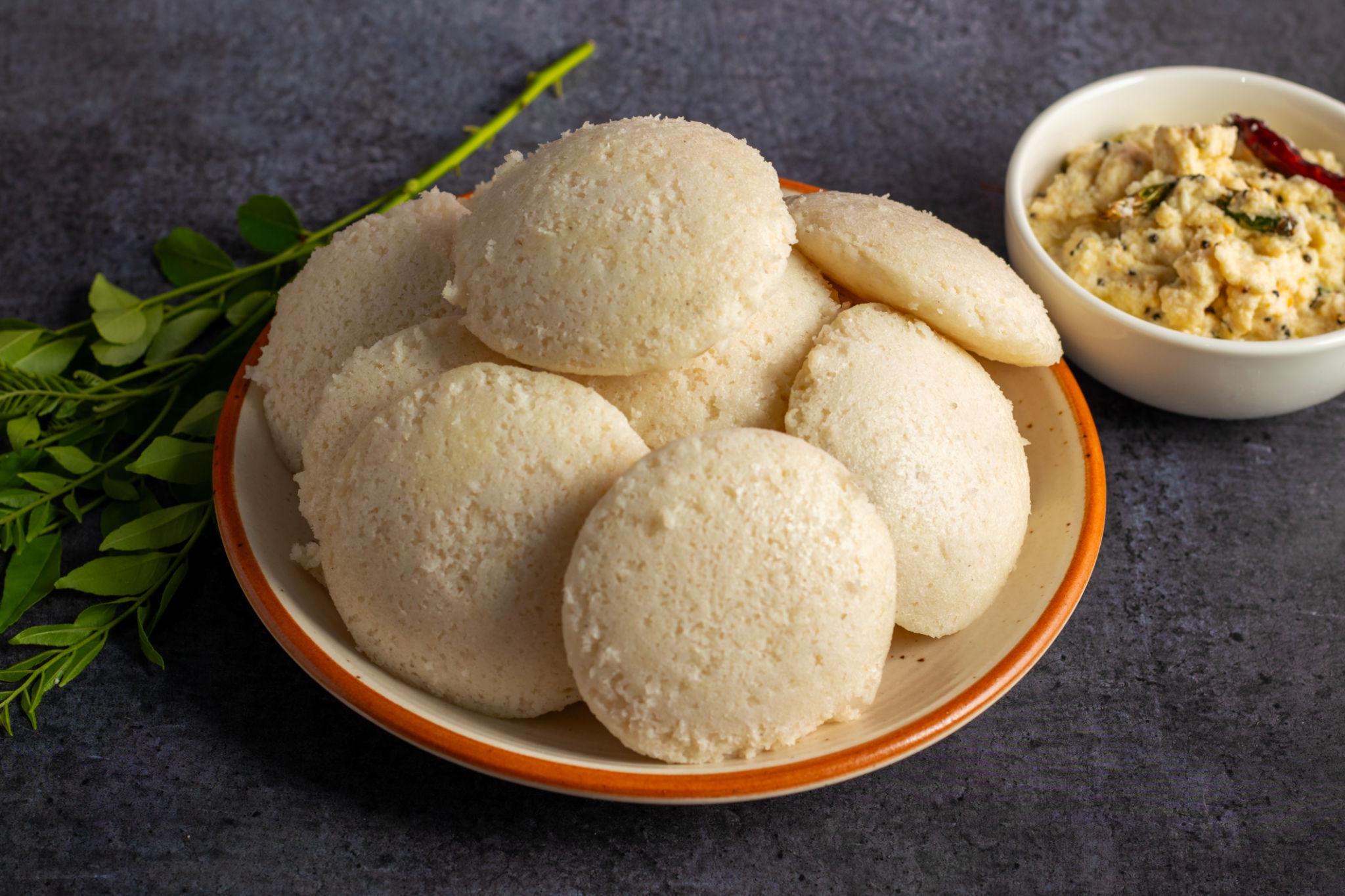
| Category | Examples |
|---|---|
| Fermented staples | Idli, dosa, dhokla, kanji, traditional pickles, dahi, chaas |
| Fibre-rich legumes | Moong dal, masoor dal, chana dal |
| Whole grains & millets | Ragi, bajra, jowar, brown rice |
| Digestive spices | Ginger, turmeric, cumin, fennel, ajwain, hing |
| Prebiotic foods | Onions, garlic, bananas, whole pulses |
| Soothing broths | Rasam, clear vegetable soups |
Kanchi: The Traditional Probiotic Drink

Kanchi (also called kanji across regions) refers to traditional fermented gruels and drinks made from grains or vegetables. The name and recipe vary by region — carrot kanji is popular in North India; fermented rice gruels are common in the South. All share the same principle: natural lactic acid fermentation that produces live probiotics, organic acids, and increased nutrient bioavailability.
Why it works (scientifically):
- Fermentation produces Lactobacillus, Leuconostoc, and Pediococcus species
- Generates lactic acid, B vitamins, and reduces antinutrients (phytic acid)
- Supports gut microbiota, bowel regularity, and reduced bloating
- Associated with decreased inflammation markers and increased microbial diversity with regular consumption
How to Make Kanchi at Home
A. Rice Kanchi (Fermented Rice Water)
Ingredients: 1 cup cooked rice, 3–4 cups cooled boiled water, salt (optional)
- Place cooked rice in a clean jar. Add cooled boiled water (3–4 times rice volume). Stir gently.
- Cover loosely and leave at room temperature (20–30°C) for 12–24 hours until mildly sour.
- Strain the liquid. Refrigerate and use within 2–3 days.
Best for: Rehydration, soothing the stomach, gentle probiotic support.
B. Black Carrot / Carrot Kanji (North Indian Style)
Ingredients: 1 kg black or red carrots (grated/julienned), 2–3 litres water, 40–60g salt
- Dissolve salt in water. Place grated carrots in a sterilised glass jar or earthen pot.
- Pour salted water over carrots, ensuring they are fully submerged.
- Cover with a cloth and leave at room temperature for 3–5 days, stirring daily.
- When pleasantly sour, strain and bottle. Refrigerate.
Best for: Antioxidants (anthocyanins in black carrots), winter gut tonic, lactic acid bacteria.
C. Millet / Ragi Kanchi
Ingredients: 1 cup ragi (finger millet) flour, 5–6 cups water, salt to taste
- Boil water and whisk in millet flour to make a thin porridge. Cool completely.
- Add salt and pour into a jar. Ferment at room temperature for 12–48 hours until sour.
- Dilute with water, strain if needed, and refrigerate.
Best for: Nutrient density, improved digestibility, gentle on digestion.
D. Vegetable Kanji
Carrots, beetroot, or cauliflower florets fermented in salted water (approx 2% salt by weight) for 3–5 days produce a tangy, colourful probiotic drink with a spectrum of micronutrients.
Safety Tips for Home Fermentation
- Use clean, sterilised glass jars or earthen pots — avoid reactive metals
- A mildly sour, pleasant smell means it's working. Foul odours, sliminess, or visible mould = discard
- Refrigerate after fermentation reaches desired sourness
- Start with 50–100 ml daily if you're new to fermented foods — transient gas is normal as the gut adjusts
- Those who are immunocompromised, pregnant, or dealing with severe illness should consult a clinician before consuming unpasteurised fermented foods
7-Day Gut Reset Starter Plan
| Days | Focus |
|---|---|
| Day 1–3 | Warm, easily digestible meals (khichdi, lentil soup), ginger tea, small servings of rice kanchi after meals |
| Day 4–7 | Introduce fermented foods — 1 serving of idli/dosa or kanchi daily, add millets and cooked vegetables, continue digestive spices |
| Ongoing | Regular sleep, gentle daily exercise, stress reduction, weekly rotation of different fermented drinks |
A Resilient Gut is the Foundation of a Healthy Life
Gut health sits at the intersection of ancient practice and cutting-edge science. Ayurveda's emphasis on agni, mindful eating, and fermented foods finds its echo in modern discoveries about the microbiome, SCFAs, and the gut-brain axis.
Kanchi — a simple, affordable, homemade fermented drink — is one of the most accessible ways to begin rebuilding gut health. Combined with a diverse, fibre-rich diet, digestive spices, and a balanced lifestyle, it offers a time-tested path to a stronger gut and a clearer, calmer mind.
"Rogo sarve api mande agnou" — All diseases begin with weak digestive fire. — Ashtanga Hridayam
This article is for general educational purposes only and is not a substitute for professional medical advice, diagnosis or treatment. Persistent digestive symptoms — chronic bloating, blood in stool, unexplained weight loss, severe abdominal pain, or sudden changes in bowel habits — warrant proper medical evaluation. If you have an existing medical condition (especially IBD, IBS, immune compromise), are on medication, or are pregnant or breastfeeding, please consult your healthcare provider before significantly changing your diet or starting fermented foods.
Related Reading
Continue exploring gut and digestive wellness:
- Triphala: An Ayurvedic Guide to the Nectar of Life
- Constipation: Natural Relief Through Ayurveda & Naturopathy
- Chana & Moong Sprouts: Nutrition, Ayurvedic Benefits & How to Eat Them Daily
- Satwik Yoghurt (Dahi): A Gut-Healing Superfood
- Flax Seeds: Benefits, Nutrition & Daily Dosage
- Ash Gourd: The Yogic Superfood & Ayurvedic Powerhouse
- Walking for Health: Benefits, Best Time & the Ayurvedic View
- Passion Fruit Health Benefits: Digestion, Gut Health & More
- Sweet Lemon Pickle in Jaggery Syrup: A Traditional Digestive Companion