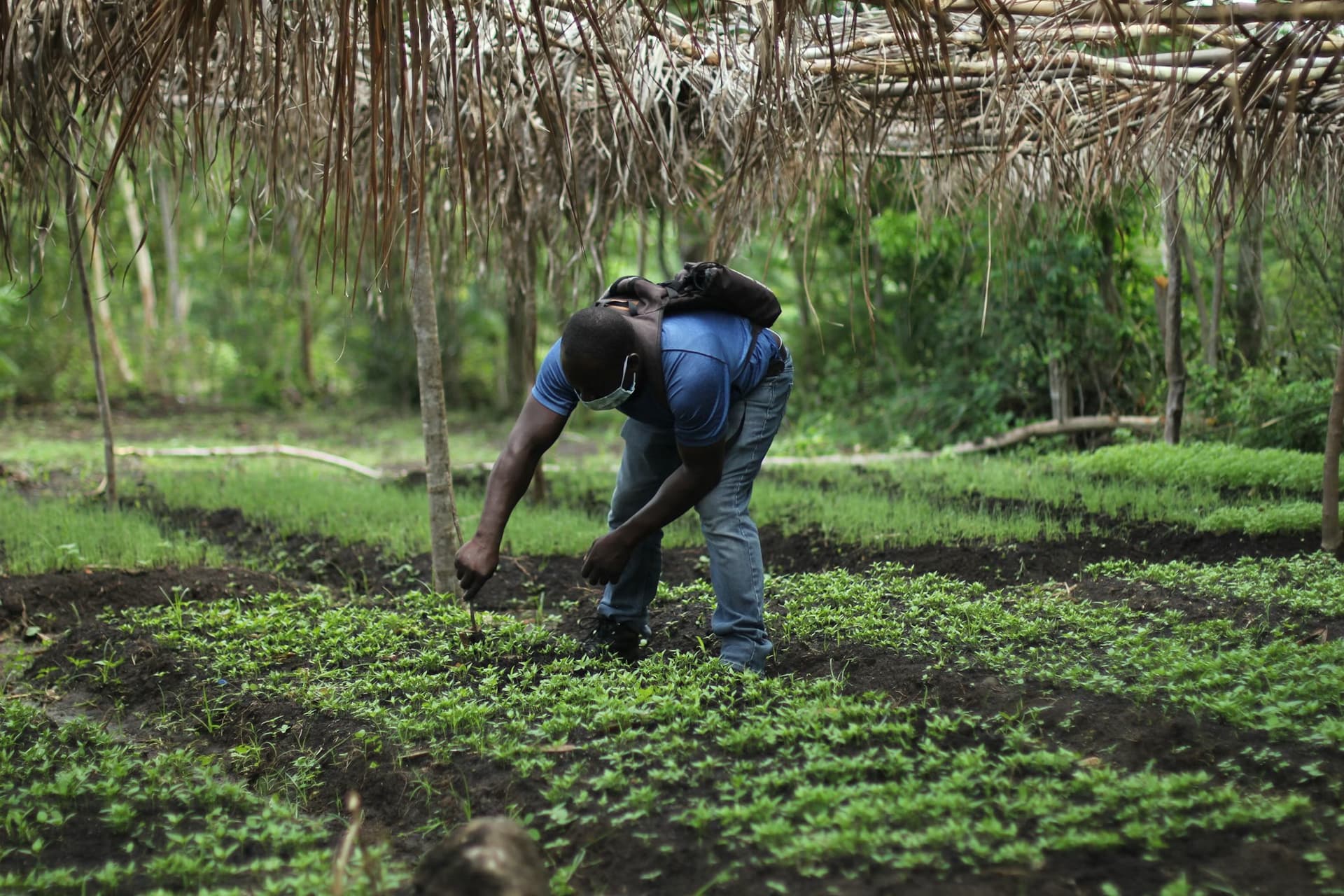
Satwik farming (also spelled Satavic or Sattvic) is not simply a set of techniques — it is a holistic ecological philosophy rooted in traditional Indian agriculture and natural farming systems. The word Satwik means pure, balanced, and life-supporting, emphasising harmony between soil, plants, animals, and humans.
At its heart, Satwik farming means:
- Working with nature, not against it
- Eliminating all chemical inputs
- Building self-sustaining farm ecosystems
- Drawing on local knowledge and resources
This approach aligns closely with organic and natural farming principles — where farm inputs are generated internally, and the waste from one process becomes the resource for another.
1. Organic Manure — The Foundation of Soil Health
Organic manure is the backbone of Satwik farming, replacing synthetic fertilisers with living, biologically active inputs.
Types used:
- Farmyard manure (FYM) — cow dung, urine, and bedding composted together
- Compost — decomposed plant and kitchen waste
- Green manure — crops like sunhemp ploughed back into the soil while still green
- Vermicompost — worm-processed organic matter, exceptionally rich in available nutrients
Why it matters: Unlike chemical fertilisers that release nutrients all at once and deplete the soil over time, organic manure releases nutrients slowly and sustainably — improving soil organic carbon, enhancing microbial life, and restoring long-term fertility.
2. Biofertilisers — Harnessing the Power of Microbes
Biofertilisers are living microorganisms that improve the availability of nutrients to plants naturally.
| Type | Function |
|---|---|
| Rhizobium | Nitrogen fixation in legume root nodules |
| Azotobacter / Azospirillum | Free-living nitrogen fixers in soil |
| PSB (Phosphate Solubilising Bacteria) | Make locked phosphorus available to plants |
By inoculating crops and soils with these organisms, Satwik farming reduces dependency on external inputs while enhancing root growth, nutrient uptake, and long-term soil fertility.
3. Biopesticides — Natural Pest Control in Balance
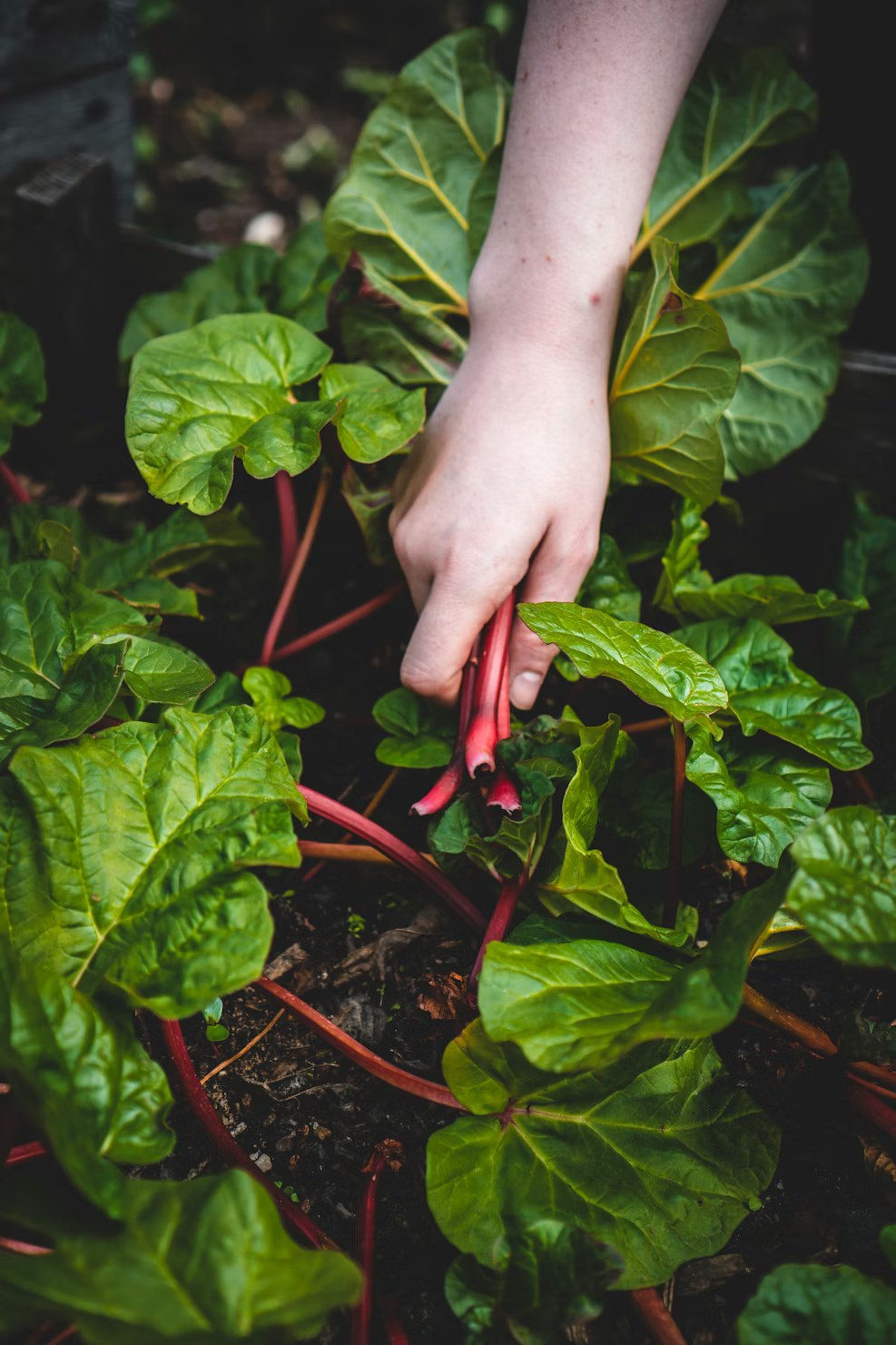
Satwik farming avoids synthetic pesticides entirely, instead using biological and botanical solutions that control — rather than eliminate — pest populations.
Examples:
- Neem-based leaf extracts and oil sprays
- Chili-garlic formulations
- Cow urine preparations (Gomutra)
- Beneficial insects — ladybugs, parasitoid wasps, ground beetles
The principle is ecological balance — maintaining natural predator-prey relationships rather than disrupting them with broad-spectrum chemicals that harm beneficial insects, soil organisms, and downstream ecosystems.
4. Jivamrit — The Microbial Catalyst
Jivamrit (also called Jeevamrutha) is one of the most distinctive and powerful practices in natural farming systems — a fermented microbial culture used as a liquid biofertiliser.
Ingredients:
- Fresh cow dung (local/indigenous breed preferred)
- Cow urine (Gomutra)
- Jaggery — carbon source for microbial growth
- Pulse flour — nitrogen source
- A handful of local forest or farm soil — native microbial inoculant
- Water
Preparation:
- Mix cow dung and urine in water
- Add jaggery and pulse flour
- Add local soil
- Ferment for 3–5 days, stirring daily
- Apply to soil or crops as a diluted spray
Jivamrit acts as a powerful microbial inoculant — multiplying beneficial soil bacteria and fungi, enhancing nutrient cycling, and restoring biological activity to depleted soils. It is considered one of the central pillars of Zero Budget Natural Farming (ZBNF).
5. Kitchen Waste & Farm Residues — Zero-Waste Agriculture
Satwik farming operates on the principle that waste is a resource. Nothing leaves the farm without being transformed into something useful.
Practices:
- Composting kitchen and crop waste
- Mulching with straw, leaves, and plant matter to retain moisture and suppress weeds
- Recycling crop residues back into the soil rather than burning them
This creates closed internal nutrient cycles — reducing the need for any external input, lowering costs, and continuously improving soil organic matter.
6. The Role of Microbes in Satwik Farming
Microorganisms are not just beneficial in Satwik farming — they are central to the entire system.
Key groups:
- Bacteria — nitrogen fixers, decomposers, pathogen suppressors
- Mycorrhizal fungi — extend root reach, improve nutrient and water uptake
- Actinomycetes — decompose tough organic matter, produce natural antibiotics
Jivamrit, compost, and biofertilisers all work by dramatically boosting microbial populations — transforming dead or degraded soil into a living, self-regulating ecosystem.
7. Soil Structure & Health Improvement
Consistent Satwik practices physically transform the soil over time:
- Formation of stable soil aggregates
- Increased porosity and aeration
- Better water retention and drainage
- Rising earthworm populations — nature's best soil engineers
Healthy Satwik soil becomes loose and crumbly, rich in organic carbon, and naturally resistant to erosion and compaction.
8. Crop Diversity & Biodiversity
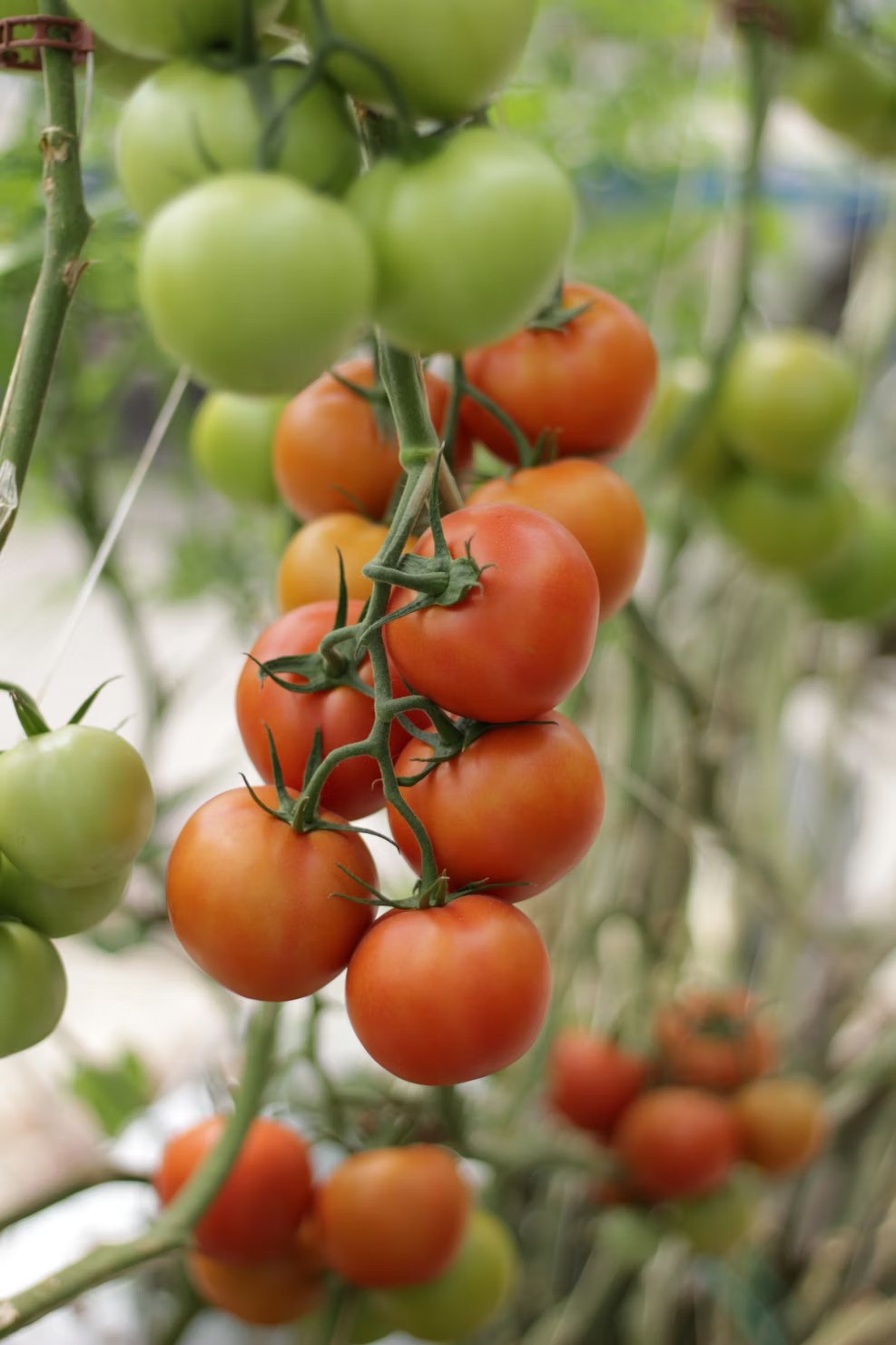
Satwik farming actively resists monoculture in favour of diverse, integrated growing systems.
Practices:
- Intercropping — multiple crops grown together, naturally suppressing pests and maximising land use
- Crop rotation — breaking pest and disease cycles while restoring soil nutrients
- Agroforestry — integrating trees with crops and livestock
- Livestock integration — animals contribute manure, graze cover crops, and maintain ecological balance
Traditional agricultural systems consistently demonstrate that biodiversity reduces risk, improves resilience, and supports the long-term sustainability of the farming enterprise.
9. Sustainability & Self-Reliance
Satwik farming builds closed-loop systems — where the farm generates most of what it needs internally.
| Dimension | How Satwik Farming Delivers |
|---|---|
| Economic sustainability | Low input costs, reduced external dependency |
| Environmental sustainability | No chemical pollution, soil restoration |
| Social sustainability | Community-based knowledge, farmer empowerment |
The long-term goal is a farm that is largely self-sufficient — producing its own fertility, managing its own pests, and perpetuating its own seed and biodiversity.
10. Local Resources & Indigenous Knowledge
Perhaps the most defining characteristic of Satwik farming is its rootedness in place. There is no fixed, universally prescribed package of practices — methods are adapted to local conditions, ecosystems, and seasons.
This means:
- Local seeds and indigenous crop varieties
- Native cattle breeds suited to local conditions
- Traditional practices refined over generations
- Continuous farmer observation and innovation
This is the opposite of industrial agriculture's one-size-fits-all approach — and it is precisely what makes Satwik farming resilient.
The Overall Impact of Satwik Farming
| Outcome | Impact |
|---|---|
| Chemical-free food | Safe for consumers, farmers, and ecosystems |
| Restored soil fertility | Long-term productivity without degradation |
| Increased biodiversity | Healthier ecosystems, natural pest balance |
| Climate resilience | Better water retention, carbon sequestration |
| Reduced environmental pollution | No runoff of harmful chemicals into waterways |
From Extraction to Regeneration
Satwik farming transforms agriculture from an extractive activity — one that takes from the land until it is depleted — into a regenerative system, where the farm becomes a living ecosystem rather than a production unit.
It represents a shift from chemical dependency to ecological harmony, and from short-term yields to long-term abundance.
At Satwik Farms, this is not theory — it is the daily practice behind everything we grow.
"The Earth does not belong to us. We belong to the Earth — and it is our responsibility to return more than we take."
Related Reading
Continue exploring the Satwik approach: