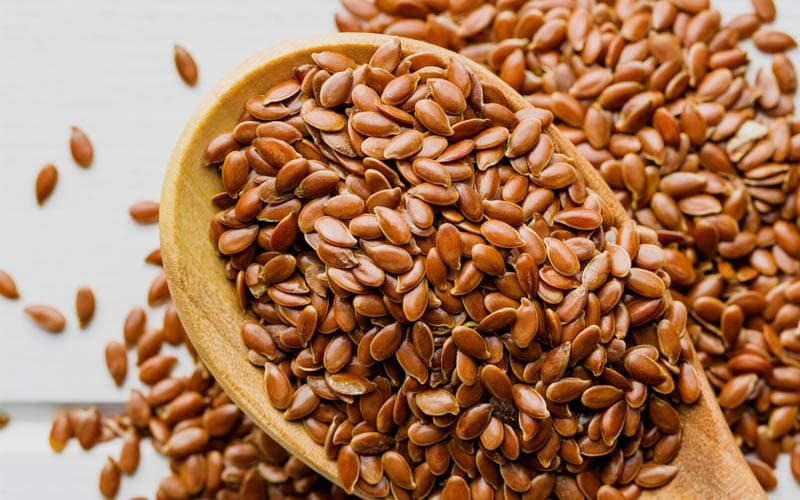
Flax seeds may be small, but they carry a remarkable nutritional punch. Known for centuries as both a food and a healing agent, these seeds are now widely recognised as a modern superfood. Whether you are aiming to improve digestion, heart health, or overall wellness, flax seeds deserve a spot in your daily diet.
Botanical Classification
Flax seeds come from the flax plant, scientifically known as Linum usitatissimum (also commonly called linseed). The species name usitatissimum means "most useful" — a fitting title given the plant's wide range of applications, from food and oil to textiles (linen).
| Rank | Classification |
|---|---|
| Kingdom | Plantae |
| Clade | Angiosperms |
| Clade | Eudicots |
| Clade | Rosids |
| Order | Malpighiales |
| Family | Linaceae |
| Genus | Linum |
| Species | Linum usitatissimum |
Flax is one of the oldest fibre crops in the world and was cultivated in ancient Egypt and China — valued both as a food and as the raw material for linen cloth.
Nutritional Profile & Key Compounds
Flax seeds are rich in:
- Omega-3 fatty acids (ALA) – support heart and brain health
- Dietary fibre – improves digestion and gut health
- Lignans – plant compounds with antioxidant and oestrogen-like properties
- Protein – helpful for muscle repair and satiety
- Vitamins & minerals – including magnesium, phosphorus, calcium and B vitamins
Nutrition per 100g of Flax Seeds
| Nutrient | Amount | % Daily Value |
|---|---|---|
| Protein | 18 g | 36% |
| Fat (mostly healthy omega-3) | 42 g | 64% |
| Potassium | 813 mg | 23% |
| Magnesium | — | 98% |
| Calcium | — | 25% |
| Sodium | 30 mg | 1% |
A Standout Omega-3 Source
What makes flax especially remarkable is the sheer density of omega-3 (ALA) it carries. Per 100g, flax delivers around 22.81g of omega-3 ALA against just 5.91g of omega-6 — the highest absolute omega-3 content of any commonly consumed seed.
| Seed (per 100g) | Omega-3 | Omega-6 | Ratio |
|---|---|---|---|
| Flax | 22.81 g | 5.91 g | 1 : 0.3 |
| Chia | 17.83 g | 5.84 g | 1 : 0.3 |
| Hemp | 9.30 g | 29.00 g | 1 : 3 |
| Sesame | 0.38 g | 21.38 g | 1 : 57 |
| Pumpkin | 0.03 g | 19.36 g | 1 : 176 |
| Sunflower | 0.003 g | 23.05 g | 1 : 823 |
In a modern diet that is heavily skewed toward omega-6 (from refined oils and processed foods), adding a daily spoonful of flax is one of the simplest ways to restore balance.
Health Benefits of Flax Seeds
1. Supports Heart Health
Flax seeds may help reduce LDL cholesterol levels and modestly lower blood pressure, thanks to their high omega-3 (ALA) content and soluble fibre.
2. Improves Digestion
The high fibre content helps:
- Prevent constipation
- Promote healthy gut bacteria
- Improve bowel regularity
- May ease symptoms of IBS (irritable bowel syndrome) in some people — though responses vary, so introduce slowly and monitor
3. Aids in Weight Management
Flax seeds increase fullness and reduce appetite, making it easier to control calorie intake without feeling deprived.
4. Boosts Brain Function
Omega-3 fatty acids contribute to cognitive health and may reduce chronic inflammation linked to memory decline.
5. Hormonal Balance
Lignans — found in higher concentration in flax than almost any other food — help regulate hormones. They are especially beneficial for women during peri-menopause and menopause.
6. Antioxidant Protection
Flax seeds may reduce the risk of chronic diseases by neutralising free radicals and lowering oxidative stress in the body.
7. Blood Sugar Control
The soluble fibre in flax slows the absorption of sugar from the gut — helping to flatten post-meal blood sugar spikes.
8. May Help Reduce Cancer Risk
Flax is one of the richest known dietary sources of lignans — plant compounds that have been studied for their role in reducing the risk of certain hormone-sensitive cancers, particularly breast and prostate. Research is ongoing, but the evidence so far is encouraging.
How to Use Flax Seeds
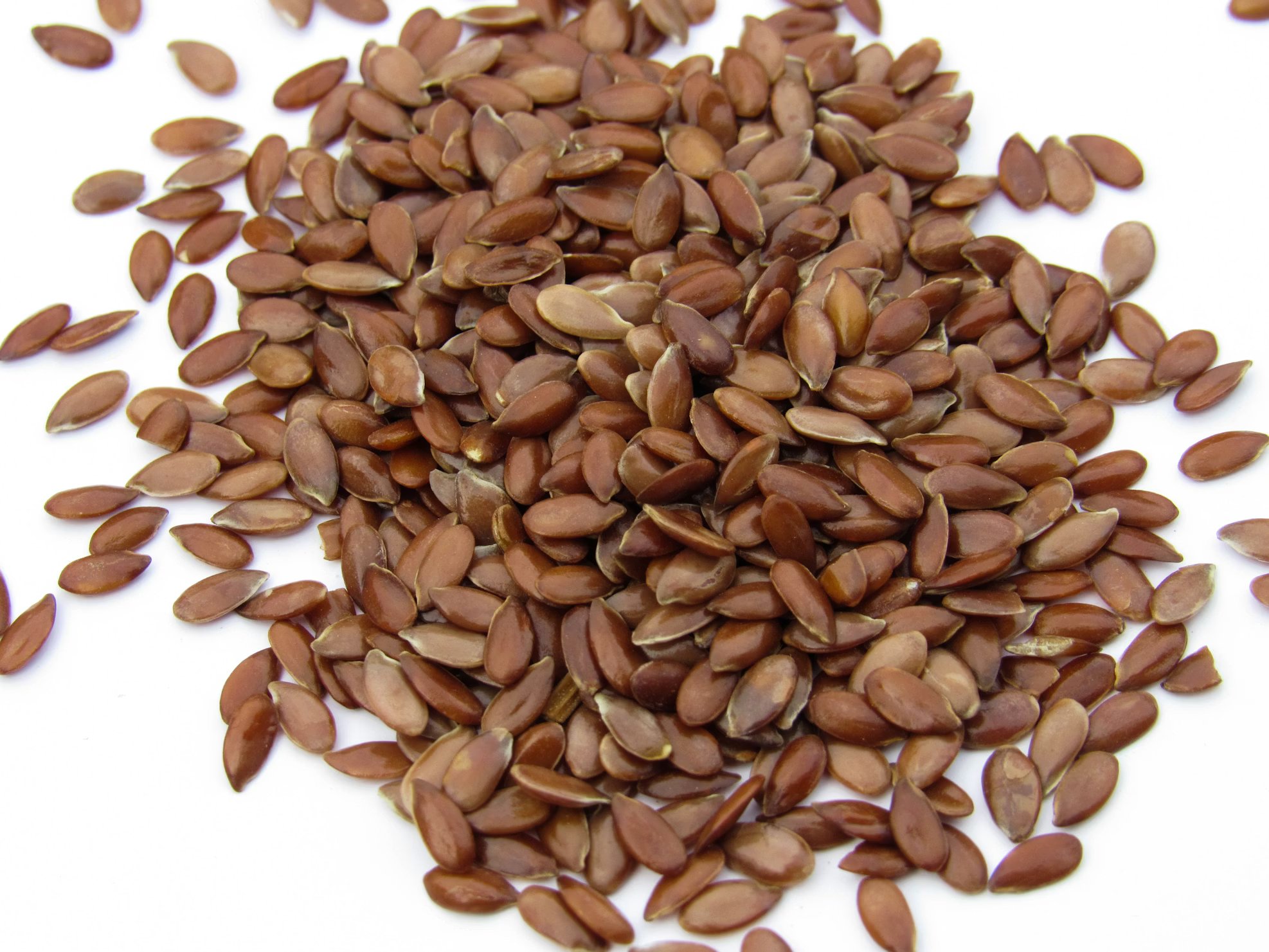
The single most important rule: grind your flax seeds before eating them. Whole flax seeds often pass through the digestive tract intact, meaning you miss out on most of their benefits. Grinding releases the omega-3 oils, lignans, and fibre your body can actually absorb.
Best Ways to Consume
- Ground flax (recommended) — easier to digest and absorb nutrients
- Add 1–2 tablespoons per day to:
- Smoothies
- Oatmeal or porridge
- Yoghurt or curd
- Salads
- Baked goods (bread, muffins, ladoos)
Flaxseed Water
A simple Ayurvedic-style ritual:
- Soak 1 tablespoon of flax seeds in a glass of water overnight
- Drink first thing in the morning on an empty stomach
This gentle gel-like drink supports digestion, hydration and bowel regularity.
When to Use Flax Seeds
- Morning — Best for digestion and metabolism
- Before meals — Helps reduce appetite
- Post-meal — Supports blood sugar control
Consistency matters more than timing — daily intake is the key.
Recommended Dosage
- Adults: 1–2 tablespoons of ground flax per day
- Start small — begin with 1 teaspoon and increase gradually over a week or two
- Always consume with plenty of water — flax is highly absorbent and needs fluid to move smoothly through the gut
Precautions & Side Effects
While flax seeds are generally safe, keep the following in mind:
Avoid Excess Intake
Too much flax — especially when introduced suddenly — may cause:
- Bloating
- Gas
- Loose stools
Medication Interactions
- May interact with blood thinners (because of omega-3 content)
- May enhance the effect of diabetes medications — monitor blood sugar carefully if you are on glucose-lowering drugs
- Because of its lignan (phyto-oestrogen) content, those on hormonal therapies (HRT, tamoxifen, oral contraceptives) should consult their doctor before regular use
- Can affect the absorption of certain medications — take flax at least 1–2 hours apart from prescription drugs
Pregnancy & Breastfeeding
Because of its phyto-oestrogenic activity, therapeutic doses of flax are generally not recommended during pregnancy. Small culinary amounts are usually considered fine, but please consult your healthcare provider before regular use during pregnancy or breastfeeding.
Children
For children, much smaller amounts (½–1 teaspoon of ground flax) are sufficient and safer. Consult a paediatrician before making it a regular part of a child's diet.
Allergies
Flax allergy is uncommon but real. Stop use immediately if you notice itching, swelling, breathing difficulty or any other allergic reaction.
Raw vs Roasted
Raw flax seeds contain trace amounts of natural cyanogenic compounds. Heat (light roasting or cooking) inactivates these compounds; grinding alone does not. That said, the standard daily serving of 1–2 tablespoons is well within established safety limits — but for those consuming larger amounts, lightly roasted or cooked flax is the safer choice.
Storage Tips
- Store whole seeds in a cool, dry place — they keep well for months
- Store ground flax in the refrigerator to prevent the omega-3 oils from going rancid
- Use ground flax within a few weeks for maximum freshness — or grind small batches as needed
Final Thoughts
Flax seeds truly live up to their name as one of the most "useful" plants on earth. With their rich nutritional profile and wide-ranging health benefits, they are an easy and affordable addition to a healthy lifestyle.
The formula is simple: use them regularly, in ground form, and in moderation. A single tablespoon a day, stirred into your morning yoghurt or smoothie, is one of the smallest habits that delivers some of the biggest long-term returns.
Tiny seed, mighty impact — flax is proof that the best superfoods are often the simplest.
This article is for general educational purposes only and is not a substitute for professional medical advice, diagnosis or treatment. If you have an existing medical condition, are on medication, or are pregnant or breastfeeding, please consult your healthcare provider before making significant changes to your diet.
Related Reading
If you enjoyed this, you may also like:
- The Power of Our Roasted Seed Mix
- Chia Seeds: Benefits, Nutrition & How to Use Them Safely
- Satwik Paustik Ladoo: A Wholesome Energy Snack
- Gut Health: Where Ayurveda Meets Modern Science
- Multigrain Diabetic Atta: A Low-GI Flour Blend
- Fatty Liver Disease: A Satwik Holistic Guide
- Isabgol (Psyllium Husk): Nature's Miracle Fiber — What It Is & How It Works