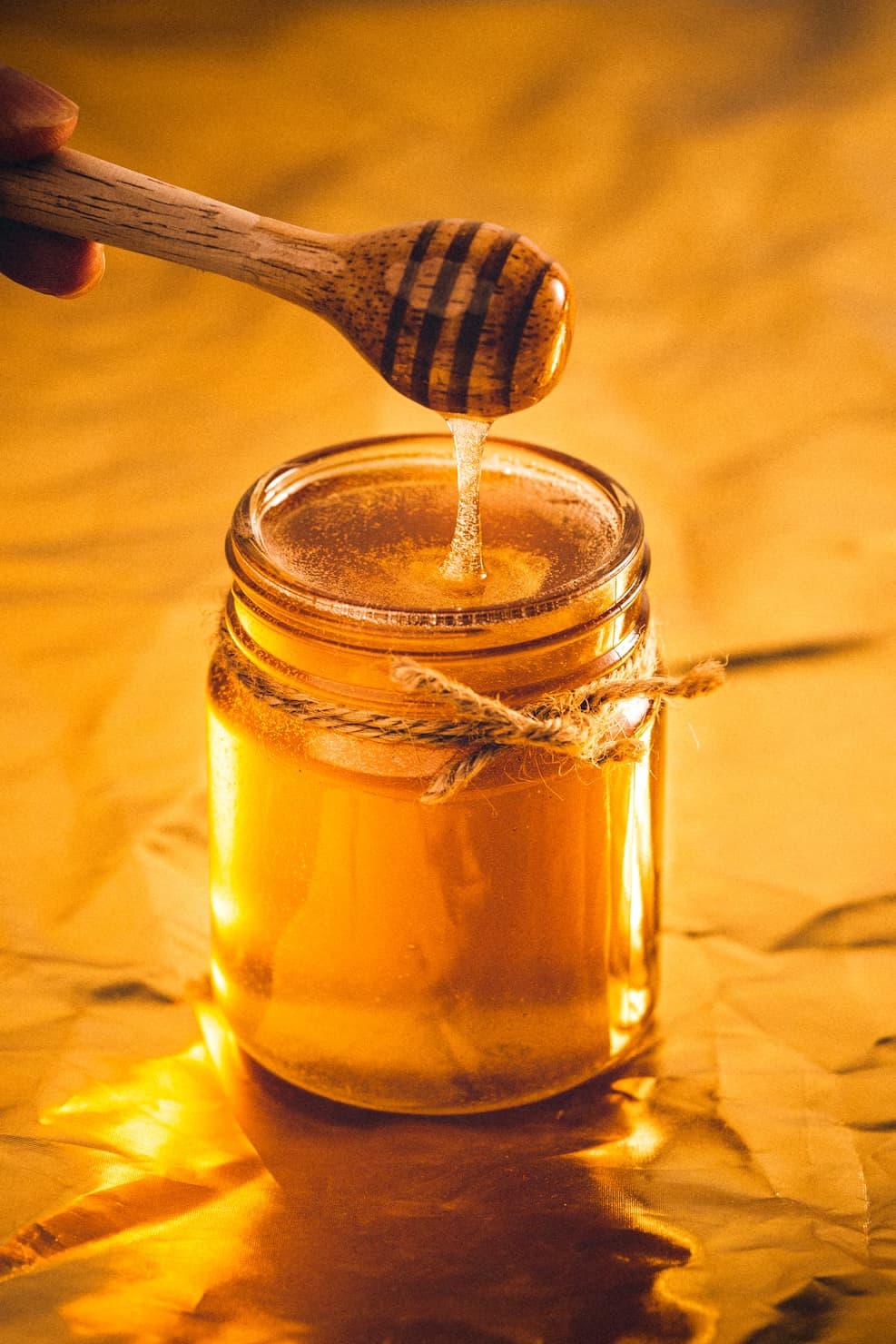
Important safety note: Raw honey is not safe for infants under 12 months due to the risk of infant botulism. Never give honey — raw or processed — to babies under one year of age.
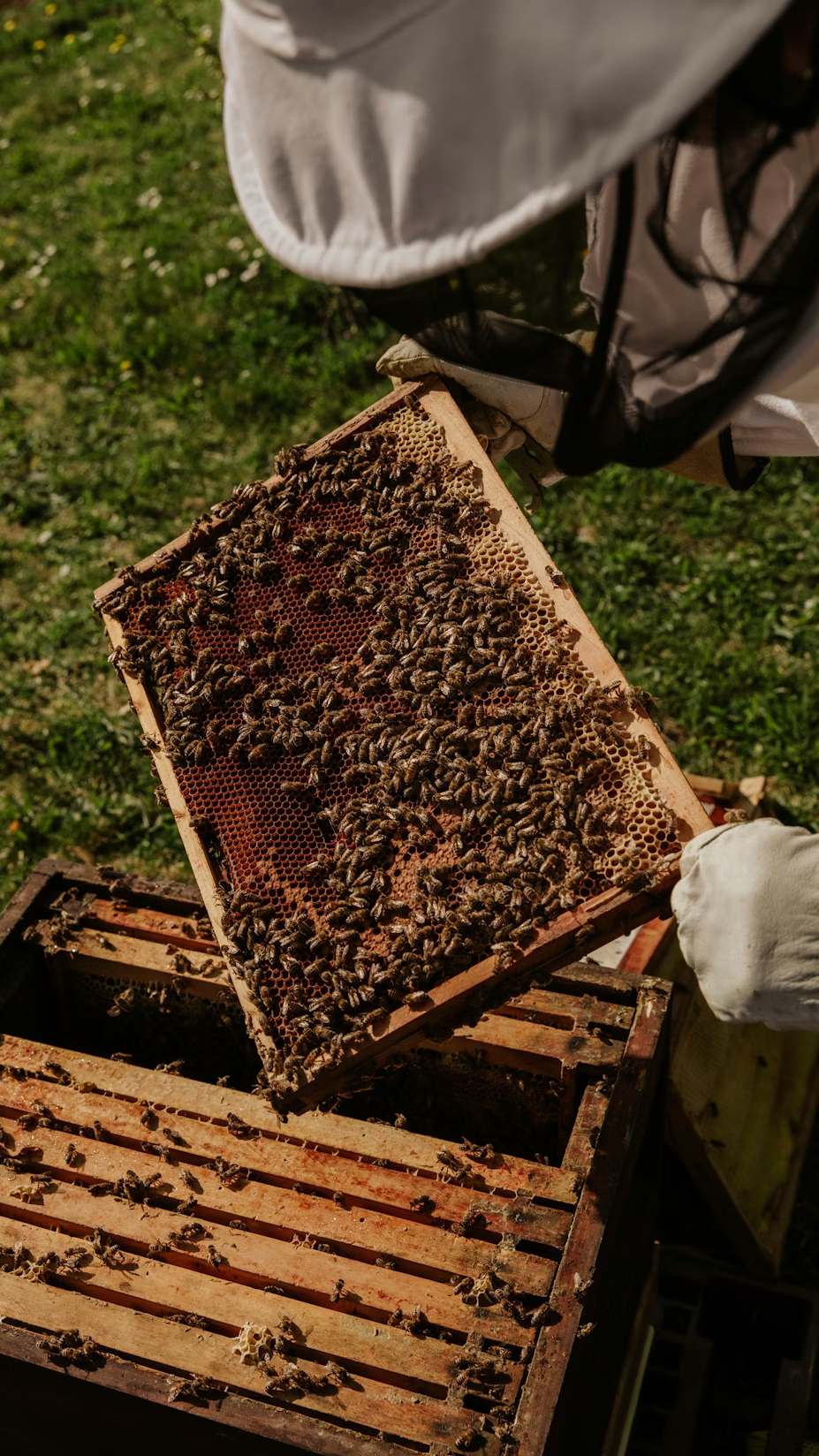
Deep in the Miombo woodlands of Kisarawe, Tanzania, wild bees forage across indigenous trees — gathering nectar from species untouched by pesticides or industrial pollution. The result is a raw, multi-floral forest honey unlike anything found on a supermarket shelf.
Our raw forest honey from Satwik Farms is a true living food — unheated, unfiltered, and harvested with care from hives nestled within one of East Africa's most biodiverse ecosystems.
Raw Honey vs. Processed Honey: What's the Difference?
Most commercial honey undergoes high-temperature pasteurisation and ultra-filtration to make it look uniform and extend shelf life. This process destroys much of what makes honey valuable in the first place.
| Feature | Raw Forest Honey | Processed / Commercial Honey |
|---|---|---|
| Processing | Strained to remove wax only, unheated | Heated (pasteurised) and ultra-filtered |
| Nutrients | Full enzymes, antioxidants, and pollen | Enzymes destroyed, pollen often removed |
| Texture | Thick, opaque, crystallises naturally | Smooth, liquid, resists crystallisation |
| Flavour | Complex, intense, floral | Mild, uniform, one-dimensional |
| Antioxidants | Up to 4.3× more than processed versions | Significantly reduced |
The Crystallisation Myth
If your honey never solidifies, it has very likely been over-processed. Crystallisation is a hallmark of pure, raw honey — it does not mean the honey has expired. It is, in fact, proof of its authenticity. Gently warming the jar in warm (not boiling) water will return it to a liquid state.
Why Raw Forest Honey from Kisarawe?
Unique Local Biodiversity
Our bees forage across Brachystegia, Combretum, and other indigenous Miombo woodland trees — plants completely free from pesticides and industrial agriculture. This creates a complex, dark, aromatic honey with a flavour profile impossible to replicate in commercial apiaries.
Maximum Nutritional Value
Because our honey is never pasteurised, it retains:
- Active enzymes — including glucose oxidase, which provides natural antibacterial power
- Local pollen — which may help build tolerance to seasonal environmental allergens
- Polyphenols and flavonoids — potent antioxidants that fight cellular damage and inflammation
- Natural prebiotics — feeding beneficial gut bacteria and supporting digestive health
Supports the Forest & Local Communities
Beekeeping in Kisarawe acts as a forest guardian. By giving local communities a sustainable income that depends on healthy trees, honey harvesting creates a direct incentive to protect — not clear — the forest. Wild bees also pollinate over 90% of wild plants in the region, sustaining the biodiversity of the entire ecosystem.
Key Health Benefits
Immune & Respiratory Support
Raw honey's natural antimicrobial properties make it a centuries-old remedy for sore throats, coughs, and seasonal illness. Its antibacterial activity is driven by the enzyme glucose oxidase, which produces small amounts of hydrogen peroxide — a natural disinfectant.
Natural Wound Healer
Used topically for thousands of years, raw honey creates a moist, antibacterial environment that supports tissue regeneration in minor burns, cuts, and skin irritations.
Digestive Aid
As a natural prebiotic, raw honey feeds beneficial gut bacteria — particularly Bifidobacterium — improving overall digestive balance and gut microbiome health.
Stable Energy Without the Crash
The unique balance of glucose and fructose in raw honey provides a sustained energy release — without the sharp spike and crash associated with refined sugar or processed sweeteners.
Skin Care
Used as a natural face mask, raw honey offers deep moisturisation and antibacterial action — particularly beneficial for acne-prone or sensitive skin.
The Ayurvedic Perspective: Honey as Madhu
In Ayurveda, honey — known as Madhu — is revered as a divine nectar with medicinal properties that go far beyond sweetness. It is classified as Yogavahi: a catalytic carrier that enhances the absorption and efficacy of other herbs, delivering their healing properties deep into body tissues.
Ayurvedic Properties of Madhu
| Property | Description |
|---|---|
| Rasa (Taste) | Primarily sweet (Madhura) with a secondary astringent (Kashaya) note |
| Virya (Potency) | Gently warming (Ushna) |
| Gunas (Qualities) | Light (Laghu), dry (Ruksha), and clear (Vishada) |
| Dosha Impact | Best for balancing Kapha (excess mucus, weight) and Pitta (inflammation) |
Fresh vs. Aged Honey in Ayurveda
Ayurveda makes an important distinction based on honey's age:
- Fresh honey (Navina Madhu — under one year old): Heavy and nourishing; used to build strength and increase body mass
- Aged honey (Purana Madhu — over one year old): Lighter, with Lekhana (scraping) properties; highly effective for weight management, clearing congestion, and reducing excess fat
Traditional Remedies
- Cough & cold: Mix 1 tsp honey with a pinch of black pepper and ginger juice to clear congestion. Honey, turmeric, and cinnamon together soothe sore throats and support immunity.
- Morning ritual: 1 tsp in lukewarm (never boiling) water on an empty stomach to support metabolism and digestion.
- Weight management: Aged honey in warm water is a traditional Ayurvedic morning practice to stimulate the body's natural cleansing processes.
Important: In Ayurveda, honey should never be heated above body temperature or added to very hot drinks. High heat is said to create Ama (toxins) and destroys the beneficial enzymes that make raw honey valuable.
How to Recognise True Raw Honey
- It crystallises — raw honey will naturally turn thick or solid over time
- It is not uniformly golden — colour ranges from golden to dark amber, often cloudy
- It is thick — noticeably more viscous than commercial, heated honey
- It smells complex — a rich, floral, sometimes woody aroma rather than a single sweet note
How to Use It Daily
| Time | Use |
|---|---|
| Morning | 1 tsp in warm (not hot) water with lemon — immunity and digestion |
| With food | Drizzle over yoghurt, porridge, or use as a glaze for roasted vegetables |
| Topical | Apply directly as a face mask for skin hydration and antibacterial care |
| With herbs | Combine with turmeric, ginger, or black pepper for enhanced Ayurvedic benefit |
Frequently Asked Questions
Why does Kisarawe forest honey taste different from regular honey? Because our bees forage exclusively on indigenous Miombo woodland trees — Brachystegia, Combretum, and others — the nectar profile is unique to this ecosystem. Commercial honey is typically monofloral or blended to create a uniform taste. Ours is genuinely wild and multi-floral.
Is it safe for children? Raw honey is not recommended for children under 12 months due to the natural presence of Clostridium botulinum spores, which infants' digestive systems cannot yet handle. For children over 1 year, it is generally safe and nutritious.
Can diabetics consume it? Raw honey has a lower glycaemic index than refined sugar, but it still raises blood sugar levels. Diabetics should consult their doctor before use.
Does crystallisation mean it has gone bad? No — crystallisation is a sign of purity. Gently warm the jar in a bowl of warm water (not microwave or boiling water) to return it to liquid form.
Related Reading
- Why Choose Satwik Farms: Regenerative Farming
- The Benefits of Residue Free Farming
- Satwik Paustik Ladoo: Natural Energy Snack
At Satwik Farms, our honey is harvested directly from hives on and around our farm in Kisarawe — unheated, unfiltered, and delivered as nature intended.
Disclaimer: The information in this article is for general educational purposes only and does not constitute medical advice. Raw honey should not be given to infants under 12 months. If you have diabetes, allergies, or any health condition, consult your doctor before use. Traditional and Ayurvedic uses described here are rooted in historical practice and are not a substitute for professional medical treatment.