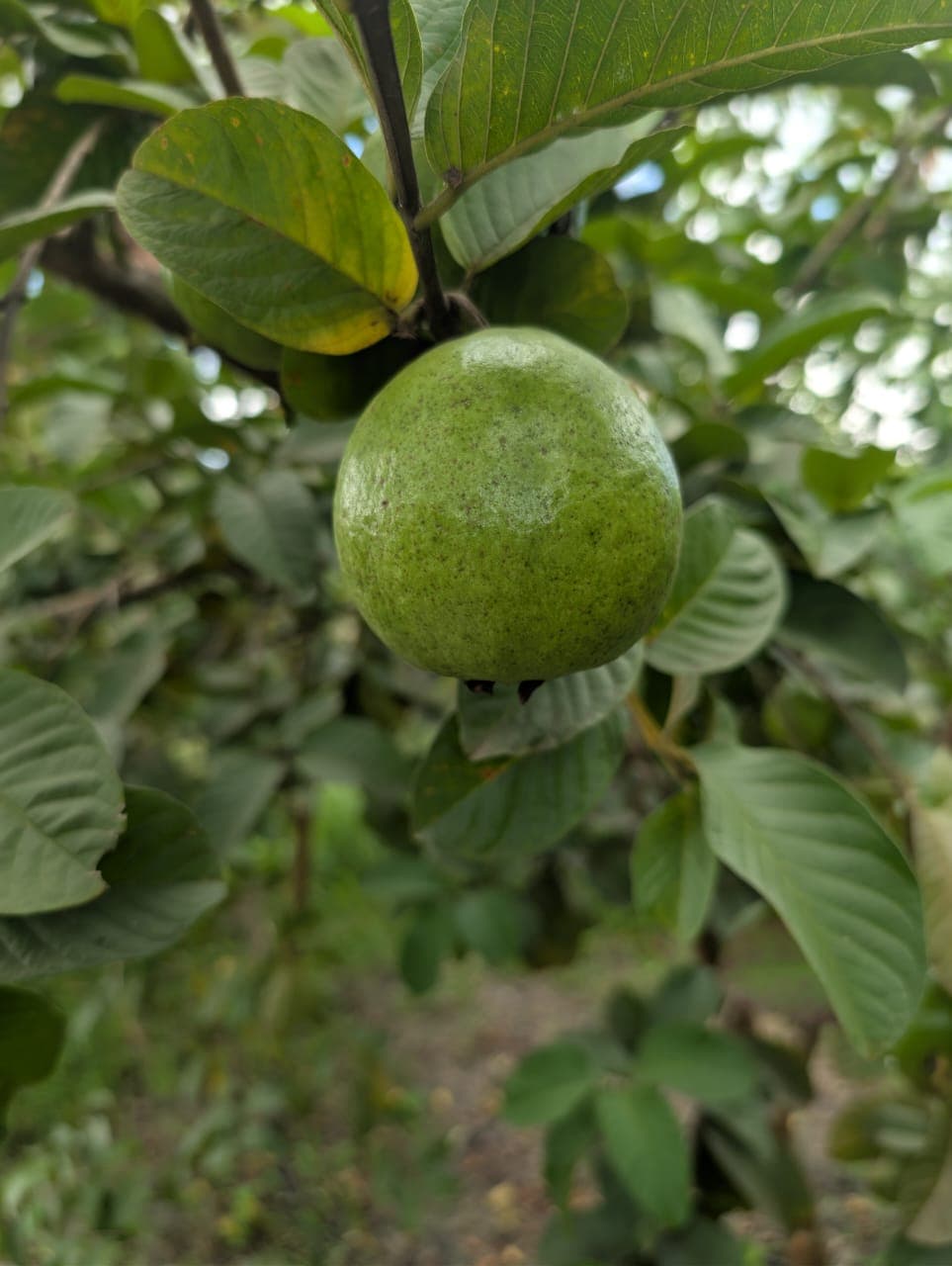
In a world filled with processed, chemically-grown food, finding truly healthy, natural produce is rare. Satwik Farms bridges the gap between traditional wisdom and modern wellness — our approach is not just about growing food, it is about restoring the earth, protecting the ecosystem, and nurturing your body with clean, nutritious food.
Here is why choosing Satwik Farms is one of the best decisions you can make for your health and the environment.
1. Residue-Free — What's Not in Your Food Matters
Conventional farming relies heavily on synthetic pesticides and fertilisers that leave chemical residues on and inside produce — even after washing. At Satwik Farms, we prioritise natural nutrient management and biological pest control, ensuring that what reaches your plate is pure, wholesome, and free from harmful residues.
This is not just about avoiding chemicals. It is about actively choosing food that nourishes rather than burdens your body.
2. Regenerative Farming & Soil Health
We believe in feeding the soil, not just the plant.
Our regenerative farming techniques focus on rebuilding soil organic matter — creating a vibrant, living ecosystem beneath the surface. Healthy soil produces more nutritious and flavoursome food, naturally. Unlike conventional farming that strips the land over time, regenerative methods allow the earth to heal and strengthen with every season.
Key practices include:
- Natural fertilisation — using compost and livestock manures to mimic nature's own cycle
- Carbon sequestration — storing more carbon in the soil, helping address climate change
- Biodiversity cultivation — encouraging a full range of organisms that keep the ecosystem in balance
3. Minimum Tillage for Soil Conservation
Conventional ploughing disrupts soil structure, causing erosion, compaction, and long-term degradation. At Satwik Farms, we use minimum tillage techniques — touching the soil as little as possible.
By leaving the soil structure largely intact, we:
- Improve moisture retention
- Prevent erosion and nutrient runoff
- Allow beneficial organisms — bacteria, fungi, earthworms — to thrive undisturbed
This is a cornerstone of sustainable land management, and one of the quietest but most powerful things a farm can do.
4. Traditional Wisdom & Local Approach
Our farming philosophy is rooted in ancestral methods that work in harmony with nature rather than against it. We focus on locally adapted crops — varieties better suited to the Kisarawe climate, requiring fewer interventions, and naturally more resilient.
This local approach supports a more reliable food system, reduces dependence on imports, and keeps traditional agricultural knowledge alive for future generations.
5. Supporting Pollinators & Biodiversity
Healthy farms need healthy ecosystems — and healthy ecosystems need bees.
By avoiding chemical pesticides, Satwik Farms actively protects honey bees and other pollinators. Bees are responsible for pollinating a third of everything we eat. Their presence on our farm ensures better yields, higher-quality produce, and a thriving ecological balance.
Beyond pollination, our beekeeping creates natural honey and medicinal products — a self-sustaining cycle that supports both the environment and local livelihoods.
6. Sustainability for Future Generations
Every practice at Satwik Farms is designed with the long view in mind. By conserving water, reducing chemical inputs, and continuously improving soil health, we ensure this land remains productive not just for us, but for the generations that will farm and eat from it after us.
Sustainability is not a marketing claim here — it is an operational commitment built into every decision we make.
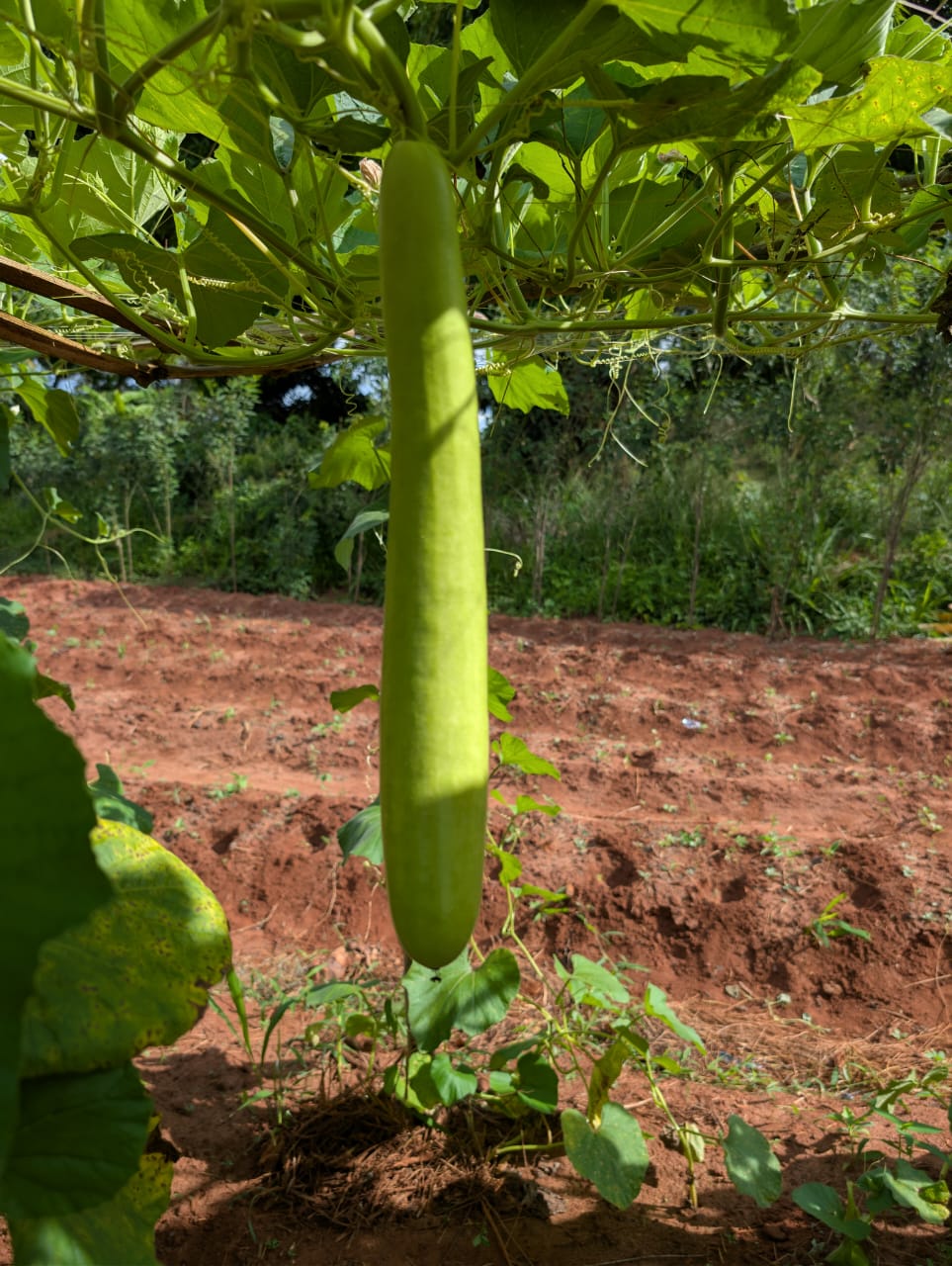
The Satwik Standard
When you buy from Satwik Farms, you are not just choosing cleaner food. You are:
- Supporting a local food system in Tanzania
- Reducing the carbon footprint of your meals
- Contributing to the health of the soil, water, and ecosystems around Kisarawe
- Backing a model that empowers local farmers and preserves the countryside
Produce is often harvested and delivered within 24 hours — ensuring peak flavour, maximum nutrition, and freshness that long-distance supply chains simply cannot match.
Choose Satwik. Choose Better.
In an era of mass-produced, chemically-laden food, Satwik Farms represents a return to what food should be: fresh, clean, and grown in harmony with nature.
Choosing produce from Satwik Farms is not just a shopping decision. It is a commitment to your health and the restoration of our local ecosystem.
"When you choose Satwik, you are choosing a future where sustainability is not just a buzzword — it is a way of life that protects our soil, our water, and our health for generations to come."
Frequently Asked Questions
What does "residue-free" mean? Residue-free means our produce is grown without synthetic pesticides or chemical fertilisers — so there are no harmful chemical residues on or in your food. It goes beyond simply calling produce "natural" and is verified through intentional farming practice rather than labelling alone.
Is Satwik Farms certified organic? We follow organic principles and our outcomes are residue-free — meaning the food tests clean. "Organic" is a certified label governed by country-specific standards. "Residue-free" is the actual result: food with no detectable chemical residues.
Where is Satwik Farms located? We farm in Kisarawe, approximately 45km from Dar es Salaam, Tanzania. Our produce is harvested and delivered to Dar es Salaam within 24 hours.
What does regenerative farming mean in practice? Regenerative farming means actively improving the land with every growing cycle — building soil health, increasing biodiversity, and sequestering carbon — rather than simply maintaining or depleting it. Our specific practices include minimum tillage, compost-based fertilisation, and crop rotation.
Why does freshness matter nutritionally? Vitamins and antioxidants in vegetables degrade quickly after harvest. Produce that has been in cold storage for days or weeks has meaningfully lower nutritional value than food harvested within 24 hours. Our farm-to-table model ensures you get food at peak nutrition.
Related Reading
- The Benefits of Residue Free Farming
- Raw Forest Honey from Kisarawe
- Barley – A Superfood for Diabetics and Beyond
- Meet Our Cattle: The Heart of Our Dairy
- Farm Visit Highlights: School Trip Success at Satwik Farms
- Grounding (Earthing): Benefits, Techniques & the Ayurvedic View
From our farm in Kisarawe to your table in Dar es Salaam — every item we grow is a reflection of the values we stand for.