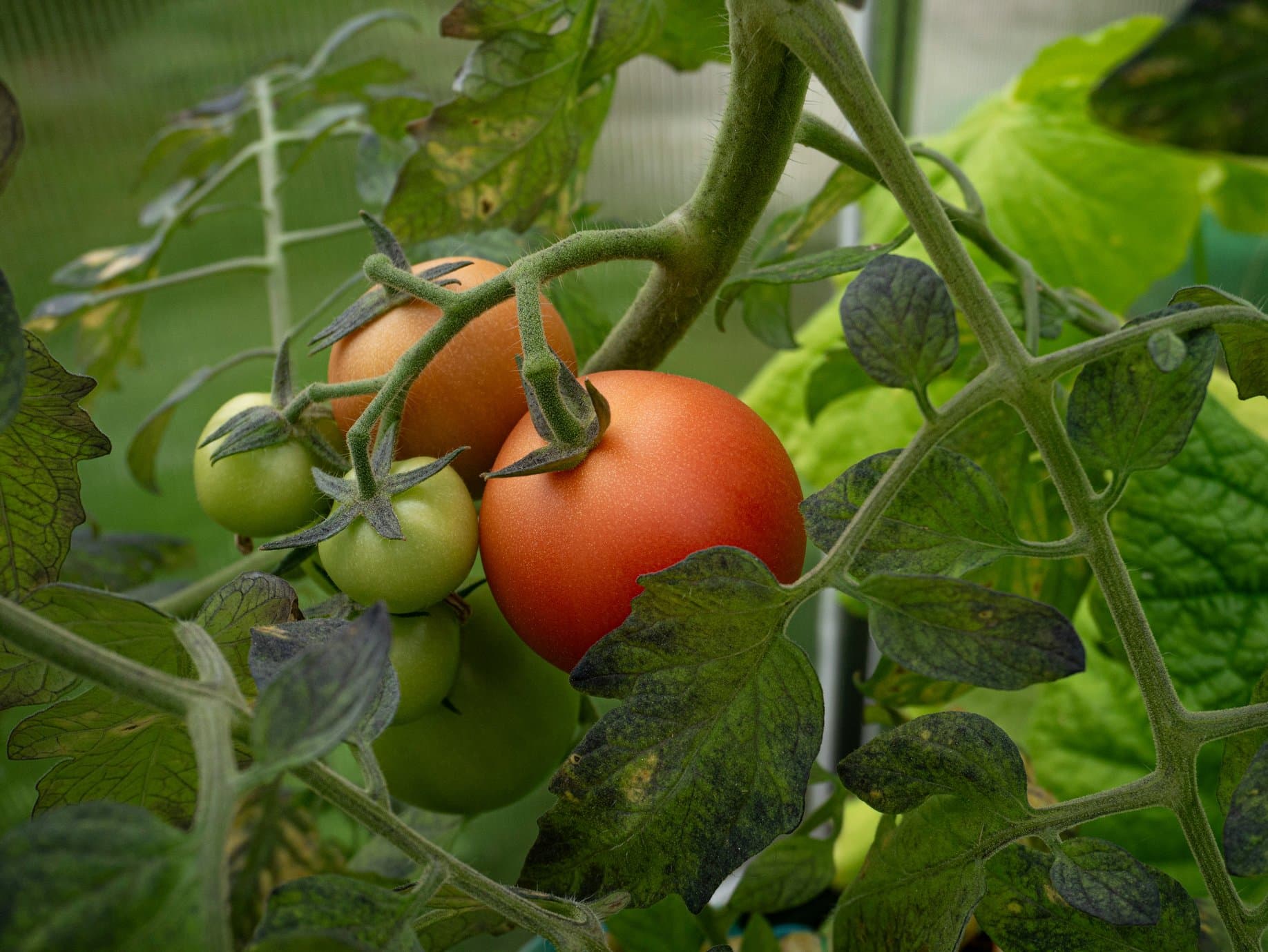
At Satwik Farms, "residue free" isn't a marketing phrase — it's the foundation of everything we do. But what does it actually mean, and why does it matter for your family's health?
What Is Residue Free Farming?
Residue free farming means growing crops without the use of synthetic pesticides, herbicides, or chemical fertilisers. The goal is to produce food that reaches your table with zero detectable chemical residues. This is different from simply calling produce "natural" — it requires intentional growing methods, careful soil management, and a genuine commitment to keeping chemicals out of the food chain.
At Satwik Farms in Kisarawe, Tanzania, we grow all our vegetables using residue free practices. Every crop is tended by hand, using natural pest control methods and compost-based nutrition for the soil.
Why It Matters for Your Health
No Chemical Residues in Your Food
The most direct benefit is straightforward: what you eat is clean. Conventional farming often relies on pesticides and herbicides that leave trace residues on — and sometimes inside — produce even after washing. Some studies suggest that long-term exposure to certain pesticide residues may be associated with hormonal and immune-system effects, though research is ongoing and the picture is far from settled.
Residue free produce sidesteps this concern at the source — by simply not using the chemicals in the first place.
Higher Nutritional Value
Healthy soil grows healthier food. When crops are grown in chemically treated soil, the microbial ecosystem that naturally feeds plants is disrupted. Our composting and natural soil management practices preserve this ecosystem, resulting in vegetables that are richer in vitamins, minerals, and antioxidants.
Better Taste and Freshness
There's a reason freshly grown, chemical-free vegetables taste different. Without artificial growth promoters or preservatives, the crop grows at its natural pace, developing fuller flavour. Our customers regularly tell us that once they've eaten our produce, supermarket vegetables feel bland by comparison.
Why It Matters for the Environment
Healthier Soil
Chemical fertilisers and pesticides degrade soil over time, killing the beneficial bacteria and fungi that make land productive. Residue free farming nurtures the soil rather than depleting it, keeping our land fertile and productive for future generations.
Cleaner Water
When it rains, chemical runoff from conventional farms flows into rivers, streams, and groundwater. This contaminates drinking water sources and disrupts aquatic ecosystems. Farming without chemicals means none of that runoff — protecting the local water supply around Kisarawe and the wider Pwani region.
Supports Biodiversity
A farm without toxic sprays becomes a habitat. Bees, butterflies, beneficial insects, birds, and soil organisms all thrive when they're not being killed off by pesticides. This biodiversity doesn't just feel good — it actually makes the farm more resilient and self-sustaining over time.
Our Approach at Satwik Farms
We use a combination of traditional agricultural wisdom and modern agronomy to keep our crops healthy without chemicals:
- Composting — We produce our own compost from farm waste, feeding the soil naturally
- Crop rotation — Rotating crops prevents pest buildup and maintains soil nutrients
- Natural pest control — Companion planting, physical barriers, and biological controls rather than sprays
- Manual weeding — Time-consuming, but it keeps herbicides completely off our land
Residue Free vs. Organic: What's the Difference?
"Organic" is a certified label governed by specific standards that vary by country. "Residue free" is the practical outcome — food that is actually free of chemical residues, verified by testing rather than certification paperwork alone. Our commitment at Satwik Farms is to the outcome: food you can eat without worry.
From our farm in Kisarawe to your table in Dar es Salaam — every vegetable we deliver is grown with your family's health in mind.
Related Reading
If you found this helpful, you may also like: