Akshaya Tritiya falls on the third lunar day of the bright fortnight in the Hindu month of Vaishakha (April/May), and is one of the most auspicious days in the Hindu calendar. "Akshaya" means imperishable or never-diminishing, and "Tritiya" refers to the third day.
It marks the beginning of Treta Yuga, the birth of Lord Parashurama, and the day Sage Vyasa began dictating the Mahabharata to Lord Ganesha. Celebrated as a perfect day for new beginnings, charity, purchasing gold, and performing ancestral rituals, Akshaya Tritiya carries the promise of endless prosperity and blessings.
The Deeper Significance
Unlike many festivals centred on a specific deity, Akshaya Tritiya is celebrated for its inherent auspiciousness — representing a golden opportunity for virtuous action. The belief is simple and powerful: any good deed, act of charity, or meaningful investment made on this day yields "never-diminishing" or eternal returns.
It is a beacon of hope, prosperity, and spiritual renewal, one where intention meets cosmic timing.
Legends Behind Akshaya Tritiya
Several pivotal events in Hindu scripture are believed to have occurred on this day:
- Beginning of Treta Yuga — The second of the four Yugas is believed to have commenced on this day.
- Birth of Lord Parashurama — The sixth incarnation of Lord Vishnu was born on Akshaya Tritiya.
- Krishna and Sudama — Lord Krishna blessed his childhood friend Sudama with immeasurable wealth, highlighting generosity and divine grace.
- The Akshaya Patra — During the Pandavas' exile, Lord Krishna gifted Draupadi a divine vessel that provided an endless supply of food — a symbol of unlimited abundance.
- Descent of the Ganga — The holy river Ganga is believed to have descended from heaven to Earth on this day.
- Beginning of the Mahabharata — Sage Vyasa began reciting the great epic to Lord Ganesha on this very day.
- Kuber's Prosperity — Lord Kuber worshipped Lord Shiva and was entrusted with managing the wealth of the universe.
What to Do on Akshaya Tritiya
Because the day is considered exceptionally fortunate, Hindus engage in activities aimed at inviting prosperity and earning spiritual merit.
1. Purchase Gold or Silver
Buying gold or silver jewellery is the most widely observed modern tradition. It is believed that gold purchased on Akshaya Tritiya will continue to grow and never diminish in value.
2. Give in Charity (Daana)
The spirit of Akshaya is most alive in giving. Donating food (Annadana), clothes, and water to those in need on this day is believed to multiply blessings many times over.
3. Worship Lord Vishnu and Goddess Lakshmi
As the day is ruled by Lord Vishnu, worshipping him alongside Goddess Lakshmi and Lord Kuber is common — seeking prosperity, wealth, and well-being for the household.
4. Perform Ancestral Rituals (Pitru Tarpan)
Performing Shradh or Tarpan rituals to honour ancestors is believed to bring peace to departed souls and harmony to the family.
5. Begin New Ventures
Starting a new business, signing contracts, buying property, or launching new projects on this day is considered highly auspicious for long-term success.
6. Wedding and Auspicious Occasions
Many weddings are scheduled on Akshaya Tritiya as the day is deemed svayam siddha — self-auspicious — requiring no special muhurat.
What NOT to Do on Akshaya Tritiya
While the day opens doors to positive action, certain behaviours are traditionally avoided:
- Avoid negativity and conflict — Anger, jealousy, or sadness can impede the flow of positive energy on this sacred day.
- Avoid excessive or frivolous spending — While meaningful investments are encouraged, wasting money on non-essentials runs contrary to the spirit of Akshaya.
The Sacred Amla Tree on Akshaya Tritiya
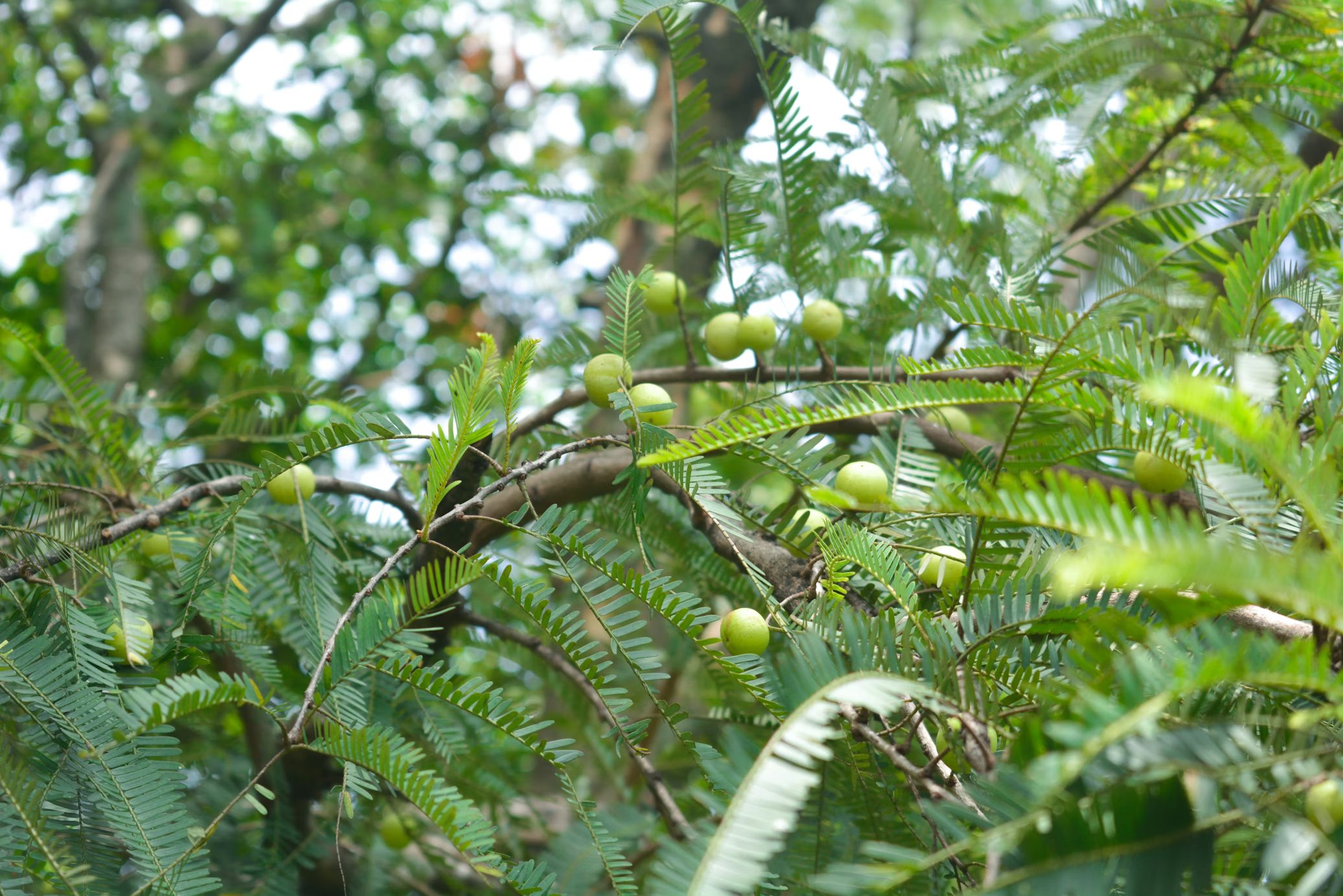
Performing Amla tree puja on Akshaya Tritiya symbolises eternal prosperity, divine protection, and purification. The Amla (Amalaki) tree is believed to be the abode of Lord Vishnu and Goddess Lakshmi, making its worship especially potent on this auspicious day.
Mythological and Spiritual Significance
- Abode of Vishnu and Lakshmi — According to the Puranas, Lord Vishnu dwells in the Amla tree during the month of Kartika, making it a sacred site for prayer year-round.
- Born of Divine Tears — Mythological legends state the Amla tree originated from the tears of Goddess Lakshmi as she worshipped Shiva and Vishnu beneath it.
- Purification of Sins — The Skanda Purana mentions that merely seeing or touching an Amla tree on this auspicious day can absolve past sins.
- Equivalent to Pilgrimage — Performing rituals, lighting diyas, and circumambulating the tree is believed to confer spiritual merit equal to major pilgrimages.
- Tree of Dharma — Amla is revered as the Tree of Dharma, symbolising righteous living and vitality. It is one of the most celebrated plants in Ayurveda for its extraordinary nutritional and healing properties.
How to Perform Amla Tree Puja
- Offer water and milk to the roots of the tree.
- Apply vermilion (kumkum) to the trunk as a mark of reverence.
- Light a diya and offer flowers or fruits.
- Perform Parikrama — walk around the tree 7, 9, or 11 times while chanting prayers or mantras.
- If no tree is accessible, offer prayers to an image of an Amla tree or place Amla fruits in your home puja space.
While Amla Navami in the Kartika month is the principal festival dedicated to the Amla tree, the sacred nature of Akshaya Tritiya makes it equally powerful for connecting with this divine tree.
A Day to Plant Seeds — Literally and Spiritually
Akshaya Tritiya is not merely a day for ritual — it is an invitation to align action with intention. Whether you are planting a garden, beginning a new chapter, or simply pausing to offer gratitude, the energy of this day supports all that is good, lasting, and true.
At Satwik Farms, we celebrate this spirit every day — nurturing the earth with care, growing food without residues, and honouring the ancient connection between nature and nourishment.
Akshaya Tritiya Shubhkamnayein — May your prosperity never diminish.
Related Reading
If you enjoyed this, you may also like: