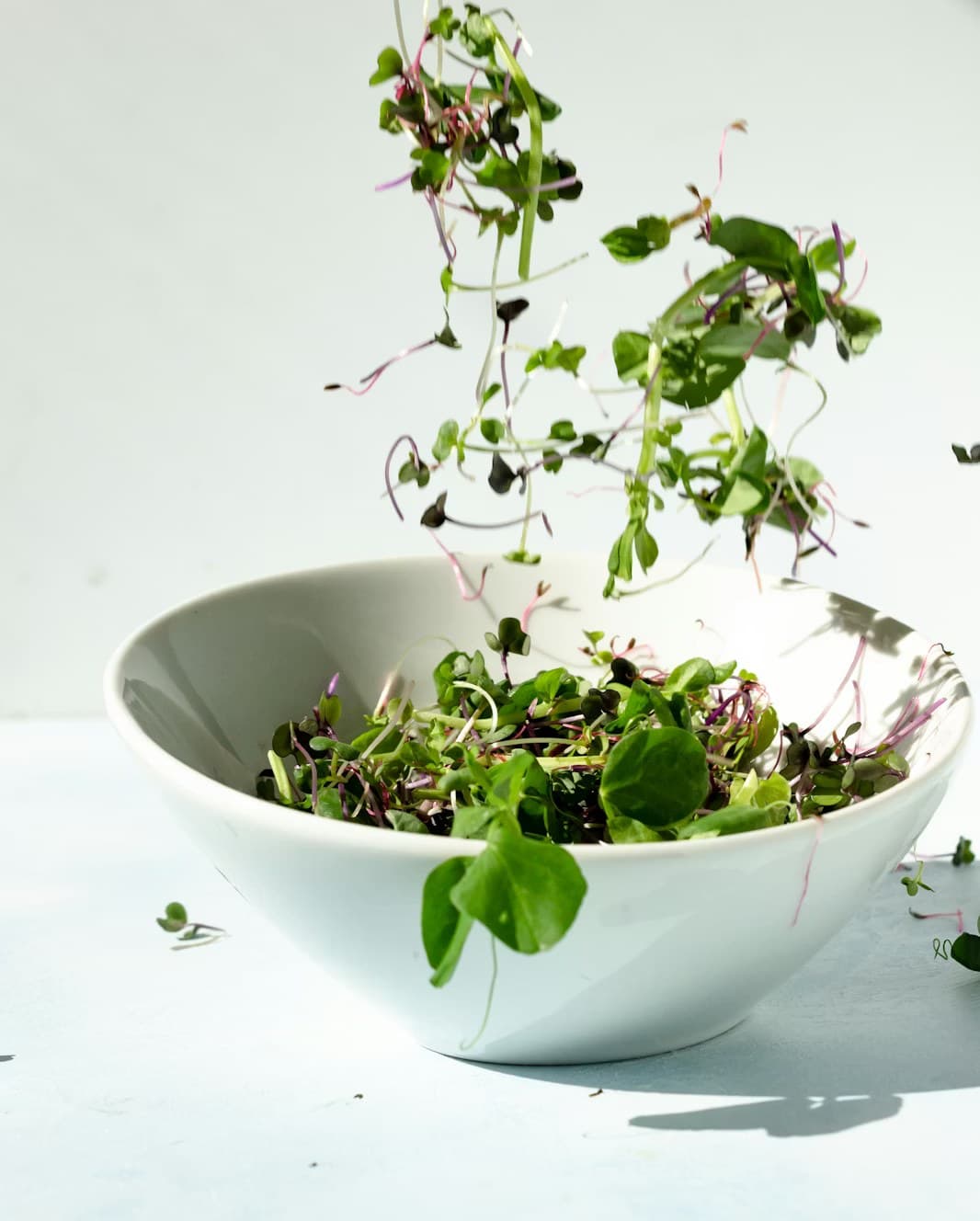
In today's fast-paced lifestyle, where nutrient deficiencies, lifestyle diseases, and digestive issues are increasingly common, the need for high-quality, easily digestible, and pranic-rich food has never been greater. This is where microgreens emerge as a powerful solution.
Microgreens are not just a modern superfood trend — they align deeply with the ancient principles of Ayurveda and Satwik living, which emphasise freshness, vitality (prana), and natural nourishment.
What Are Microgreens?
Microgreens are young edible greens harvested at an early stage — typically 7 to 21 days after germination, just after the first true leaves have developed. Common varieties include:
- Broccoli microgreens
- Radish microgreens
- Fenugreek (methi) microgreens
- Mustard microgreens
- Wheatgrass
- Pea shoots
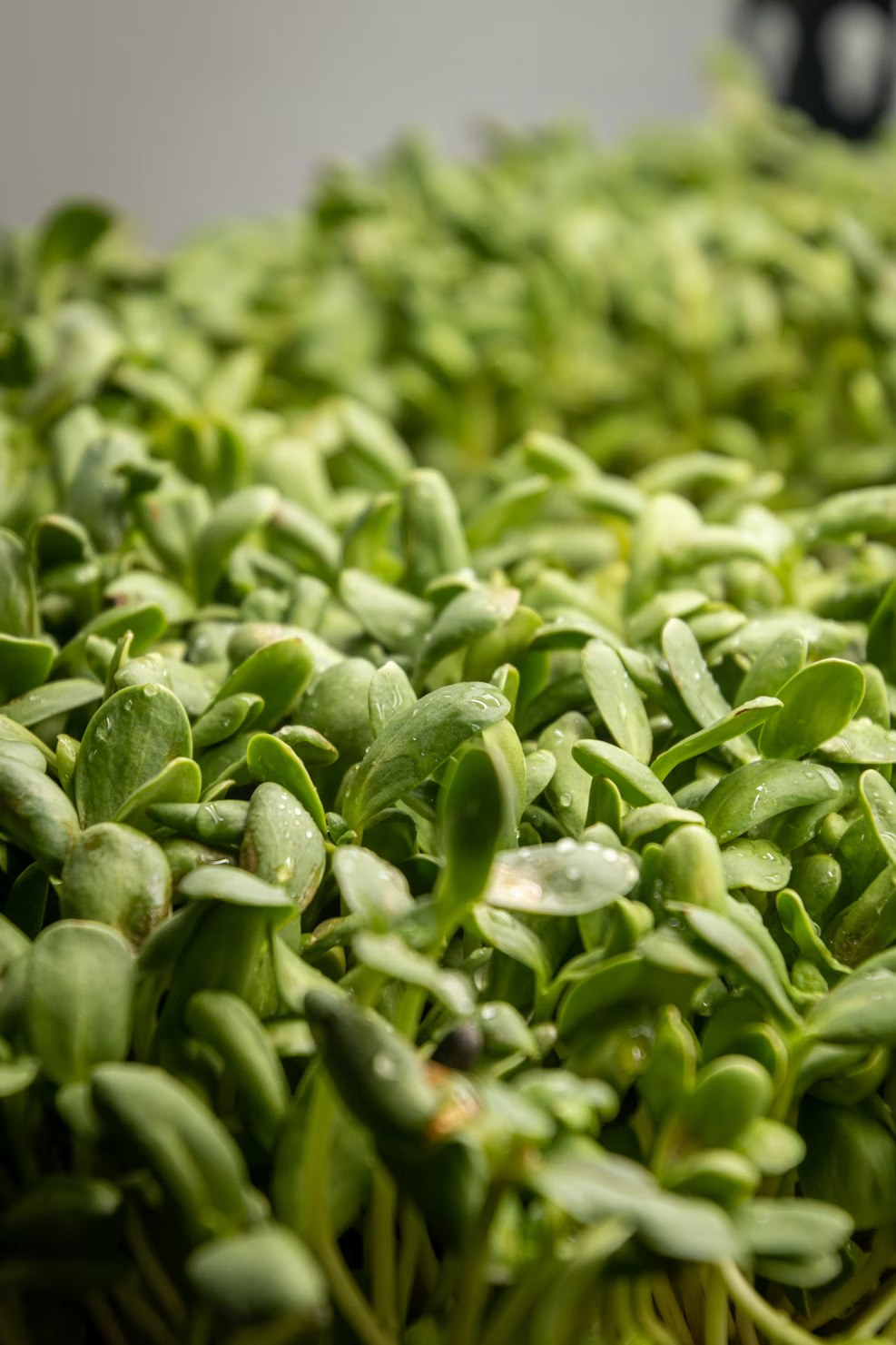
- Sunflower microgreens
They are rich in nutrients, highly digestible, easy to grow at home, and packed with antioxidants and active enzymes — in a fraction of the quantity needed from mature vegetables.
The Satwik Perspective: Why Microgreens Are a Pure Food
In Ayurveda, all foods are classified into three categories: Satwik (pure, light, energising), Rajasic (stimulating), and Tamasic (dull, heavy). Microgreens fall naturally and beautifully into the Satwik category.
High Prana (Life Energy)
Freshly harvested microgreens are brimming with pranic energy — the vital life force that enhances vitality, mental clarity, and overall well-being. The closer food is to its living state, the higher its prana.
Easy Digestion (Laghu Ahara)
Microgreens are laghu (light) and gentle on the digestive system. Their active enzyme content aids the body's own digestive processes, supporting gut health without creating heaviness.
Mental Clarity and Calm
Satwik foods are known to calm the mind, improve focus, and support meditative and spiritual practices. Microgreens — fresh, clean, and unprocessed — embody this quality completely.
Dosha Balance
| Dosha | Microgreen Action |
|---|---|
| Vata | Moist, fresh microgreens help ground and stabilise |
| Pitta | Cooling varieties (sunflower, pea shoots) reduce excess heat |
| Kapha | Bitter and spicy varieties (mustard, radish) stimulate metabolism |
In Ayurvedic terms, microgreens help maintain Agni (digestive fire) and actively reduce Ama (accumulated toxins).
Microgreens Nutrition: The Science
Modern science strongly supports what Ayurveda has always emphasised — fresh, young plant foods are nutritionally superior.
Key nutrients in microgreens:
| Nutrient Type | Examples |
|---|---|
| Vitamins | A, C, E, K |
| Minerals | Iron, Calcium, Magnesium, Zinc |
| Phytochemicals | Polyphenols, flavonoids, sulforaphane |
| Enzymes | Active digestive enzymes |
What research shows:
- Microgreens contain 4–40 times more nutrients than their fully mature counterparts
- High antioxidant levels reduce oxidative stress and cellular damage
- Regular consumption supports heart health, blood sugar regulation, and immune function
Health Benefits
1. Boost Immunity Naturally
Rich in Vitamin C and antioxidants, microgreens actively strengthen the immune system — supporting the body's defences against infection and seasonal illness.
2. Support Gut Health & Digestion
Their enzyme content improves digestion and nutrient absorption. In Ayurvedic terms, they enhance Agni and reduce bloating and digestive sluggishness.
3. May Help Support Healthy Blood Sugar
Certain microgreens — particularly fenugreek (methi) — may help support healthy blood sugar levels as part of a balanced diet. They are a useful supportive food, but not a substitute for prescribed diabetes treatment. Those on glucose-lowering medication should monitor their levels and consult a doctor before regular therapeutic use.
4. Support Heart Health
Microgreens may help support healthy LDL ("bad") cholesterol and overall cardiovascular function through their antioxidant and phytochemical content.
5. Detoxify the Body
They support liver function and help eliminate accumulated toxins — directly addressing the Ayurvedic concept of Ama reduction.
6. Support Weight Management
Extremely low in calories but dense in micronutrients — microgreens provide genuine nourishment without adding unnecessary caloric load, making them ideal for fat loss diets.
7. Improve Skin & Hair
Their antioxidant profile slows cellular ageing, improves skin glow, and supports strong, healthy hair through better internal nutrition.
Types of Microgreens & Their Specific Benefits
| Microgreen | Key Benefits |
|---|---|
| Fenugreek (Methi) | Controls blood sugar, improves digestion, reduces inflammation |
| Mustard | Boosts metabolism, clears congestion, warming effect |
| Broccoli | Anti-cancer properties (sulforaphane), liver detox support |
| Sunflower | Rich in healthy fats, excellent for skin health |
| Pea Shoots | High in plant protein, sweet flavour, cooling |
| Wheatgrass | Powerful detoxifier, alkalising, rich in chlorophyll |
| Radish | Digestive stimulant, pungent, supports Kapha balance |
Microgreens vs Regular Vegetables
| Feature | Microgreens | Mature Vegetables |
|---|---|---|
| Nutrient density | Up to 40x higher per gram | Standard |
| Digestibility | Easier — active enzymes present | Variable |
| Quantity needed | Small serving = high nutrition | Larger quantities required |
| Fibre content | Lower | Higher |
| Pesticide risk | Minimal (especially when homegrown) | Variable |
Important: Microgreens are a nutritional booster, not a replacement. Pair them with regular vegetables to get the full benefit of both — micronutrient density from microgreens, and dietary fibre from mature vegetables.
Growing Microgreens at Home
Microgreens are perfect for urban and Satwik kitchens — they require minimal space, water, and time:
- Grow in small trays on a windowsill or balcony
- Require no pesticides or chemical inputs
- Ready to harvest in 7–10 days
- Provide a continuous, fresh, living food source year-round
Best Ways to Consume Microgreens
Raw is best — heat destroys the active enzymes and reduces nutrient availability.
- Fresh salads and detox bowls
- Blended into smoothies or fresh juices
- Stirred into khichdi or soups after cooking (not during)
- As a garnish on dals, curries, or rice dishes
Best time to eat (Ayurvedic guidance):
- Morning or with lunch — when digestive fire is strongest
- Avoid late-night consumption
Precautions
- Wash thoroughly before consuming — raw greens can carry surface bacteria
- Hygiene matters — use clean growing methods, sterile trays, and filtered water; raw sprouts have been linked to foodborne illness when grown unhygienically
- Consume fresh — avoid storing cut microgreens for more than 1–2 days
- Pregnancy: Pregnant women, young children, and those who are immunocompromised should be especially cautious with raw sprouted foods, as they carry a higher risk of bacterial contamination — lightly cook them or consult your doctor
- Fenugreek (methi) microgreens: May lower blood sugar — monitor levels if on diabetes medication, and avoid in therapeutic quantities during pregnancy
- Those with specific health conditions or on medication should consult a practitioner before making significant dietary changes
Pure Prana, Maximum Nutrition
Microgreens beautifully bridge the gap between modern nutrition science and ancient Ayurvedic wisdom. They offer high nutrition in small quantity, improved digestion and detoxification, enhanced mental clarity and energy, and a sustainable, living food source that can be grown right at home.
Whether you are searching for the best superfoods for health, natural immunity boosters, or the ideal addition to a Satwik diet — microgreens belong at your table.
"Satwik Microgreens — Pure Prana, Maximum Nutrition."
This article is for general educational purposes only and is not a substitute for professional medical advice, diagnosis or treatment. If you have an existing medical condition, are on medication, or are pregnant or breastfeeding, please consult your healthcare provider before making significant changes to your diet.
Related Reading
More from the Satwik wellness collection:
- Chana & Moong Sprouts: Nutrition, Ayurvedic Benefits & How to Eat Them Daily
- The Gut: Where Ancient Wisdom Meets Modern Science
- Flax Seeds: Benefits, Nutrition & Daily Dosage
- Ash Gourd: The Yogic Superfood & Ayurvedic Powerhouse
- Fresh Garden Salad with Satwik Greens
- What's Growing This Month: Seasonal Harvest at Satwik Farms