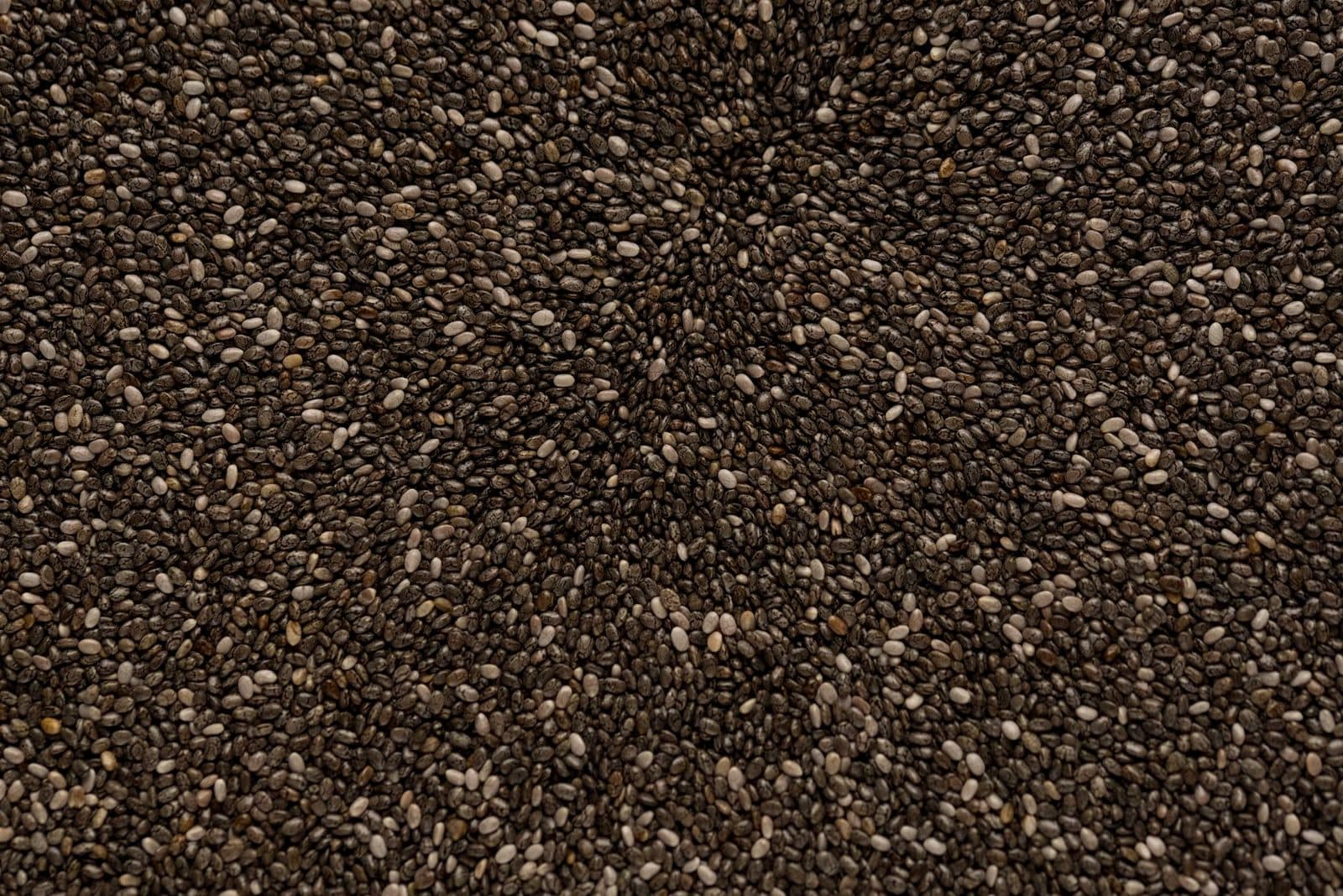
Chia seeds have become a familiar addition to smoothies, breakfast bowls and wholesome baked foods — and for good reason. These small black, grey or white seeds are rich in fibre, plant omega-3 fats, minerals and protein. Their ability to form a soft gel in water also makes them unusually versatile in the kitchen.
At Satwik Farms, we see chia best not as a miracle cure, but as a nourishing whole food: one that can support a balanced, fibre-rich diet when used regularly and sensibly.
What Are Chia Seeds?
The common name is chia or chia seed. Its accepted scientific name is Salvia hispanica L., and it belongs to the mint or sage family, Lamiaceae — the same broad botanical family as tulsi, mint and sage. Despite the word hispanica, chia is not native to Spain. Its native range is Mexico to Guatemala, where it was an important food crop in Mesoamerican cultures.
Chia is an annual herb. It produces small oval seeds that may be mottled black, brown, grey or white. White and black chia are usually nutritionally similar — colour alone is not a reliable measure of quality. Cleanliness, freshness, proper storage and a pleasant mild smell matter more.
Where Can Chia Grow?
Chia is a warm-season, frost-sensitive crop, naturally suited to subtropical and tropical conditions. It generally needs a reasonably long warm growing period to flower and set seed, and it is now grown in parts of Latin America, Australia, Africa and Asia where climate, rainfall and soil drainage are appropriate.
For home growers, the practical message is simple: chia prefers sun, warmth and well-drained soil. It does not appreciate frost or waterlogged roots. Flowering is sensitive to day length, so a variety that grows well in one region may not perform equally well in another.
Why Do Chia Seeds Turn Into Gel?
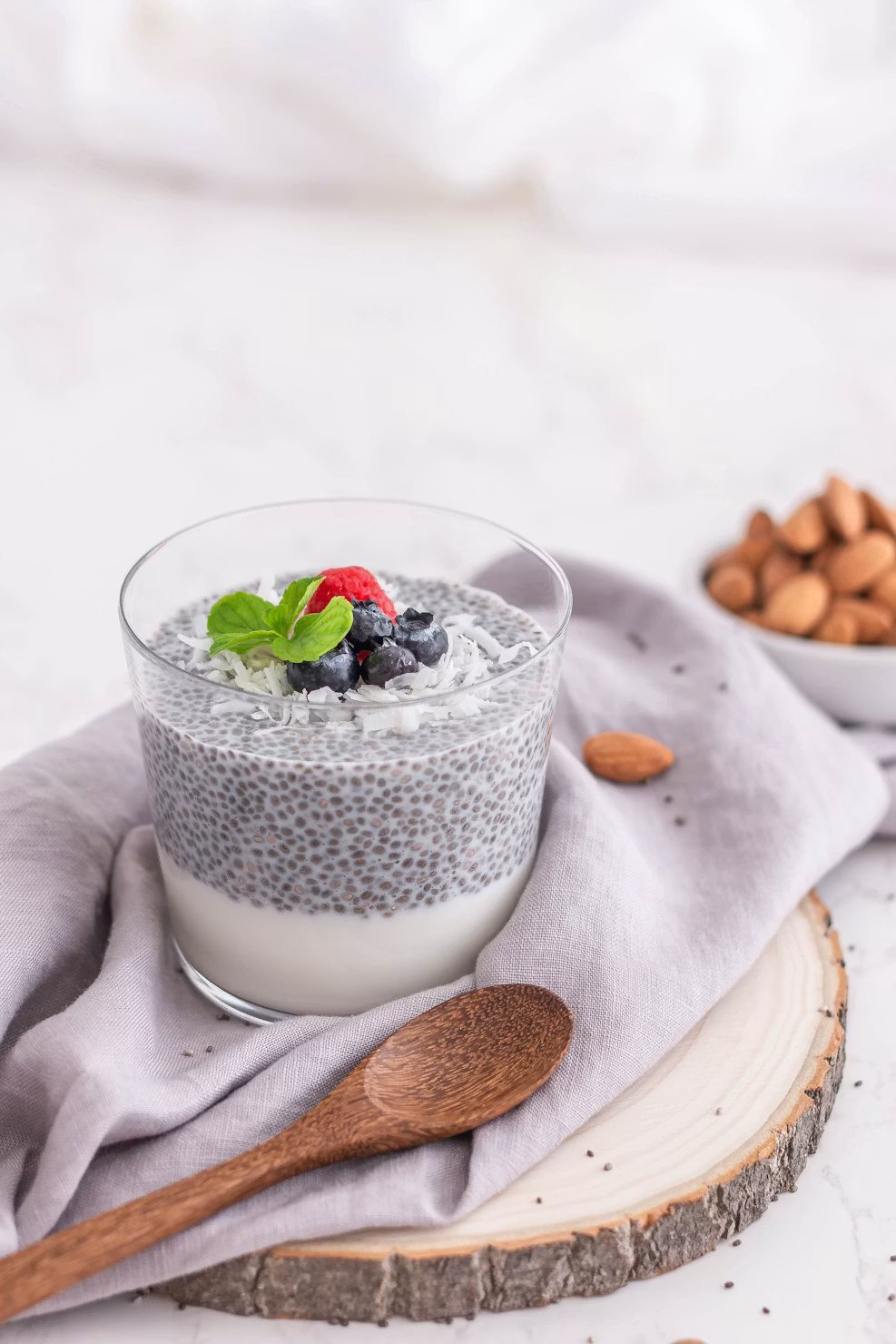
When chia meets water, its outer layer releases soluble fibre and forms a gel-like coating. This is why a spoonful of seeds can thicken milk, coconut water or a smoothie into chia pudding.
That gel is not just culinary theatre. Along with the seed's insoluble fibre, it can help make a meal more filling and may slow the movement of carbohydrates through the digestive process. Still, it is important not to overstate this: a slower digestive response is not the same as a treatment for diabetes.
A Few Fun Facts
- Chia is part of the sage family, not a cereal grain.
- The word "chia" is often linked to a Nahuatl word associated with oily or fatty seeds.
- The seeds can hold many times their dry weight in liquid, creating their signature gel.
- Chia is naturally gluten-free, though people with coeliac disease should choose products protected from cross-contamination.
- It is one of the richer plant sources of alpha-linolenic acid (ALA), an omega-3 fat — a 28 g serving provides about 5 g ALA.
Nutritional Value: What Does One Serving Provide?
A common serving is 2 tablespoons, about 28 g. Nutrition varies by brand and batch, but this portion typically supplies roughly:
| Nutrient | Per 2 tbsp (28 g) |
|---|---|
| Energy | 135–140 kcal |
| Protein | 4–5 g |
| Fat (mostly unsaturated) | 8–9 g |
| Fibre | 10–11 g |
| ALA omega-3 | ~5 g |
| Minerals | Useful amounts of calcium, phosphorus, magnesium, manganese and iron |
The standout nutrient is fibre. Two tablespoons can provide a substantial part of an adult's daily fibre target. For people who currently eat little fibre, that is a reason to begin with a smaller amount, not to consume the full serving immediately.
Chia also contains plant protein and minerals, but it should complement — not replace — a varied diet of pulses, vegetables, fruits, whole grains, nuts and seeds. Its ALA is beneficial, but the body's conversion of ALA into the marine omega-3 fats EPA and DHA is limited. People who do not eat fish may wish to discuss algae-derived DHA/EPA with a qualified clinician or dietitian.
Potential Health Benefits
1. Supporting regular bowel movements
Chia's combination of soluble and insoluble fibre, especially when eaten with adequate fluids, can help increase stool bulk and support regularity. For mild constipation related to a low-fibre diet, adding chia gradually as part of an overall fibre-and-fluid routine may be helpful.
The key word is gradually. A sudden large increase in fibre can cause gas, bloating, cramps or loose stools. Chia is not suitable as a self-treatment for persistent constipation, unexplained abdominal pain, vomiting, blood in stool, or an abrupt change in bowel habit — those symptoms need medical assessment.
2. Satiety and weight-management support
A chia-based breakfast can be satisfying because it combines fibre, fat, protein and fluid. It may help some people feel fuller between meals, especially when it replaces a refined, low-fibre snack.
But chia does not cause weight loss by itself. Recent reviews of clinical trials have not found a consistent, meaningful reduction in body weight or BMI from chia supplementation alone. Its useful role is practical: making a balanced breakfast or snack more filling, while a sustainable routine still depends on overall dietary pattern, sleep, activity and individual health needs.
3. Heart health and blood pressure
Chia contains unsaturated fats, fibre and ALA — nutrients that fit well within heart-healthy eating patterns. Recent meta-analyses of relatively small, short clinical trials suggest chia may modestly lower blood pressure in some adults, and some reviews report modest improvements in triglycerides and LDL cholesterol at higher intakes. Findings across studies are inconsistent, however, and study quality and size remain limitations.
In plain language: chia can be a heart-friendly food, but it is not a substitute for prescribed blood-pressure treatment, cholesterol medicine, physical activity, smoking cessation or a diet lower in excess salt and highly processed foods.
4. Blood sugar and diabetes: useful food, not medicine
Because it is fibre-rich and forms a gel, chia may be a sensible addition to meals for many people with prediabetes or type 2 diabetes. Replacing a sugary breakfast topping with chia, nuts and fruit can be a useful dietary swap.
Yet the scientific evidence does not establish chia as a diabetes treatment — current meta-analyses have not shown a significant average improvement in fasting glucose or HbA1c. People taking insulin or glucose-lowering medicines should not change medication doses based on chia intake. Continue planned glucose monitoring and consult your clinician if dietary changes affect readings.
5. Plant-based omega-3 intake
Chia is a convenient vegetarian source of ALA omega-3. Omega-3 fats are essential components of human nutrition, and chia can help diversify a plant-forward diet. It is worth distinguishing ALA from EPA and DHA, though: chia is rich in ALA, while fish and algae oils directly provide EPA/DHA.
Chia in Ayurveda and Naturopathy
A careful distinction matters here. Chia is an ancient Mesoamerican food, but it is not a classical Ayurvedic herb with a long, standardised description in foundational Ayurvedic texts. It should not be presented as a traditional Ayurvedic cure or assigned fixed Ayurvedic disease prescriptions without a trained practitioner's individual assessment.
In contemporary Ayurvedic-informed food practice, chia may be used as a nourishing seed in soaked form — often with warm water, milk or a plant-based alternative — especially when its moist, gel-like texture is better tolerated than dry seeds. The overall effect depends on the person, digestive comfort, meal pattern and preparation. People prone to bloating, abdominal discomfort or weak appetite may tolerate a smaller quantity, or may prefer other foods.
Naturopathy commonly values chia as a whole-food source of fibre, hydration-supporting gel and plant fats. In this context, its most reasonable use is supportive: regular meals, adequate water, movement, sleep and minimally processed foods. It should never be positioned as a replacement for medical care in hypertension, diabetes, thyroid disease, kidney disease, inflammatory bowel disease or any serious condition.
Practical Use and Portions for Common Concerns
The amounts below are food portions, not medical dosages. They reflect sensible everyday use and the ranges commonly examined in research — they are not a promise of treatment.
| Situation | Practical chia use | Important note |
|---|---|---|
| General wellness | Start with 1 tsp daily; build to 1–2 tbsp (15–28 g) if comfortable | Drink enough fluid and increase gradually |
| Low-fibre diet or mild constipation tendency | 1 tsp soaked daily, increasing slowly to 1 tbsp (~12 g) | Use only alongside sufficient water, fruits, vegetables and movement; seek care for persistent symptoms |
| Prediabetes or type 2 diabetes | 1–2 tbsp with a balanced meal, e.g. unsweetened yoghurt or oats | Not a substitute for medicines or glucose monitoring |
| High blood pressure | Up to 1–2 tbsp daily as part of a DASH-style or whole-food diet | Do not stop or reduce BP medicines; monitor BP if advised |
| High cholesterol or triglycerides | 1–2 tbsp daily in place of refined snack foods | Possible modest benefit, but results are mixed; follow prescribed treatment |
| Weight-management goal | 1 tbsp in a protein- and fruit-containing breakfast or snack | Use it to improve fullness, not as an "extra" high-calorie addition |
Research trials have used different forms and amounts — often around 25–35 g per day — and varied in duration and participant health. This variation is exactly why there is no medically established chia "dose" for diabetes, hypertension or high cholesterol. A healthcare professional can individualise advice, especially if you take regular medication.
Best Time to Take Chia Seeds
There is no single medically proven "best" time. The best time is the one that helps you use it consistently and comfortably. Many people enjoy chia:
- At breakfast, soaked into overnight oats or yoghurt for a fibre-rich start.
- With lunch or an evening snack, stirred into curd, buttermilk, a smoothie or soup.
- Before a meal, only if it is fully hydrated and suits digestion; this may support fullness for some people.
For sensitive digestion, avoid taking a large amount immediately before bed. Begin earlier in the day so you can observe how your body responds and drink fluids comfortably.
How to Use Chia Safely
The simplest method is to soak 1 tablespoon of chia in ½ to 1 cup of liquid for 15–30 minutes, stirring once or twice. It can then be added to porridge, yoghurt, smoothies or fruit bowls. For pudding, soak longer — often overnight.
You can also add chia to dough, batters, salads or cooked foods. When using it dry in food, chew well and drink fluids. Avoid swallowing spoonfuls of dry chia followed by water. Because the seeds rapidly form a gel, a rare case of oesophageal blockage has been reported in a person with swallowing difficulty. People with dysphagia, oesophageal narrowing, prior food impaction or significant swallowing problems should consult a clinician before using chia.
Also take extra care if you:
- Have a seed allergy or have reacted to chia before.
- Have inflammatory bowel disease, bowel narrowing, a history of obstruction, or severe digestive symptoms.
- Take blood-pressure, blood-sugar or blood-thinning medicines. Food portions are usually manageable, but a clinician can advise on your individual situation — and if you have a planned surgery, mention regular chia use in advance.
- Are pregnant or breastfeeding — normal food amounts are generally considered fine, but discuss larger "therapeutic" quantities with your provider.
- Are introducing it for a child (start with ½–1 tsp, well soaked), an older adult with swallowing difficulty, or someone on a medically restricted diet.
A Simple Satwik Farms Chia Routine
Try this gentle daily habit:
- Add 1 teaspoon of chia to a bowl of curd, unsweetened yoghurt or plant yoghurt.
- Mix in fresh seasonal fruit and a few nuts.
- After several days, increase slowly to 1 tablespoon if digestion remains comfortable.
- Keep the rest of the plate balanced: fruit or vegetables, a protein source, and minimally processed staples.
This is the spirit in which chia is most useful: not as a shortcut, but as one small, nutrient-dense part of a wholesome routine.
The Takeaway
Chia seeds are a valuable pantry food: fibre-rich, plant-based, naturally gluten-free and easy to use. Their strongest, most dependable contribution is nutritional — helping people add fibre, ALA omega-3 fats and minerals to everyday meals. Modern research suggests possible modest benefits for blood pressure and some cardiometabolic markers, but it does not support claims that chia cures diabetes, obesity, high cholesterol or other diseases.
Soak them, start small, drink enough fluids, and enjoy them as part of an overall nourishing lifestyle.
References
- Royal Botanic Gardens, Kew — Plants of the World Online: Salvia hispanica L.
- National Institutes of Health, Office of Dietary Supplements — Omega-3 Fatty Acids: Health Professional Fact Sheet
- TaghipourSheshdeh F, et al. The Effect of Chia Seed on Blood Pressure, Body Composition, and Glycemic Control: Systematic Review and Meta-analysis. Nutrition Reviews, 2025.
- Fateh HL, et al. The impact of chia seeds on diabetes, blood pressure, lipid profile, and obesity indicators. Prostaglandins & Other Lipid Mediators, 2024.
- Saadh MJ, et al. Effects of chia seed consumption on blood pressure and body composition in adults. Clinical Therapeutics, 2025.
- Simmelink J, et al. Watch it grow: Esophageal impaction with chia seeds. Case Reports in Internal Medicine, 2014.
This article is for general educational purposes only and is not a substitute for professional medical advice, diagnosis or treatment. If you have an existing medical condition (especially diabetes, high blood pressure, a bleeding or swallowing disorder, or inflammatory bowel disease), or are taking any medication, or are pregnant or breastfeeding, please consult your healthcare provider before making significant changes to your diet.
Related Reading
If you found this helpful, you may also like: