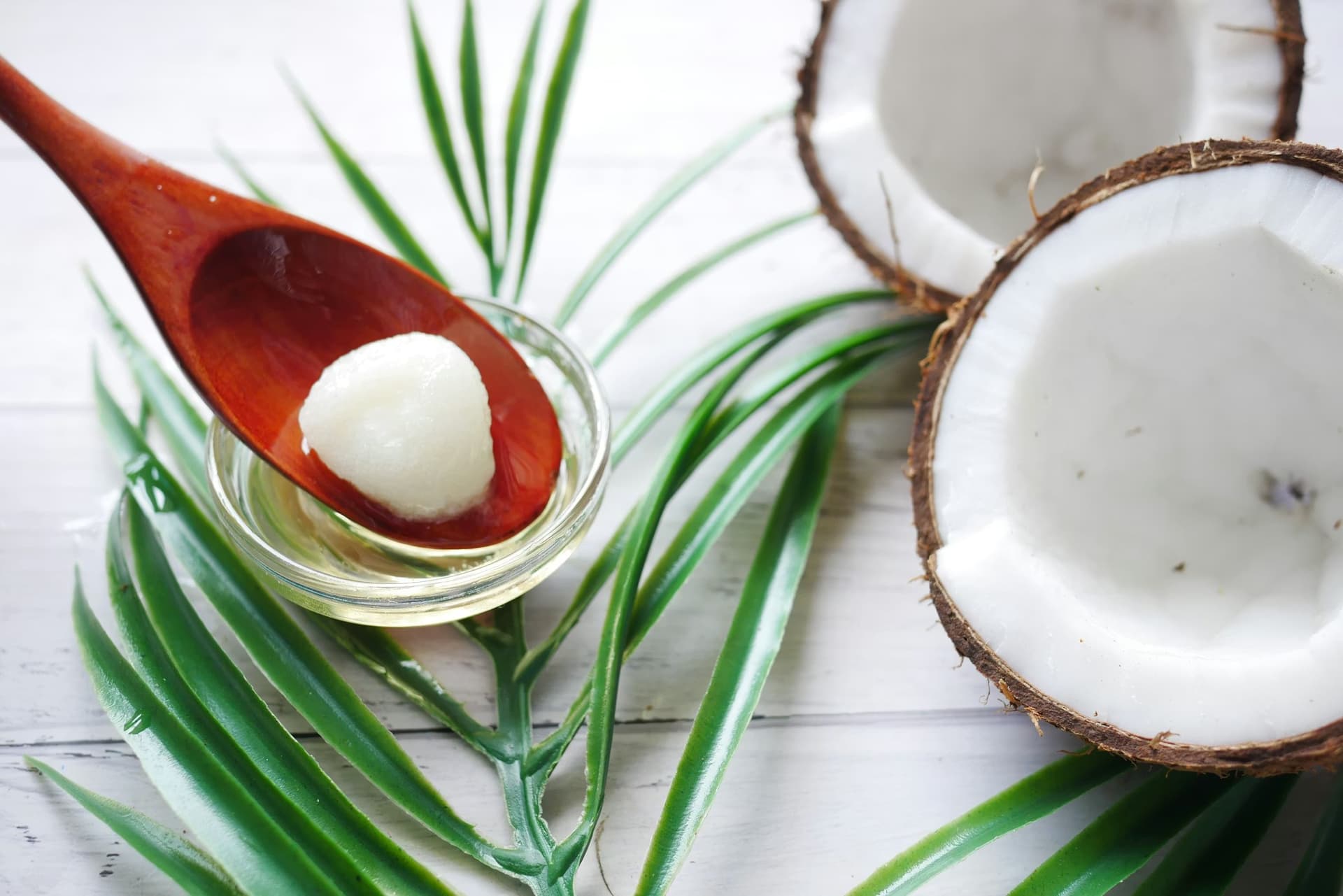
Few foods have served humanity as faithfully — or as long — as the coconut. It is, all at once, a food, a cooking medium, a beauty treatment, a hydration source and a spiritual symbol. Traditional societies treated the coconut palm as the "tree of life", and modern nutrition science is slowly catching up to what those communities understood through generations of everyday use.
This guide brings the two views together: what coconut offers, how Ayurveda and naturopathy use it, what the research says about coconut oil and oil pulling, and — importantly — how much is sensible to eat each day.
What Makes Coconut Special
Coconut is unusual because almost every part of it is useful — the water, the soft and firm flesh, the oil, the milk and even the husk. Nutritionally, its standout features are:
- Medium-chain triglycerides (MCTs) — fats that the body metabolises differently from most dietary fat, often used quickly for energy rather than stored
- Lauric acid — a fatty acid studied for its antimicrobial properties
- Natural minerals and gentle hydration — especially in tender coconut water
- Heat-stable fat — coconut oil resists breaking down at cooking temperatures better than many refined oils
Virgin coconut oil — cold-pressed from fresh coconut with minimal processing — is the form most valued in natural therapies, because it retains more of its natural compounds and aroma.
Coconut Oil Pulling: What the Evidence Says
Oil pulling is the traditional practice of swishing a tablespoon of oil around the mouth for several minutes before spitting it out. It has become popular again, and coconut oil is a common choice.
Studies suggest coconut oil pulling may help:
- Reduce oral bacteria
- Reduce dental plaque
- Support gum health
- Freshen breath
The lauric acid in coconut oil has antibacterial properties that may act against Streptococcus mutans — a bacterium linked with cavities.
Important note: Oil pulling is supportive, not a replacement for brushing, flossing or regular dental care. Think of it as a gentle add-on to a good oral routine, not a substitute for it.
Coconut in Ayurveda
Ayurveda has long described coconut as cooling, nourishing and rejuvenating. It is considered grounding and is traditionally valued for its ability to soothe heat in the body — which is why tender coconut water is such a popular summer drink across coastal India and East Africa.
Ayurvedic texts associate coconut with:
- A cooling (sheeta) quality, balancing for excess Pitta
- Nourishing, strengthening fats that support tissue health
- Gentle support for digestion and hydration
As with any nourishing, fat-rich food, Ayurveda also advises moderation — particularly for those with a Kapha-dominant constitution or sluggish digestion.
Coconut in Naturopathy
Naturopathy values coconut for its natural hydration, mineral content, gentle fats, cooling nature and minimal processing. Common naturopathic uses include:
- Detox and cleansing diets
- Gut-healing diets
- Skin care
- Hair nourishment
- Natural cooking
- Recovery after fasting
Across these traditions, virgin coconut oil is usually preferred over refined coconut oil, precisely because it is minimally processed.
Best Ways to Use Coconut Daily
You don't need to overhaul your diet to enjoy coconut — small, consistent use works best.
Morning
- A tender coconut for natural hydration
- Fresh coconut chutney with breakfast
- Oil pulling before brushing
Cooking
- Use coconut oil for sautéing — it is heat-stable
- Add grated coconut to vegetables
- Cook coconut-milk curries
Snacks
- Dry coconut with a handful of nuts
- Coconut laddoo
- Coconut yoghurt bowls
Skin and hair
- Coconut oil scalp massage
- Body massage for dry skin
- A simple natural moisturiser
How Much Coconut Should You Eat Daily?
This is the question that matters most — coconut is nourishing, but it is also calorie-dense. For general healthy adults, a reasonable daily range is:
| Form | Suggested daily amount |
|---|---|
| Coconut oil | 1–2 tablespoons |
| Fresh coconut (flesh) | 25–50 g |
| Tender coconut water | 1 tender coconut |
These are general guidelines, not prescriptions. Individual tolerance, activity level and overall diet all matter — someone very active will handle more coconut comfortably than someone sedentary.
Who Should Be Careful?
Coconut suits most people, but moderation is especially important for:
- Individuals with high LDL cholesterol or existing heart disease
- Sedentary individuals already consuming excess calories
- People with severe digestive weakness
- Kapha-dominant individuals (in Ayurvedic terms), when consumed in excess
It is also wise to limit clearly unhealthy coconut foods, regardless of who you are:
- Deep-fried coconut snacks
- Heavily sweetened coconut products
- Hydrogenated coconut products (which contain harmful trans fats)
A note on heart health: Coconut oil is high in saturated fat. It can be part of a balanced diet, but if you have raised cholesterol or heart disease, please treat coconut oil as a flavour and cooking choice in moderation — not a health remedy — and follow your doctor's dietary advice.
Traditional Wisdom vs Modern Science
One of the most important lessons about coconut is balance.
Traditional societies used coconut alongside natural diets, high physical activity, seasonal eating, fresh foods and very little processed sugar. In that context, coconut was simply one nourishing ingredient among many.
Modern science confirms several traditional observations:
- Coconut oil is heat-stable and resists oxidation during cooking
- Lauric acid has measurable antimicrobial effects
- MCTs are metabolised differently from long-chain fats
- Coconut supports hydration and a feeling of fullness (satiety)
At the same time, science offers a few reminders:
- Excess saturated fat may affect cholesterol levels in some people
- Coconut oil is calorie-dense — small amounts add up
- Moderation genuinely matters
The ideal approach is neither fear nor blind worship — it is intelligent traditional use: enjoying coconut in its natural forms, in sensible amounts, as part of an active, balanced lifestyle.
Why Coconut Remains a Timeless Superfood
Coconut is not merely a wellness trend. It is one of humanity's oldest functional foods, and its strengths are hard to match:
- Versatility across the kitchen, bathroom and medicine shelf
- Stability as a cooking fat
- Digestive and hydration support
- A long history of traditional medicinal use
- Skin and hair benefits
- Deep cultural and spiritual significance
Few foods serve as food, medicine, cooking medium, beauty therapy, hydration source and spiritual symbol — all at the same time.
Final Thoughts
Coconut beautifully bridges ancient wisdom and modern nutrition. Ayurveda recognised its cooling, nourishing, rejuvenating nature long before laboratories studied MCTs and lauric acid.
When used properly, coconut can be a stable cooking fat, a nourishing food, a natural skincare ingredient, a gentle digestive support and a hydration source — a genuinely holistic wellness ingredient.
The best results come from using coconut in its traditional, minimally processed forms, in moderate amounts, as part of a balanced life. In a world full of ultra-processed foods and unstable refined oils, coconut remains a quiet symbol of simplicity, nourishment and natural living.
This article is for general educational purposes only and is not a substitute for professional medical advice, diagnosis or treatment. If you have an existing medical condition (especially high cholesterol or heart disease), are taking any medication, or are pregnant or breastfeeding, please consult your healthcare provider before making significant changes to your diet.
Related Reading
If you found this helpful, you may also like: