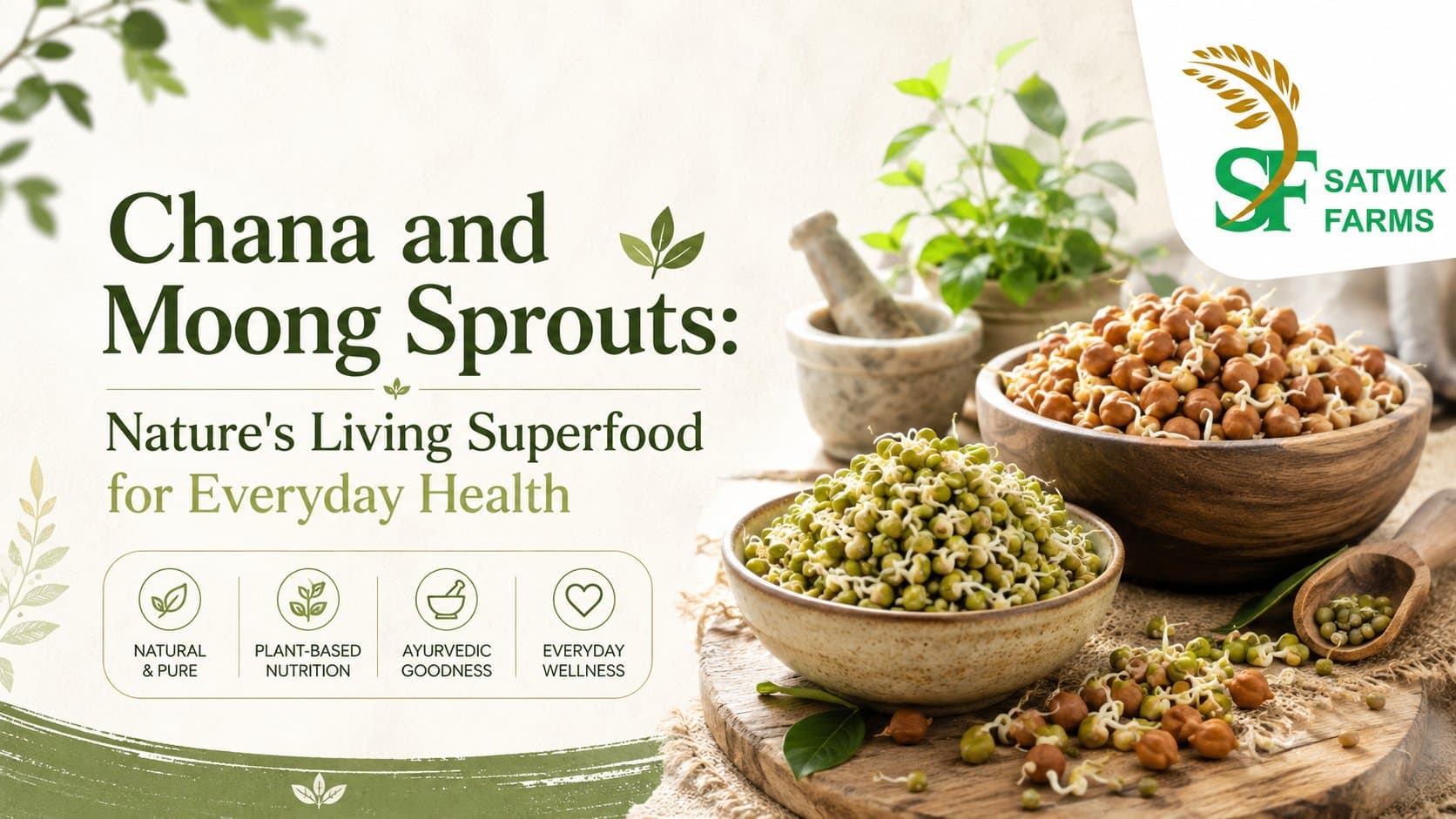
In the world of traditional Indian nutrition, few foods are as simple, affordable, and powerful as sprouts. Chana (Bengal gram) and moong (green gram) sprouts have been part of Indian households for centuries. Today, modern nutritional science confirms what traditional wisdom has long understood: sprouting transforms ordinary legumes into highly bioavailable, nutrient-rich living foods.
At Satwik Farms, we believe that food should nourish, heal, and energise. Fresh chana and moong sprouts represent this philosophy perfectly. They are living foods packed with enzymes, vitamins, minerals, antioxidants, and plant proteins that may support digestion, metabolism, immunity, and overall vitality.
What Are Sprouts?
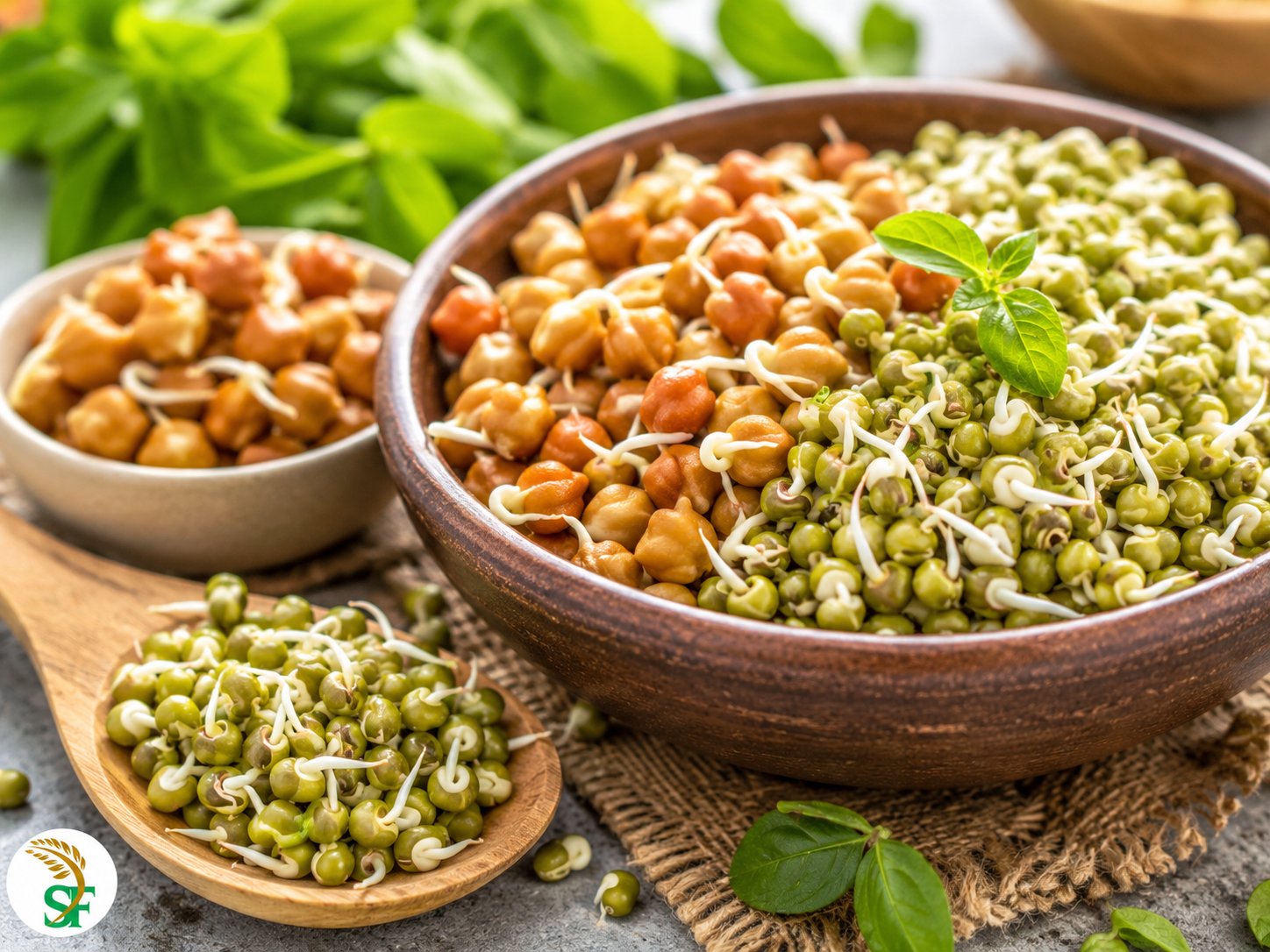
Sprouts are seeds or legumes that have begun the process of germination. When whole moong or chana is soaked and allowed to germinate under controlled conditions, several biochemical changes occur:
- Complex carbohydrates begin breaking down
- Protein digestibility improves
- Anti-nutrients decrease
- Vitamin content increases
- Enzyme activity rises
- Minerals become more bioavailable
This transformation converts dormant seeds into living foods rich in active nutrients.
A Brief History of Sprouting
Sprouting has been practised for thousands of years. Ancient Indian households traditionally soaked legumes overnight before consumption, and Ayurveda recognised germinated grains and pulses as foods that enhanced vitality.
Chinese medicine used sprouts medicinally as early as 3,000 years ago. Modern nutrition science began studying sprouts extensively during the twentieth century, documenting their remarkable increase in nutrient density. Today, sprouts are considered among the most nutrient-dense foods available.
Nutritional Value of Moong and Chana Sprouts
Moong Sprouts (Approximate per 100 g)
| Nutrient | Amount |
|---|---|
| Calories | 30–35 kcal |
| Protein | 3–4 g |
| Carbohydrates | 5–6 g |
| Dietary Fibre | 1.8–2 g |
| Fat | 0.2 g |
| Vitamin C | 13–15 mg |
| Folate | 60–70 mcg |
| Iron | 0.9 mg |
| Magnesium | 20–25 mg |
| Potassium | 150–170 mg |
| Calcium | 13 mg |
Chana Sprouts (Approximate per 100 g)
| Nutrient | Amount |
|---|---|
| Calories | 120–140 kcal |
| Protein | 7–9 g |
| Carbohydrates | 20–24 g |
| Dietary Fibre | 5–6 g |
| Fat | 2–3 g |
| Iron | 2–3 mg |
| Magnesium | 40–50 mg |
| Potassium | 250–300 mg |
| Zinc | 1–1.5 mg |
| Folate | 100–120 mcg |
Why Are Sprouts Better Than Unsprouted Pulses?
Sprouting significantly improves nutritional quality in several key ways.
1. Increased Vitamin Content
Vitamin C is virtually absent in dry pulses but develops during germination. Sprouting also increases B-complex vitamins, folate, and antioxidants.
2. Better Protein Digestibility
Enzymes partially break down proteins during germination, improving amino acid availability and reducing digestive heaviness.
3. Reduced Anti-Nutrients
Raw legumes contain phytic acid, tannins, and trypsin inhibitors that interfere with mineral absorption. Sprouting reduces these compounds significantly, enhancing bioavailability of iron, zinc, calcium, and magnesium.
4. Lower Glycemic Response
Sprouted legumes tend to produce a slower rise in blood glucose compared with processed refined foods, thanks to their combination of fibre, protein, and resistant starch.
5. Enhanced Enzyme Activity
The sprouting process makes nutrients easier for the body to utilise.
Ayurvedic Perspective on Sprouts
Ayurveda emphasises the qualities (Guna), taste (Rasa), energy (Virya), and post-digestive effect (Vipaka) of foods.
Moong Sprouts
Moong is considered one of the best legumes in Ayurveda.
| Property | Moong |
|---|---|
| Rasa | Madhura and Kashaya |
| Guna | Laghu (light) |
| Virya | Sheeta (cooling) |
| Vipaka | Madhura |
Moong sprouts are easy to digest, support gentle detoxification, balance Pitta and Kapha, and are particularly useful during recovery from illness.
Chana Sprouts
Chana is nourishing and strengthening.
| Property | Chana |
|---|---|
| Rasa | Kashaya and Madhura |
| Guna | Guru (heavier), Ruksha (dry) |
| Virya | Slightly cooling |
| Vipaka | Katu |
Chana builds strength, enhances stamina, and supports muscle tissue. Because chana can increase Vata in some individuals, Ayurveda recommends using digestive spices, eating moderate portions, and lightly steaming for those with weaker digestion.
Modern Scientific Evidence
Improved Nutrient Availability
Studies have demonstrated that sprouting reduces phytic acid content, improving absorption of iron, zinc, magnesium, and calcium.
Antioxidant Activity
Research indicates sprouted legumes contain increased levels of polyphenols, flavonoids, and vitamin C, which may help neutralise free radicals and reduce oxidative stress.
Blood Sugar Management
Clinical studies suggest legumes may help improve glycaemic control because of their low glycaemic index, fibre content, resistant starch, and plant protein. Regular consumption has been associated with improved insulin sensitivity. This is not a substitute for prescribed diabetes treatment.
Cardiovascular Support
Regular legume intake has been associated with reduced LDL cholesterol, improved lipid profiles, and better weight management. This effect is attributed to soluble fibre and phytochemicals.
Gut Health
Sprouts provide prebiotic fibres that nourish beneficial gut bacteria. A healthy microbiome supports digestion, immunity, nutrient synthesis, and mental well-being.
Key Health Benefits
1. Excellent Plant Protein Source Together, chana and moong provide balanced vegetarian protein to support muscle repair, growth, enzyme production, and hormone synthesis.
2. Improved Digestion Their fibre may support regular bowel movements, improved stool bulk, and reduced bloating when introduced gradually.
3. Weight Management Support High satiety value helps reduce overeating. Sprouts provide protein, fibre, and low energy density in combination.
4. Immune Support Vitamin C, zinc, and antioxidants may support immune defences.
5. Better Energy Levels Iron and folate contribute to healthy red blood cell production, which may help reduce fatigue related to nutritional deficiencies.
6. Skin and Hair Health Zinc, protein, vitamin C, and folate may support collagen formation and tissue repair.
Sprouts and Common Health Conditions
Constipation
Sprouts may be beneficial due to their fibre content. They can increase stool bulk, promote bowel regularity, and support healthy gut bacteria. Begin with small portions and consume with adequate water. If you have persistent or severe constipation, please consult a doctor.
Diabetes
Sprouts can be a supportive addition to a diabetic diet — not a substitute for prescribed diabetes treatment. Continue your medication and check with your doctor before making dietary changes. Their low glycaemic load, high fibre, and improved satiety can complement a balanced eating plan. A suggested portion is 50–100 g per serving. Avoid adding sugary dressings.
Note for diabetes patients: Sprouts may modestly affect blood glucose. Continue glucose-lowering medications as prescribed and monitor levels regularly.
Thyroid Disorders
Sprouts are generally safe for most thyroid patients in moderate amounts. Individuals with hypothyroidism should ensure adequate iodine and selenium intake and take thyroid medication as prescribed. There is no strong evidence that moderate intake of moong or chana sprouts adversely affects thyroid function. Light steaming may be preferred by sensitive individuals.
Iron Deficiency and Anaemia
Sprouting improves iron bioavailability, and the vitamin C that develops during germination further enhances absorption. Pairing sprouts with lemon juice, amla, or fresh vegetables can maximise benefits. Severe anaemia requires medical evaluation and treatment.
Protein Deficiency
Sprouts help bridge the protein gap for vegetarians by providing high-quality plant protein with better digestibility and essential amino acids. Combining sprouts with cereals improves amino acid balance.
High Cholesterol
Regular legume intake may help lower LDL cholesterol and improve lipid metabolism, attributed to soluble fibre and phytochemicals.
Obesity and Weight Management
Because they are filling yet nutrient-dense, sprouts may help reduce cravings, improve meal quality, and support calorie control.
How Much Sprouts Should You Eat Daily?
| Group | Suggested Daily Amount |
|---|---|
| Healthy adults | 50–100 g (approx. ½–1 cup) |
| Active individuals | 75–150 g |
| Children | 2–4 tbsp, increasing gradually |
| Elderly | 50–75 g, lightly steamed |
| Sensitive digestion | 1–2 tbsp to start, increase slowly |
Raw or Cooked?
Raw sprouts preserve maximum vitamins and offer a crisp texture, but may be difficult for weak digestion and require careful hygiene.
Lightly steamed sprouts are easier to digest, have a reduced microbial risk, and are better tolerated by elderly individuals.
From an Ayurvedic perspective, lightly steamed sprouts with digestive spices are often preferred.
Ayurvedic Spices to Enhance Digestibility
Adding the following reduces Vata and improves Agni (digestive fire):
- Roasted cumin
- Ginger
- Black pepper
- Rock salt
- Lemon juice
- Coriander leaves
- Hing (asafoetida)
Satwik Ways to Enjoy Sprouts
Sprout Salad — Mix with cucumber, tomato, carrot, lemon, and coriander.
Warm Sprout Stir — Lightly steam and season with cumin, ginger, and turmeric.
Sprout Chaat — Add onion, tomato, mint, roasted cumin, and lemon.
Sprout Soup — Blend lightly cooked sprouts into nourishing soups.
Sprout Stuffing — Use in sandwiches, wraps, and parathas.
Precautions
- Always prepare sprouts hygienically — wash thoroughly before use and refrigerate properly.
- Do not consume spoiled sprouts.
- Pregnant women, elderly individuals, and immunocompromised persons should prefer cooked sprouts.
- Introduce gradually if you are prone to gas and bloating.
- If you have a pre-existing medical condition or take medication, consult your healthcare provider before significantly increasing legume intake.
The Satwik Perspective: Living Foods for a Living Body
Satwik nutrition emphasises foods that are fresh, vibrant, minimally processed, and life-enhancing. Chana and moong sprouts perfectly embody these principles.
They are affordable yet nutrient-dense, traditional yet scientifically validated, simple yet profoundly beneficial, and nourishing without heaviness. In a world dominated by ultra-processed foods, returning to humble living foods like sprouts can transform health from the inside out.
Conclusion
Chana and moong sprouts are among the most complete natural foods available. Through the simple process of germination, these legumes become richer in vitamins, easier to digest, and more effective at supporting metabolic health.
Whether your goal is improving digestion, managing blood sugar, preventing constipation, addressing nutritional deficiencies, supporting heart health, or simply enhancing daily vitality, sprouts deserve a regular place on your plate.
A daily serving of 50–100 g of hygienically prepared moong and chana sprouts, ideally combined with digestive spices and seasonal vegetables, can provide remarkable health benefits. At Satwik Farms, we believe that true wellness begins with simple, traditional foods prepared with care and consumed with mindfulness.
This article is for general educational purposes only and is not a substitute for professional medical advice, diagnosis or treatment. If you have an existing medical condition (especially diabetes, hypothyroidism, anaemia, or digestive disorders), or are taking any medication, or are pregnant or breastfeeding, please consult your healthcare provider before making significant changes to your diet.
Related Reading
If you found this helpful, you may also like:
- Microgreens: A Satwik Superfood Backed by Science & Ayurveda
- Tofu: Benefits, Nutrition, Ayurveda & How Much to Eat Daily
- Gut Health: Ayurveda & Modern Science Guide
- Chana Sattu: The Traditional Protein-Rich Superfood for Modern Living
- Flax Seeds: Superfood Benefits, Nutrition & How to Use Them
- Methi (Fenugreek) Sprouts: Benefits, Nutrition & How to Eat Them