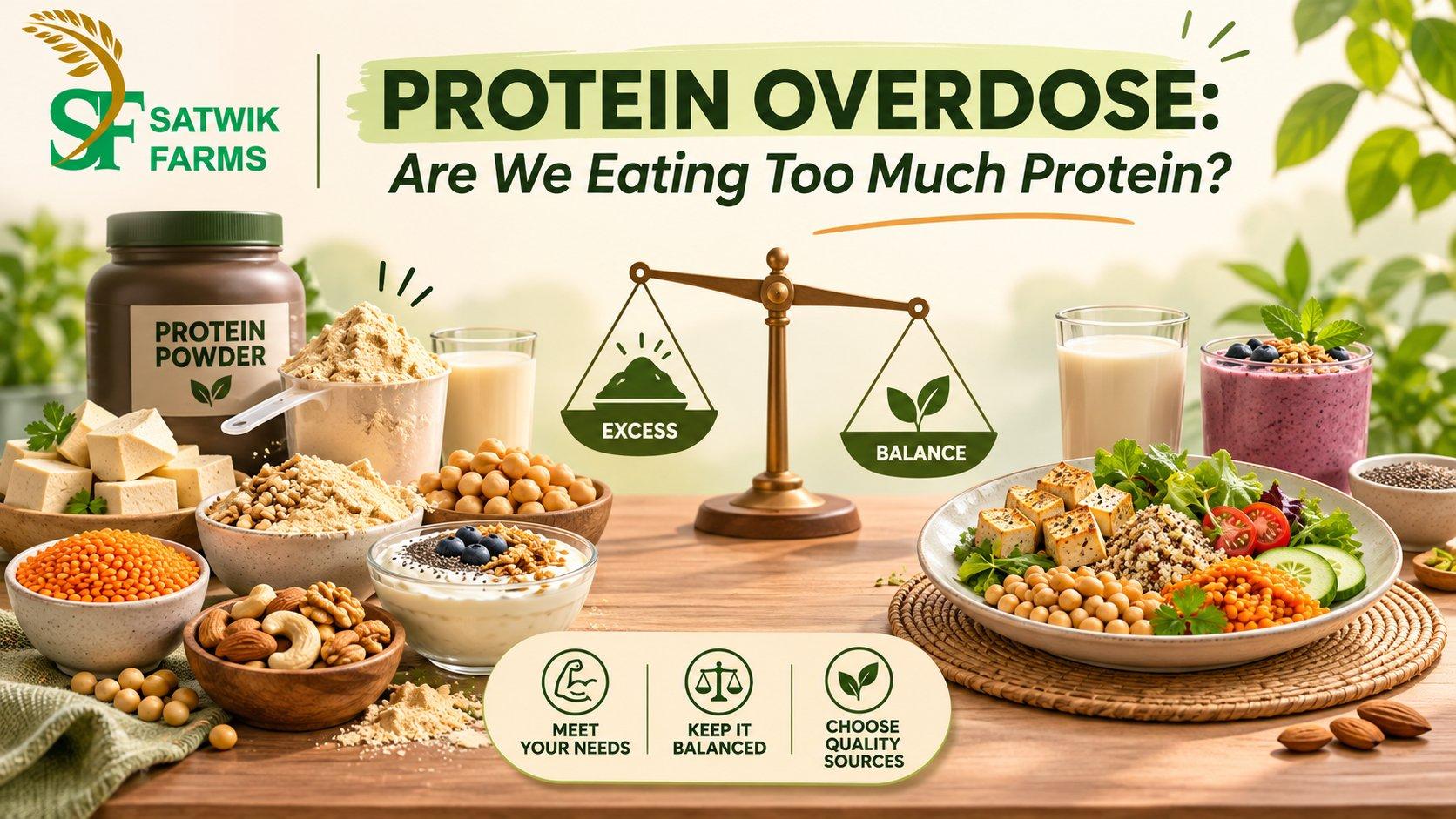
The new protein obsession, diabetes, weight loss and the hidden risks of excessive protein consumption
Eat Smart. Eat Balanced. Don't Fall for Nutrition Fads.
Introduction: The New Obsession With Protein
Walk into any supermarket, health-food store or gym today, and one trend is impossible to miss: protein.
High-protein breakfast cereals, protein bars, protein shakes, protein-enriched flour, protein cookies, protein supplements and even protein-fortified water are being aggressively marketed. Social media influencers, fitness coaches and nutrition enthusiasts increasingly recommend high-protein diets for almost everyone.
The message is simple:
- Want to lose weight? Eat more protein.
- Have diabetes? Increase protein and reduce carbohydrates.
- Want to reduce belly fat? Eat more protein.
- Getting older? You need more protein.
- Want to build muscle? Take protein supplements.
- Want to control hunger? Replace regular meals with protein shakes.
There is some scientific truth behind these recommendations. Protein is essential for muscle maintenance, tissue repair, immune function and numerous metabolic processes.
However, a crucial question is being overlooked: does the human body actually need all the additional protein we are consuming?
More importantly, what happens when protein intake exceeds our actual physiological requirements — particularly in people who lead sedentary lifestyles, have diabetes, are overweight or have reduced kidney function?
Are we improving our health, or simply following another nutritional fad? Let's examine what scientific research actually tells us about the harmful effects of excessive protein intake — and how much protein the body really needs.
1. Understanding Protein: Why Does Our Body Need It?
Protein is one of the three essential macronutrients, alongside carbohydrates and fats. It is made up of amino acids, which are required for:
- Building and repairing muscles
- Maintaining skin, hair, nails and connective tissues
- Producing enzymes and hormones
- Supporting immune-system function
- Maintaining healthy bones and tissues
- Transporting oxygen and other substances throughout the body
- Maintaining normal cellular functions
What happens to protein the body doesn't need?
Unlike carbohydrates and fats, the body does not have a specialised storage reserve for excess dietary protein. When we eat more protein than the body requires, the excess amino acids are broken down:
- Their nitrogen is converted mainly into urea in the liver and eliminated through the kidneys.
- The remaining carbon skeletons can be used for energy or converted into other metabolic products.
This is an important distinction. The body needs sufficient protein, but it does not necessarily benefit from unlimited protein.
2. How Much Protein Does an Average Adult Actually Need?
One of the most important scientific benchmarks is the Recommended Dietary Allowance (RDA). For most healthy adults, the commonly accepted RDA is:
0.8 grams of protein per kilogram of body weight per day
This is the established adult reference requirement used by major nutritional authorities. For example:
| Body weight | Daily protein requirement |
|---|---|
| 50 kg | 40 g |
| 55 kg | 44 g |
| 60 kg | 48 g |
| 65 kg | 52 g |
| 70 kg | 56 g |
| 75 kg | 60 g |
| 80 kg | 64 g |
| 85 kg | 68 g |
| 90 kg | 72 g |
| 100 kg | 80 g |
These figures are general reference calculations for healthy adults.
Importantly, the RDA is designed to meet the requirements of nearly all healthy individuals. It is not a maximum safe limit — nor does it mean that everyone must eat substantially more.
People living with obesity should not automatically calculate their protein needs from their entire actual body weight. An ideal or adjusted body weight may be more appropriate, depending on the clinical circumstances.
What does the World Health Organization say?
The WHO's Healthy diet fact sheet states that protein at 10–15% of total daily energy intake is generally sufficient to meet the needs of adults. For a person of healthy body weight eating about 2,000 calories a day, that is approximately 50–75 grams of protein.
The WHO also cautions that consuming excessive amounts of protein can place a metabolic burden on the body, particularly on the kidneys.
Source: WHO — Healthy diet fact sheet
3. Protein Requirements According to Age
Protein requirements are not identical throughout life. Children need protein for growth and development. Adults need it for maintenance and repair. Older adults may need somewhat more to counteract age-related muscle loss.
| Age group | General protein guidance |
|---|---|
| 1–3 years | About 1.05 g/kg/day |
| 4–8 years | About 0.95 g/kg/day |
| 9–13 years | About 0.95 g/kg/day |
| 14–18 years | About 0.85 g/kg/day |
| 19–64 years | About 0.8 g/kg/day |
| 65 years and above | At least 1.0–1.2 g/kg/day may be beneficial |
The childhood and adolescent figures are based on age-specific dietary reference values. The older-adult range reflects expert guidance rather than a universally revised RDA.
Why might older people need more protein?
After about 50–60 years of age, the body gradually becomes less efficient at converting dietary protein into muscle tissue. This is partly linked to a phenomenon known as anabolic resistance. As a result, older adults may experience:
- Loss of muscle mass
- Reduced physical strength
- Slower recovery from illness
- Increased risk of falls
- Reduced mobility
- Greater vulnerability to frailty
The PROT-AGE Study Group recommends an average intake of at least 1.0–1.2 g/kg/day for healthy adults above 65, together with endurance and resistance exercise at a level that is safe for the individual. Older people with severe kidney disease who are not on dialysis are an exception: they may need to limit protein, so their intake should be set individually with their doctor.
Scientific publication: Bauer et al., 2013. Evidence-Based Recommendations for Optimal Dietary Protein Intake in Older People: A Position Paper From the PROT-AGE Study Group. Journal of the American Medical Directors Association.
An important observation: older people need sufficient protein, but protein without physical activity cannot fully prevent age-related muscle loss.
4. The New Trend: High-Protein Diets for Diabetes
Perhaps the most interesting development is the growing popularity of high-protein diets among people with type 2 diabetes.
The reasoning appears straightforward. Carbohydrates raise blood glucose after meals. Protein generally has a smaller immediate effect on blood glucose. So replacing carbohydrates with protein looks like an attractive strategy.
But is it the right long-term solution?
What happens when protein replaces carbohydrates?
A balanced reduction in refined carbohydrates can help improve blood glucose management. For example, replacing sugary drinks, sweets, refined-flour products and highly processed snacks with legumes, vegetables, whole grains and appropriate protein sources can be beneficial.
However, completely shifting the dietary balance towards protein is not necessarily an advantage:
- Protein can stimulate insulin secretion, and certain amino acids also influence glucose metabolism.
- Excessive protein may increase the metabolic workload of nitrogen disposal.
What does the American Diabetes Association say?
The American Diabetes Association's 2026 Standards of Care make an important observation: there is no evidence that adjusting daily protein intake above or below the amount recommended for the general public (typically 0.8–1.5 g/kg/day) will improve health, and research is inconclusive on the ideal amount of protein for glycaemic management or cardiovascular risk.
Some research has found successful management of type 2 diabetes with meal plans containing slightly more protein (20–30% of calories), which may help increase satiety. So protein goals, the ADA says, should be individualised. This is particularly important for people with diabetes who may already have reduced kidney function.
Source: American Diabetes Association — Standards of Care in Diabetes 2026, Section 5
Diabetes and kidney health: an important connection
Diabetes is one of the leading causes of chronic kidney disease (CKD), and a person can have reduced kidney function without any obvious symptoms.
The kidneys are responsible for eliminating urea and the other waste products of protein metabolism. When kidney function declines, excessive protein intake can become particularly problematic.
The 2026 ADA recommendations state that for people with diabetes and stage G3 or higher chronic kidney disease, protein intake should be 0.8 g/kg/day — the same as for the general population. Intakes above 1.3 g/kg/day should be avoided, and cutting below 0.8 g/kg/day is not recommended either. For people with diabetes who are not on dialysis, eating substantially more protein is not automatically beneficial. (People on dialysis are different: around 1.0–1.2 g/kg/day may be advised, because protein–energy wasting is a major problem for some people on dialysis.)
Source: ADA 2026 — Chronic Kidney Disease and Risk Management, Section 11
Our conclusion: diabetes does not automatically mean a person needs a high-protein diet. Good carbohydrate quality, adequate fibre, appropriate protein, healthy fats and calorie management matter far more than simply eating more protein.
Important: a high-protein diet is not a diabetes treatment and is not a substitute for prescribed medication. If you take insulin or blood-sugar-lowering tablets such as sulfonylureas (for example gliclazide or glimepiride), sharply cutting carbohydrates to make room for more protein can push your blood sugar too low (hypoglycaemia). Continue your medication and talk to your doctor or dietitian before making major changes — your doses may need adjusting.
5. Can High-Protein Diets Really Help With Weight Loss?
There is scientific evidence supporting a moderately higher protein intake during weight loss. Protein has three useful properties:
- Increased satiety. Protein generally produces greater fullness than the same calories from refined carbohydrates.
- A higher thermic effect. The body uses more energy to digest and metabolise protein than it does to process carbohydrates and fats.
- Muscle preservation. During calorie restriction, adequate protein can help reduce the loss of lean muscle mass.
These are genuine benefits. However, there is an important difference between eating sufficient protein for weight management and eating excessive amounts.
A 2026 systematic review and meta-analysis published in the American Journal of Clinical Nutrition examined 33 studies involving 2,135 participants with overweight or obesity. It found that higher protein intake during calorie-restricted weight loss helped preserve fat-free mass and produced a modest additional reduction in fat mass.
The average intake in the higher-protein groups was about 1.25 g/kg/day, compared with 0.79 g/kg/day in the comparison groups. In other words, the benefits of higher protein did not require extreme intakes.
The benefits were also small: on average, about a quarter of a kilogram more fat-free mass was preserved and about 0.7 kg more fat was lost. The authors note that the effect on fat-free mass was smaller than earlier meta-analyses had reported.
Source: Belfield et al., 2026 — American Journal of Clinical Nutrition
But does protein burn belly fat?
No. Protein does not selectively burn abdominal fat.
Fat loss happens mainly when the body maintains an appropriate calorie deficit over time. A person can eat 150 grams of protein a day and still gain weight if their total calorie intake exceeds their energy expenditure.
Protein is not a fat-burning medicine. It is one component of a balanced weight-management strategy.
6. The Biggest Concern: High Protein Intake With a Sedentary Lifestyle
This is perhaps the most overlooked aspect of the current protein trend: protein intake and physical activity should be considered together.
Imagine two individuals:
| Person A | Person B | |
|---|---|---|
| Protein per day | 120 g | 75 g |
| Work and travel | Works at a desk; drives rather than walks | Walks regularly |
| Exercise | Does not exercise | Does resistance exercises |
| Daily pattern | Spends most of the day sitting | Maintains a healthy weight and good muscle strength |
Who is more likely to maintain better muscle function? The answer is not determined by protein intake alone.
Muscle is metabolically active tissue. It responds to mechanical stimulation — particularly resistance exercise. When muscles are regularly challenged through appropriate physical activity, the body receives a signal to maintain and build muscle tissue. Without that stimulus, simply eating more protein does not produce the same results.
What happens in sedentary individuals?
In people who are inactive, excessive protein intake may:
- Add unnecessary calories
- Displace fibre-rich foods
- Encourage dependence on supplements
- Increase the consumption of processed protein products
- Provide little additional muscle-building benefit without exercise
The important principle: protein provides the building material; exercise provides the stimulus to build and maintain muscle. Both matter.
7. Potential Harmful Effects of Excessive Protein Consumption
We must distinguish between scientifically established concerns, plausible mechanisms and risks that remain uncertain. It would be scientifically incorrect to claim that everyone who eats a high-protein diet will develop kidney disease. There are, however, several important concerns.
A. Increased workload on the kidneys
Protein metabolism produces nitrogen-containing waste products, including urea, which the kidneys eliminate. Higher protein intake can increase kidney filtration — a process known as glomerular hyperfiltration.
In healthy individuals, this may be a physiological adaptation rather than kidney damage. However, in people with existing kidney disease — particularly diabetic kidney disease — excessive protein intake may accelerate its progression.
The KDIGO 2024 Chronic Kidney Disease guideline suggests maintaining a protein intake of 0.8 g/kg/day in adults with CKD stages G3–G5, and advises avoiding more than 1.3 g/kg/day in adults with CKD who are at risk of progression.
Source: KDIGO 2024 Clinical Practice Guideline for the Evaluation and Management of Chronic Kidney Disease
B. Increased urea production
When excess protein is broken down, the liver converts its nitrogen into urea, which the kidneys then eliminate. Very high protein intake can raise blood urea nitrogen — particularly relevant for people with reduced kidney function or dehydration.
C. Reduced fibre intake and constipation
One of the most practical concerns with high-protein diets is what they replace. People on restrictive high-protein diets sometimes cut back on:
- Whole grains
- Vegetables
- Fruits
- Pulses and legumes
These foods are important sources of dietary fibre. Too little fibre can contribute to constipation, poor bowel regularity and a less healthy gut microbiome.
A diet should never sacrifice fibre in the pursuit of protein.
D. Increased calorie intake
Protein is not calorie-free: one gram of protein provides about four calories.
Consider someone adding an extra 50 grams of protein a day through shakes, bars and supplements. That adds about 200 calories. If these calories are not balanced elsewhere, they can undermine weight-loss efforts.
E. Possible cardiovascular concerns linked to protein sources
Not all protein sources are nutritionally equal. There is an important difference between getting protein from lentils, beans, chickpeas, soybeans, nuts, seeds and dairy — and getting it from processed meats or high-fat processed animal foods.
Protein-rich foods can also carry saturated fat, sodium and other components that influence heart health. The overall dietary pattern and the food source matter considerably.
F. Bone health: is too much protein harmful?
This subject needs careful interpretation. Older research suggested that high protein intake could increase calcium loss in urine and potentially weaken bones. However, later research has not established that higher protein intake, by itself, causes osteoporosis.
In fact, adequate protein is important for maintaining bone and muscle health. The real priorities are balanced nutrition, sufficient calcium and vitamin D, and appropriate physical activity.
The US Agency for Healthcare Research and Quality's November 2024 systematic review concluded that research since 2000 on the links between protein intake and bone disease, kidney disease and sarcopenia (age-related muscle loss) is insufficient and inconclusive. In other words, there is not yet good evidence either way.
Source: AHRQ — The Effect of Protein Intake on Health: A Systematic Review (2024)
Scientific interpretation: we should neither promote unlimited protein consumption nor create unnecessary fear about moderate increases in healthy individuals.
8. Protein Supplements: Are They Really Necessary?
Protein supplements have become a multibillion-dollar industry. Whey protein, casein, soy protein, pea protein and various blended powders are marketed as essential parts of a healthy lifestyle.
But are they necessary? For most healthy individuals, the answer is no. A person eating a balanced diet with enough protein from ordinary foods generally does not need protein supplements.
Supplements may be useful in certain situations:
- Athletes with higher protein requirements
- Older adults whose diet falls short
- People recovering from illness or surgery
- Individuals with increased nutritional requirements
- People unable to meet their needs through ordinary food
Even then, supplements should not replace a balanced diet.
Potential problems with excessive supplement use
Some commercial products may contain:
- Added sugars
- Artificial sweeteners
- Excessive flavouring agents
- High sodium
- Unnecessary additives
- Inadequate quality control
Many powders and bars also contain common allergens such as milk (whey and casein), soy, nuts or gluten.
Consumers should also distinguish between the weight of the powder and the protein it actually provides — a 30-gram scoop of powder does not necessarily contain 30 grams of protein. Always read the nutrition label.
9. Vegetarian Protein: Can We Meet Our Requirements Naturally?
Absolutely. A common misconception is that vegetarians cannot get enough protein without supplements. A well-planned vegetarian diet can provide adequate protein. Some excellent sources:
| Food | Approximate protein |
|---|---|
| 100 g cooked lentils | 9 g |
| 100 g cooked chickpeas | 9 g |
| 100 g cooked kidney beans | 8–9 g |
| 100 g firm tofu | 10–15 g |
| 250 ml milk | 8 g |
| 100 g plain yoghurt | 3–4 g |
| 100 g cooked soybeans | 16–18 g |
| 30 g almonds | 6 g |
| 30 g pumpkin seeds | 9 g |
| 30 g peanuts | 7–8 g |
| 100 g cooked green peas | 5 g |
Values are approximate and vary with the food variety, preparation and water content.
Why traditional Indian foods deserve more attention
Traditional Indian vegetarian food provides an excellent combination of protein, fibre and micronutrients. Examples include:
- Dal and roti
- Rajma and rice
- Chole
- Sprouted moong
- Mixed pulses
- Soybean preparations
- Besan-based foods and chana sattu
- Tofu
- Milk and curd
- Nuts and seeds
Combining cereals and pulses through the day helps provide a complementary amino-acid profile. There is no need to combine every amino acid perfectly in every meal — a varied diet over the course of the day is generally sufficient.
The objective should be nutritional completeness, not chasing the highest protein number.
For a full comparison of plant and animal protein, covering quality, health effects and environmental footprint, see Vegetarian vs Non-Vegetarian Protein: Which Is Better?
10. How Should a Sedentary Person Structure Daily Protein Intake?
For a generally healthy adult who is not doing intensive physical activity, about 0.8 g/kg/day is a reasonable starting reference. Older adults may benefit from a higher intake, provided kidney function and overall health permit.
It also makes sense to spread protein across meals rather than eating almost all of it at dinner. For example, a healthy 70 kg adult aiming for about 56–65 grams a day could get it like this:
| Meal | Food | Approximate protein |
|---|---|---|
| Breakfast | Milk and sprouts | 15 g |
| Lunch | Dal, roti and curd | 20 g |
| Evening | Roasted chana | 7 g |
| Dinner | Tofu or mixed pulses with vegetables | 18 g |
| Total | 60 g |
This is only an illustrative meal pattern. Portions and food choices should be adjusted to individual calorie, carbohydrate and medical needs. For people with diabetes, the accompanying carbohydrate portions are particularly important.
11. What Matters More Than Simply Increasing Protein?
A healthy diet is not built around one nutrient. Protein, carbohydrates, fats, vitamins, minerals, fibre and water all have important functions. Instead of following a high-protein fad, consider these six principles:
- Eat sufficient protein, not excessive protein. Work out your requirement based on age, body composition, activity and medical condition.
- Prioritise natural protein sources. Choose pulses, legumes, soy products, dairy, nuts and seeds according to your dietary preferences.
- Maintain adequate fibre intake. Vegetables, fruits, whole grains and pulses are essential.
- Control total calorie intake. Weight management depends on overall energy balance.
- Exercise regularly. Walking, resistance exercises and appropriate strength training help maintain muscle mass and metabolic health.
- Monitor kidney health when medically indicated. People with diabetes, high blood pressure or existing kidney disease should pay particular attention to kidney function.
12. What Does the Scientific Evidence Actually Tell Us?
It is more useful to examine the published research than to rely on social-media claims. Here are five particularly relevant publications:
| Scientific publication | Main findings |
|---|---|
| WHO Healthy diet fact sheet | 10–15% of energy from protein is generally sufficient for adults. |
| PROT-AGE Study Group, 2013 | Older adults may benefit from at least 1.0–1.2 g/kg/day to maintain muscle and physical function. |
| AHRQ Systematic Review, November 2024 | Evidence linking protein intake to kidney disease, bone disease and sarcopenia is insufficient and inconclusive. |
| ADA Standards of Care, 2026 | No evidence that raising or lowering protein beyond the general recommendation improves health in diabetes; goals should be individualised. |
| American Journal of Clinical Nutrition, 2026 | Moderately higher protein intake during calorie restriction can help preserve lean body mass, though the effect is small. |
The most important lesson from these publications is that protein requirements are individual. They depend on age, kidney function, nutritional status, physical activity and overall diet quality. A higher intake can be useful in certain circumstances, but there is no universal justification for extreme protein consumption.
13. Our Recommendations: A Balanced Approach to Protein
At Satwik Farms, we believe good nutrition should be based on balance, natural foods and scientific understanding — not on every trend promoted by the food and supplement industry.
Protein is essential. But so are dietary fibre, vitamins, minerals, healthy fats and complex carbohydrates. For most people, these principles provide a sensible approach:
| Category | Practical recommendation |
|---|---|
| Sedentary healthy adults | Around 0.8 g/kg/day |
| Moderately active adults | About 0.8–1.2 g/kg/day, depending on needs |
| Healthy adults above 65 | At least 1.0–1.2 g/kg/day may be beneficial |
| People doing regular strength training | An individualised higher intake may be appropriate |
| People with diabetes | Individualised; high protein is not a diabetes treatment |
| People with chronic kidney disease | Follow medical and renal-dietitian guidance |
These are general nutritional reference ranges, not prescriptions for everyone.
A person with diabetes, high blood pressure, obesity or existing kidney disease should not start a high-protein diet without considering kidney function and other medical factors. For people with diabetes, a periodic check of eGFR (estimated glomerular filtration rate) and UACR (urine albumin-to-creatinine ratio) is particularly important.
Who should take extra care
- Kidney disease (any stage): follow the protein target set by your doctor or renal dietitian, and don't start a high-protein diet or supplements on your own.
- Diabetes medication: if you take insulin or sulfonylureas, swapping carbohydrates for protein can lower blood sugar more than expected. Ask your doctor whether your doses need adjusting before you change your diet.
- Pregnancy and breastfeeding: protein needs rise during these stages. Meet them with nourishing everyday foods, and check with your doctor before using protein powders.
- Children and teenagers: a varied diet almost always covers their needs. Protein supplements are rarely necessary and should only be given on a paediatrician's advice.
- Food allergies: read supplement labels carefully for milk, soy, nuts and gluten, and stop any product that causes a reaction.
- Certain medicines: large protein meals can reduce the absorption of some medicines — for example levodopa for Parkinson's disease. Ask your doctor or pharmacist about timing.
14. The Final Message: Don't Confuse More With Better
The modern nutrition industry has created the impression that protein is the answer to almost every health problem:
- Want to lose weight? Increase protein.
- Want to control diabetes? Increase protein.
- Want to stay young? Increase protein.
- Want to build muscle? Increase protein.
But human nutrition is far more complicated.
- Protein cannot compensate for a sedentary lifestyle.
- Protein cannot independently reverse diabetes.
- Protein cannot replace exercise.
- Protein cannot guarantee weight loss.
And excessive protein consumption is not necessarily better than adequate protein consumption. For someone who spends most of the day sitting, eating more protein while neglecting physical activity, vegetables, whole grains and fibre may be a particularly poor nutritional strategy.
It is time to move away from the obsession with individual nutrients and return to a more balanced way of eating:
Eat natural foods. Maintain a healthy weight. Stay physically active. Consume sufficient protein. Protect your kidneys. Never sacrifice dietary balance for a nutritional fad.
At Satwik Farms, our philosophy is simple:
Eat Natural. Live Healthy. Live Satwik.
Good health is not achieved by eating more of one nutrient. It is achieved by giving the body everything it needs, in the right quantity, at the right time.
Scientific References and Further Reading
Readers interested in examining the evidence can consult these original publications and guidelines:
- World Health Organization (2026): Healthy diet — fact sheet.
- Bauer J, et al. (2013): Evidence-Based Recommendations for Optimal Dietary Protein Intake in Older People: A Position Paper From the PROT-AGE Study Group. Journal of the American Medical Directors Association, 14(8).
- Agency for Healthcare Research and Quality (2024): The Effect of Protein Intake on Health: A Systematic Review. AHRQ Publication No. 24(25)-EHC029.
- American Diabetes Association (2026): 5. Facilitating Positive Health Behaviors and Well-being to Improve Health Outcomes: Standards of Care in Diabetes—2026. Diabetes Care, 49(Suppl. 1).
- American Diabetes Association (2026): 11. Chronic Kidney Disease and Risk Management: Standards of Care in Diabetes—2026. Diabetes Care, 49(Suppl. 1).
- KDIGO (2024): Clinical Practice Guideline for the Evaluation and Management of Chronic Kidney Disease. Kidney International, 105(4S).
- Belfield AE, et al. (2026): A higher dietary protein intake preserves fat-free mass during energy restriction-induced weight loss in individuals with overweight or obesity: a systematic review, meta-analysis, and meta-regression. American Journal of Clinical Nutrition.
This article is for general educational purposes only and is not a substitute for professional medical advice, diagnosis or treatment. If you have an existing medical condition (especially diabetes, kidney disease, high blood pressure or heart disease), or are taking any medication, or are pregnant or breastfeeding, please consult your healthcare provider before making significant changes to your diet.
Related Reading
More on balanced, natural nutrition from Satwik Farms:
- Tofu: Benefits, Nutrition, Ayurveda & How Much to Eat Daily
- Chana Sattu: The Traditional Protein-Rich Superfood for Modern Living
- Vegetarian vs Non-Vegetarian Protein: Which Is Better for Health, Animals & the Environment?
- Walking for Health: Benefits, Best Time, Steps Per Day & the Ayurvedic View
- Understanding Glycemic Index: Your Guide to Better Blood Sugar Management