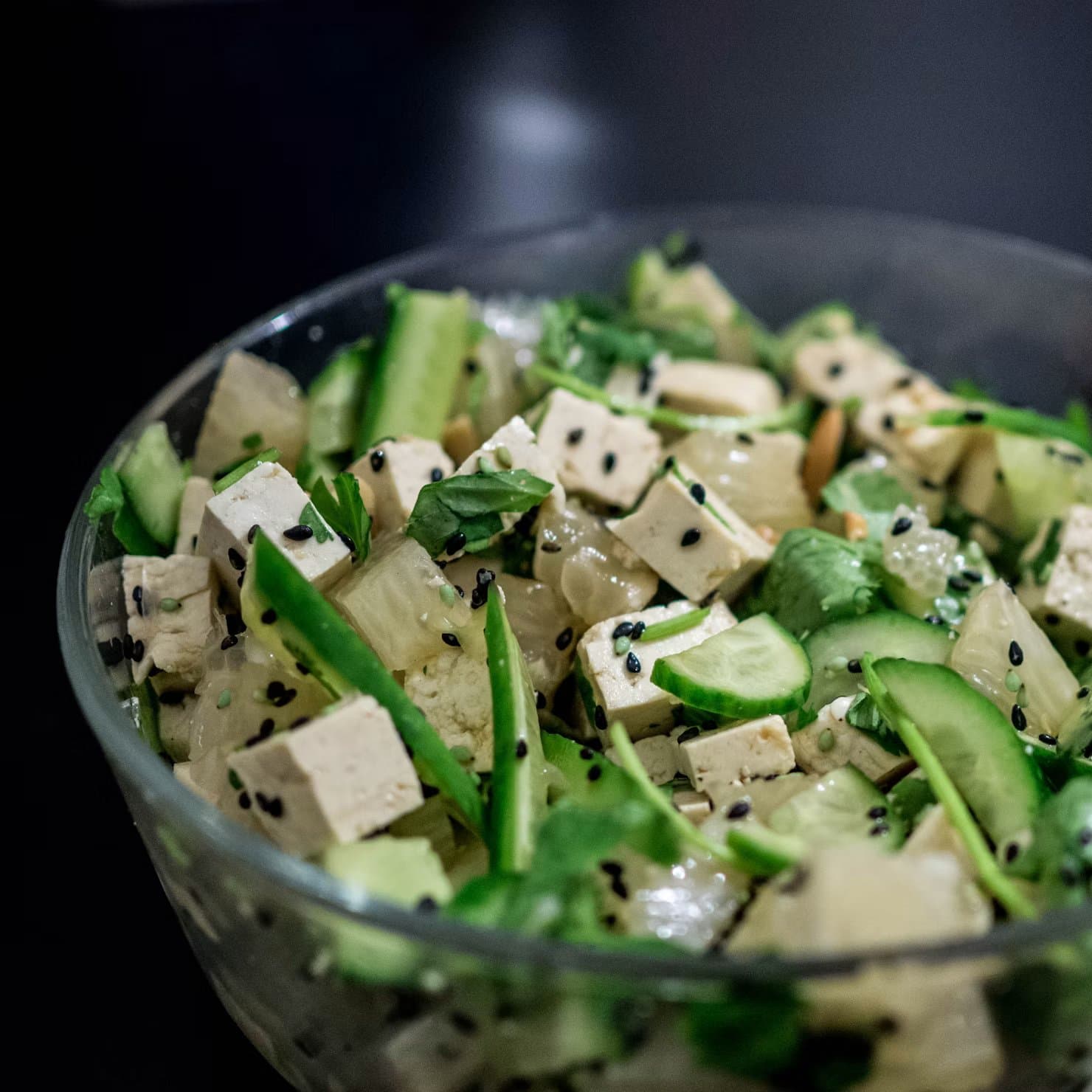
Tofu, often called "bean curd," is one of the most nutritious plant-based foods available today. Made from soybeans, tofu has been eaten for over 2,000 years and is valued for its high-quality protein, versatility and wide range of health benefits. In recent years it has become a global favourite among vegetarians, vegans, fitness enthusiasts and anyone looking for a clean, sustainable source of protein.
From a Satwik lifestyle perspective, tofu is a calm, nourishing, wholesome food when prepared naturally — without deep-frying, excess spice or artificial additives. It offers a gentle, non-violent alternative to animal protein while supporting balanced nutrition.
A Brief History of Tofu
The origins of tofu trace back to ancient China around 200 BCE, during the Han Dynasty. According to historical records, Chinese cooks discovered that coagulating soy milk with natural mineral salts produced a soft, protein-rich curd.
Over the centuries tofu spread across East Asia, becoming a staple in Japan, Korea, Vietnam and beyond. Buddhist monks embraced it especially warmly, because it delivered high-quality protein while honouring a vegetarian way of life — much the same spirit in which we recommend it today.
Now tofu is eaten worldwide and is increasingly recognised as a sustainable protein with a far smaller environmental footprint than animal-based proteins.
Nutritional Profile of Tofu
Tofu's exact numbers vary with firmness, brand and how it is set (calcium-set tofu is much richer in calcium). The values below are approximate, per 100 g.
| Nutrient | Amount (approx. per 100 g) |
|---|---|
| Calories | 75–90 kcal |
| Protein | 8–10 g |
| Fat | 4–5 g |
| Saturated fat | 0.6–0.8 g |
| Carbohydrates | 2–3 g |
| Fibre | 1–1.5 g |
| Calcium | 200–350 mg |
| Iron | 1.5–3 mg |
| Magnesium | 30–50 mg |
| Potassium | 120–200 mg |
| Phosphorus | 100–160 mg |
| Zinc | 0.8–1.6 mg |
| Folate | 25–40 mcg |
| Isoflavones | 20–30 mg |
The headline is the protein-to-calorie ratio: a generous portion delivers a lot of protein for very few calories, very little carbohydrate and almost no sugar.
Why Tofu's Protein Stands Out
One of tofu's greatest strengths is the quality of its protein.
Unlike most plant foods, soy protein contains all nine essential amino acids, making it a complete protein — a rarity in the plant kingdom.
- PDCAAS (Protein Digestibility-Corrected Amino Acid Score): around 1.0 — the maximum on the scale
- Comparable to milk and eggs
- Excellent for vegetarians and vegans who may otherwise need to combine foods to get a full amino-acid profile
This makes tofu especially valuable for muscle maintenance, recovery after exercise, healthy ageing and weight management.
Tofu vs paneer: both are pressed curds, but tofu is plant-based and lower in saturated fat, while paneer is dairy-based and higher in calcium and B12. They're complementary, not competing — see our guide to Satwik Paneer: A Fresh, Soft Cottage Cheese.
Health Benefits of Tofu
1. Supports muscle growth and recovery
The complete protein profile can help build lean muscle, slow age-related muscle loss and support post-workout recovery. Active individuals can use tofu as a primary plant protein source.
2. May support heart health
Research suggests that replacing saturated animal fats with soy foods may help reduce LDL ("bad") cholesterol, support healthy blood-vessel function and contribute modestly to healthy blood pressure. Soy protein and isoflavones are the compounds most often credited.
3. May support bone health
Calcium-set tofu is exceptionally rich in calcium. Adequate calcium intake is associated with better bone density and a lower long-term risk of osteoporosis — particularly relevant for older adults and post-menopausal women. (Check the label: not all tofu is calcium-set.)
4. Helpful for weight management
High in protein, moderate in calories and very low in sugar, tofu is naturally filling. Protein-rich foods help curb hunger and support a healthy body composition.
5. May support healthy ageing
Tofu provides antioxidants and phytonutrients that may help reduce oxidative stress and protect cells as part of an overall balanced diet.
What the Science Says About Soy
Soy is one of the most heavily studied foods in nutrition. A balanced reading of the evidence:
- Cholesterol: meta-analyses indicate soy protein can modestly reduce LDL cholesterol and improve some cardiovascular risk markers.
- Blood sugar: studies suggest soy foods may help support insulin sensitivity and glycaemic control as part of a healthy pattern.
- Bone health: soy isoflavones have been studied for a supportive role in bone mineral density, especially in ageing populations — evidence is promising but not conclusive.
- Cancer: current evidence indicates that moderate soy consumption is generally safe and may be associated with a lower risk of certain hormone-related cancers. Soy is not a treatment — think of it as one part of a healthy dietary pattern, not a remedy.
Tofu and Diabetes
Tofu is widely considered a good food for people managing blood sugar, mainly because of its macronutrient profile.
- Low glycaemic impact — very low sugar, minimal carbohydrate and high protein mean a gentle blood-sugar response.
- Better satiety — protein helps reduce hunger and over-eating, which indirectly supports steadier blood sugar.
- Insulin sensitivity — some research suggests soy compounds may positively influence insulin action.
A supportive food — not a substitute for prescribed diabetes treatment. If you take glucose-lowering medication, continue it as prescribed, monitor your levels, and speak with your doctor before making tofu a large, regular part of your diet (a higher-protein, lower-carb pattern can occasionally require a medication adjustment to avoid low blood sugar).
As part of a balanced diabetic plate, roughly 100–200 g of tofu daily pairs well with green vegetables, salads, whole grains and healthy fats. Avoid heavily processed tofu products with added sugars or sauces. For more on building low-spike meals, see Understanding the Glycemic Index.
Tofu and Thyroid Health
This is one of the most common concerns about soy — and one of the most misunderstood.
What current evidence indicates:
- In healthy people with adequate iodine intake, moderate tofu consumption does not appear to cause hypothyroidism.
- Soy may slightly reduce the absorption of thyroid medication (levothyroxine) if taken at the same time.
Practical recommendation: if you take thyroid medication, take it on an empty stomach and wait a few hours before eating tofu or other soy foods. This simple timing gap minimises any interaction. If you have hypothyroidism, keep your iodine intake adequate, take your medication as prescribed, and check with your doctor for guidance tailored to you.
Tofu and Women's Health
Soy contains natural plant compounds called isoflavones — a type of phyto-oestrogen. These are structurally similar to human oestrogen but far weaker in their effect.
For many women, moderate soy intake may be associated with:
- Fewer menopausal symptoms in some individuals
- Support for bone health
- Support for cardiovascular health
Current evidence does not support the popular myth that moderate, food-based tofu intake causes hormonal imbalance in healthy women. That said, because isoflavones are hormonally active, anyone on hormonal therapies (HRT, oral contraceptives, or tamoxifen and similar treatments for hormone-sensitive cancers) should check with their doctor before adding large or concentrated amounts of soy, and should avoid high-dose isoflavone supplements unless advised.
Tofu and Kidney Health
- For people with healthy kidneys, tofu is generally safe and a good source of high-quality plant protein.
- In advanced kidney disease, total protein, potassium and phosphorus often need to be controlled — so tofu should only be included under medical or dietitian supervision.
Tofu and Gut Health
Tofu is usually easier to digest than whole soybeans, because much of the fibre and many of the natural anti-nutritional factors are reduced during processing. Benefits include:
- Better digestibility and protein absorption
- Less of the bloating that whole soybeans can cause
Fermented soy products (like tempeh or miso) may offer additional digestive benefits through their probiotic content. If gut health is your focus, you may enjoy Gut Health: Where Ayurveda Meets Modern Science.
The Ayurvedic Perspective on Tofu
Tofu is not named in the classical Ayurvedic texts, but we can understand it through Ayurvedic principles.
Likely qualities (guna)
- Madhura (sweet) taste
- Guru (slightly heavy)
- Sheeta (cooling) in nature
- Balya (strength-promoting)
- Brimhana (nourishing, building)
Effect on the doshas
- Vata: well-cooked tofu with warming spices — ginger, cumin, black pepper, turmeric, ajwain — helps offset its heaviness and cooling nature.
- Pitta: its cooling quality generally suits Pitta constitutions well.
- Kapha: large amounts may aggravate Kapha. Keep portions moderate and always cook with digestive spices.
The Ayurvedic theme is simple: tofu is nourishing and building, but a little heavy and cool — so cook it warm, spice it well, and don't overdo the quantity.
Tofu in a Satwik Lifestyle
A Satwik diet aims to promote clarity, balance, vitality, compassion and a calm mind. Naturally prepared tofu fits this beautifully — it is plant-based, non-violent, nourishing, protein-rich and free from stimulants.
For the most Satwik result:
- ✓ Freshly prepared
- ✓ Minimally processed
- ✓ Combined with seasonal vegetables
- ✓ Cooked with gentle, warming spices
Best avoided:
- ✗ Deep-fried tofu
- ✗ Overly spicy or heavily sauced preparations
- ✗ Artificial flavourings and processed soy products
Best Ways to Use Tofu
Satwik tofu stir-fry — tofu with bell peppers, carrots and broccoli, seasoned with turmeric and cumin.
Tofu vegetable curry — a mild, soothing curry with tomatoes, bottle gourd and spinach.
Tofu salad — cubed tofu with cucumber, lettuce, sprouts and a squeeze of lemon (pictured at the top of this article).
Tofu bhurji — a high-protein vegetarian take on the classic scramble, rich in protein and minerals.
How Much Tofu Should You Eat Daily?
For most healthy adults, moderate daily amounts are well within safe limits:
| Goal | Suggested daily tofu |
|---|---|
| General health | 100–150 g |
| Fitness & muscle building | 150–250 g |
| Managing blood sugar | 100–200 g |
| Older adults | 100–150 g |
As always, variety matters — let tofu be one of several protein sources, not the only one.
Who Should Be Careful With Tofu
Tofu is safe for most people, but take extra care if any of the following apply:
- Soy allergy — soy is a major allergen. Stop immediately and seek medical help if you notice itching, swelling, breathing difficulty or any other reaction. Watch carefully when first introducing it to children, and otherwise treat tofu as a normal, healthy food for them as part of a varied diet.
- Thyroid medication — separate your medication and soy by a few hours (see above).
- Hormone-sensitive conditions or hormonal therapy — discuss large or concentrated soy intake with your doctor; avoid high-dose isoflavone supplements unless advised.
- Advanced kidney disease — include only under medical supervision.
- Diabetes medication — monitor blood sugar and review with your doctor if tofu becomes a major, regular part of your diet; mention significant diet changes to your care team before any planned surgery.
- Sensitive digestion — introduce gradually and favour well-cooked, spiced preparations.
Final Thoughts
Tofu is one of the world's most valuable plant-based proteins. Rich in complete protein, calcium, iron and beneficial phytonutrients, it can support muscle, heart and metabolic health and healthy ageing. Modern evidence continues to back its place in a balanced diet, and Ayurvedic principles suggest that properly prepared tofu — warm, spiced and eaten in moderation — is a genuinely nourishing addition to a Satwik lifestyle.
Whether you are managing blood sugar, seeking vegetarian protein, supporting fitness goals, or simply leaning into a cleaner, calmer way of eating, tofu earns its place on the plate.
Satwik Wisdom: "Food should nourish not only the body but also the mind. Tofu, prepared naturally and eaten mindfully, embodies the Satwik principles of purity, balance and strength."
This article is for general educational purposes only and is not a substitute for professional medical advice, diagnosis or treatment. If you have an existing medical condition (especially diabetes, thyroid disorders, kidney disease, or a hormone-sensitive condition), are taking any medication, or are pregnant or breastfeeding, please consult your healthcare provider before making significant changes to your diet.
Related Reading
More from the Satwik wellness collection:
- Satwik Paneer: A Fresh, Soft Cottage Cheese
- Flax Seeds: Benefits, Nutrition, How to Use & Daily Dosage
- The Power of Our Roasted Seed Mix
- Gut Health: Where Ayurveda Meets Modern Science
- Multigrain Diabetic Atta: A Low-GI Flour Blend
- Chana Sattu: The Traditional Protein-Rich Superfood for Modern Living