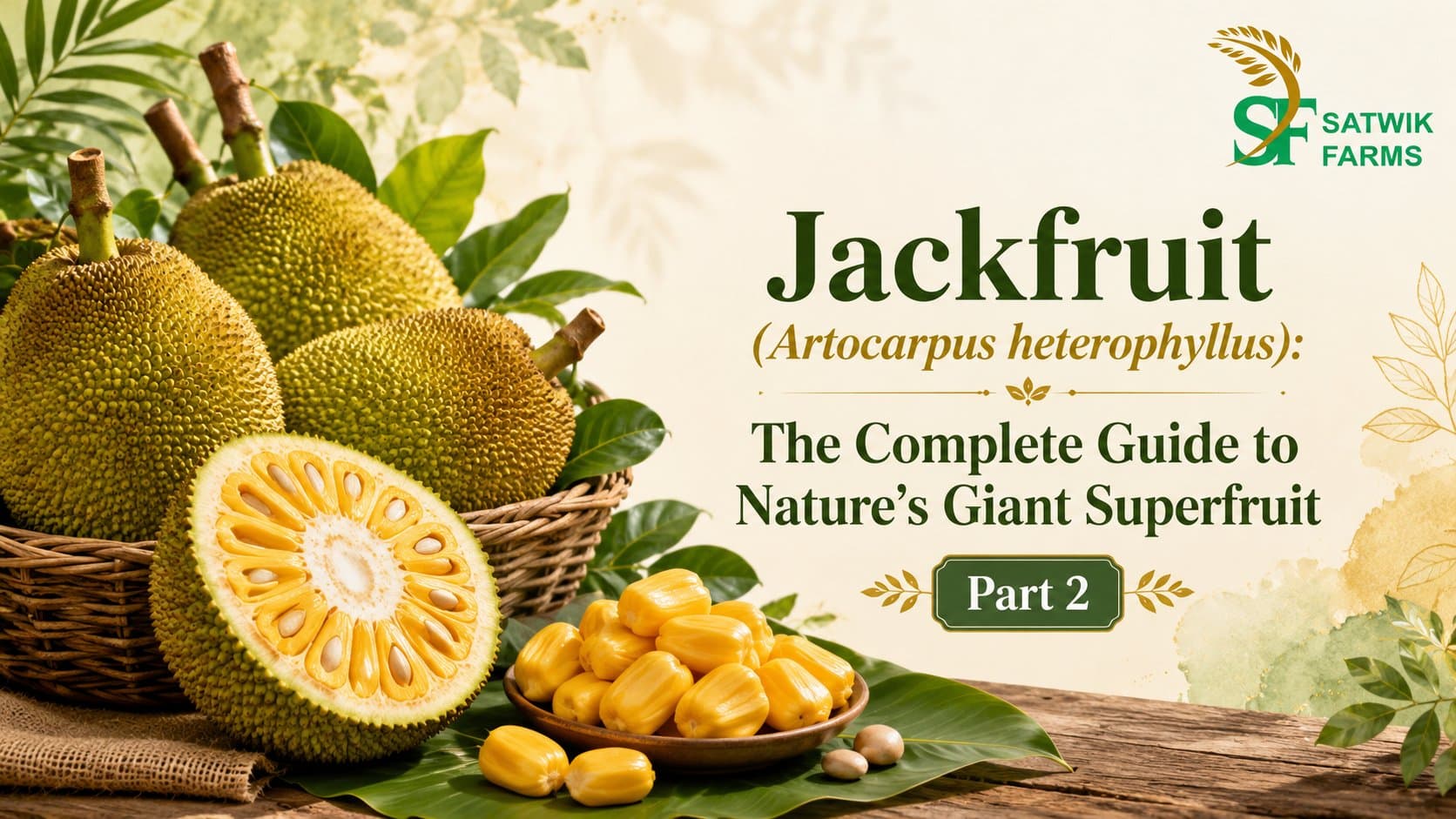
In Part 1 we saw that raw and ripe jackfruit are almost two different foods — one a fibrous, low-sugar vegetable, the other a sweet, energy-rich fruit. That distinction matters enormously for health, and it runs through every section below.
This is Part 2 of our four-part jackfruit guide. Also read Part 1 — Nutrition & Raw vs Ripe, Part 3 — How to Eat It and Part 4 — Ayurveda & Satwik Living.
Jackfruit as a Functional Food
A functional food offers benefits beyond basic nutrition. Jackfruit qualifies through its combination of polyphenols, flavonoids, carotenoids (including lutein and zeaxanthin, best known for supporting eye health), vitamin C, potassium, dietary fibre, plant sterols and — especially in the raw fruit — resistant starch. Together these compounds contribute antioxidant activity, support healthy digestion and help protect cells from oxidative stress.
1. Blood Sugar & Diabetes — Form Matters Most
Raw (green) jackfruit contains higher fibre, more resistant starch and far less sugar than the ripe fruit, giving it a lower glycaemic load. Studies suggest that when cooked raw jackfruit replaces refined carbohydrates such as white rice or refined flour, it may help reduce post-meal blood glucose spikes. Its resistant starch also feeds beneficial gut bacteria, which researchers are studying for a possible role in improving insulin sensitivity.
Practical advice for the raw fruit:
- Choose cooked (not fried) preparations.
- Pair it with dals, pulses or tofu for a balanced meal.
- Keep portions moderate and monitor blood glucose — individual responses vary.
Ripe jackfruit contains considerably more natural sugar. People with diabetes need not avoid it completely, but portions matter: about 80–100 g at a time, preferably as part of a meal rather than on an empty stomach, and not alongside other sugary foods.
Important: jackfruit is not a treatment for diabetes and is never a substitute for prescribed medication or medical care. It is one useful tool within a balanced diet — our glycemic index guide explains why fibre-rich, resistant-starch foods behave differently from refined carbohydrates.
2. Weight Management
Cooked raw jackfruit is rich in fibre, low in fat and filling due to its bulk — qualities that increase satiety and can reduce overall calorie intake when it replaces energy-dense processed foods.
Ripe jackfruit is nutritious but energy-rich because of its natural sugars: moderate portions fit well into a healthy diet, while excessive intake can contribute to excess calories. No single food causes weight loss or weight gain on its own — overall calorie balance and lifestyle decide.
3. Heart Health & Blood Pressure
Several jackfruit nutrients are associated with cardiovascular wellness:
- Potassium (~448 mg per 100 g) helps the body maintain normal blood pressure by balancing the effects of sodium and supporting healthy muscle and nerve function. Jackfruit is also naturally low in sodium.
- Soluble fibre may help lower LDL ("bad") cholesterol as part of an overall heart-healthy diet.
- Vitamin C and polyphenols help protect blood vessels from the oxidative stress involved in atherosclerosis.
A potassium-rich diet is generally recommended for many people with hypertension — unless restricted by a healthcare professional, for example in advanced kidney disease (see the precautions in Part 3). And as always, jackfruit should complement, never replace, prescribed blood-pressure treatment.
4. A Supportive Food for Fatty Liver
Non-alcoholic fatty liver disease is strongly associated with insulin resistance, obesity and refined-carbohydrate-heavy diets. Replacing refined carbs with fibre-rich foods — vegetables, legumes and cooked raw jackfruit — may support overall metabolic health, while jackfruit's antioxidants may help reduce oxidative stress.
No food alone can reverse fatty liver. Lasting improvement rests on weight management, regular physical activity, limiting ultra-processed foods and added sugars, and a balanced plant-rich diet — the approach we detail in our holistic fatty liver guide.
5. Digestion, Gut Health & Regularity
The fibre in jackfruit adds bulk to stools and supports regular bowel movements, which may help ease mild constipation — drink enough water for the fibre to do its job. (Persistent or severe constipation always needs medical evaluation.)
Beyond regularity, the resistant starch in raw jackfruit acts as a prebiotic, nourishing the beneficial gut bacteria that support digestion, immune function and metabolic health.
Practical tips from both tradition and science:
- Chew thoroughly and avoid overeating — jackfruit is a filling, relatively heavy food.
- When cooking, add digestive spices such as cumin, ginger or black pepper.
- If your digestion is weak, start with smaller portions.
6. Immunity, Skin & Eyes
Ripe jackfruit's vitamin C supports immune cell function, collagen production and wound healing. Its carotenoids — including lutein and zeaxanthin — are the same pigments concentrated in the human retina, where they help protect eye tissue from oxidative damage. These nutrients support normal immunity and healthy skin and eyes; they don't guarantee protection against illness — and a healthy complexion still depends on overall nutrition, hydration, sleep and sun protection, not any single food.
7. Bones & Hair — Supporting Roles
Jackfruit contributes magnesium, calcium and potassium, minerals that support healthy bones alongside adequate vitamin D, protein and regular weight-bearing exercise (a daily walk counts — see our walking guide). Similarly, its vitamins and minerals feed into the overall nutrition that healthy hair growth depends on — but jackfruit is one part of a balanced diet, not a treatment for hair loss.
Jackfruit and Thyroid — Clearing Up a Common Worry
A frequently asked question, so let's be direct: there is no strong scientific evidence that jackfruit adversely affects thyroid function. Cooked raw jackfruit is not known to have clinically significant goitrogenic effects comparable to certain raw cruciferous vegetables, and people with hypothyroidism can generally enjoy jackfruit as part of a varied diet.
If you take thyroid medication, the usual rules still apply: take it on an empty stomach as prescribed, keep your eating habits consistent, and discuss major dietary changes with your healthcare provider.
Jackfruit and Cancer — What the Science Actually Says
Research suggests the antioxidants and phytochemicals in jackfruit may help reduce oxidative stress, a factor involved in the development of many chronic diseases. But honesty matters here: most of this evidence comes from laboratory and animal studies, and no clinical evidence shows that jackfruit prevents or cures cancer. Health organisations consistently recommend a wide variety of fruits and vegetables rather than reliance on any single "superfood" — jackfruit earns its place within that variety, nothing more and nothing less.
Jackfruit During Pregnancy
Contrary to some folk cautions, fresh jackfruit can be a nutritious addition to a pregnancy diet in moderation, providing vitamin C, potassium, small amounts of folate, fibre and natural energy. Its fibre may even help with constipation, a common pregnancy concern.
Sensible precautions: choose fresh, hygienically prepared fruit; scale back if it causes bloating; and follow the individualised advice of your healthcare provider, especially in a high-risk pregnancy.
Traditional Uses in Folk Medicine
Across South and Southeast Asia, different parts of the jackfruit tree have traditionally been used to support digestion, nourishment during recovery, general strength, seasonal wellness and skin health. These uses reflect generations of cultural knowledge — modern research supports some of them, but not all have been confirmed in large clinical trials. We explore the Ayurvedic view in depth in Part 4.
Who Benefits Most from Jackfruit?
As part of a balanced diet, jackfruit may be particularly useful for:
- Growing children (ripe fruit, in moderation)
- Athletes and physically active individuals — ripe jackfruit's easily digestible carbohydrates, potassium and water content make it a useful snack around moderate exercise
- Vegetarians and vegans (raw jackfruit in savoury dishes, seeds for extra protein)
- Older adults seeking fibre-rich foods — ripe bulbs are also easier to chew than raw preparations
- Anyone replacing ultra-processed foods with whole plant foods
How Strong Is the Evidence?
An honest summary: the fibre, potassium and vitamin benefits rest on well-established nutrition science. The more specific findings — raw jackfruit and post-meal glucose, anti-inflammatory phytochemicals, prebiotic effects — come from promising but still-developing research, much of it laboratory-based or in small human studies. Jackfruit is best viewed as a genuinely nutritious food that supports health, not a medicine that treats disease.
Continue reading: Part 3 — How to Eat Jackfruit: Daily Amount, Best Time, Recipes & Precautions
This article is for general educational purposes only and is not a substitute for professional medical advice, diagnosis or treatment. If you have an existing medical condition (especially diabetes, heart disease, kidney disease, liver disease or a thyroid disorder), or are taking any medication, or are pregnant or breastfeeding, please consult your healthcare provider before making significant changes to your diet.
Related Reading
If you found this helpful, you may also like: